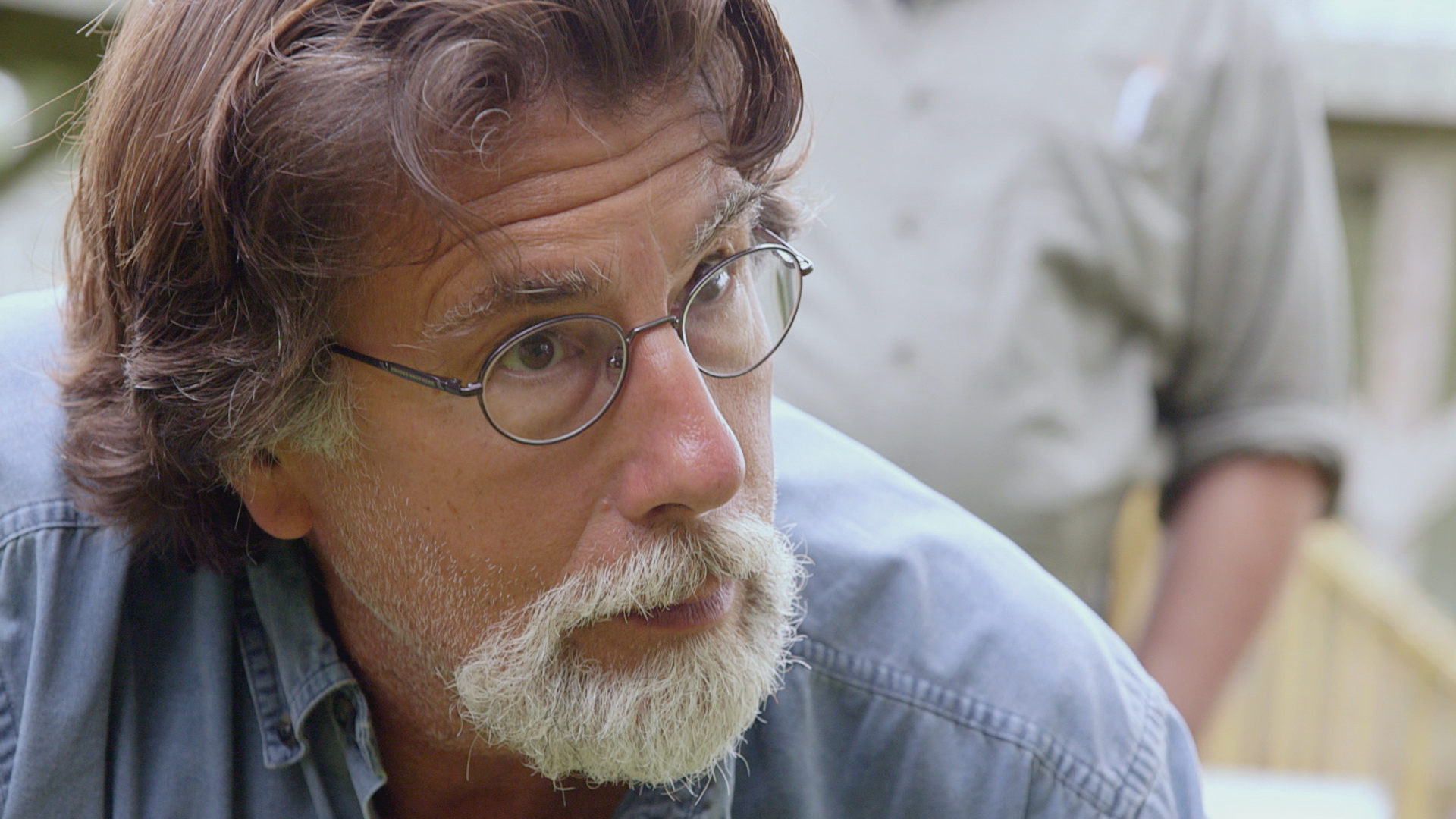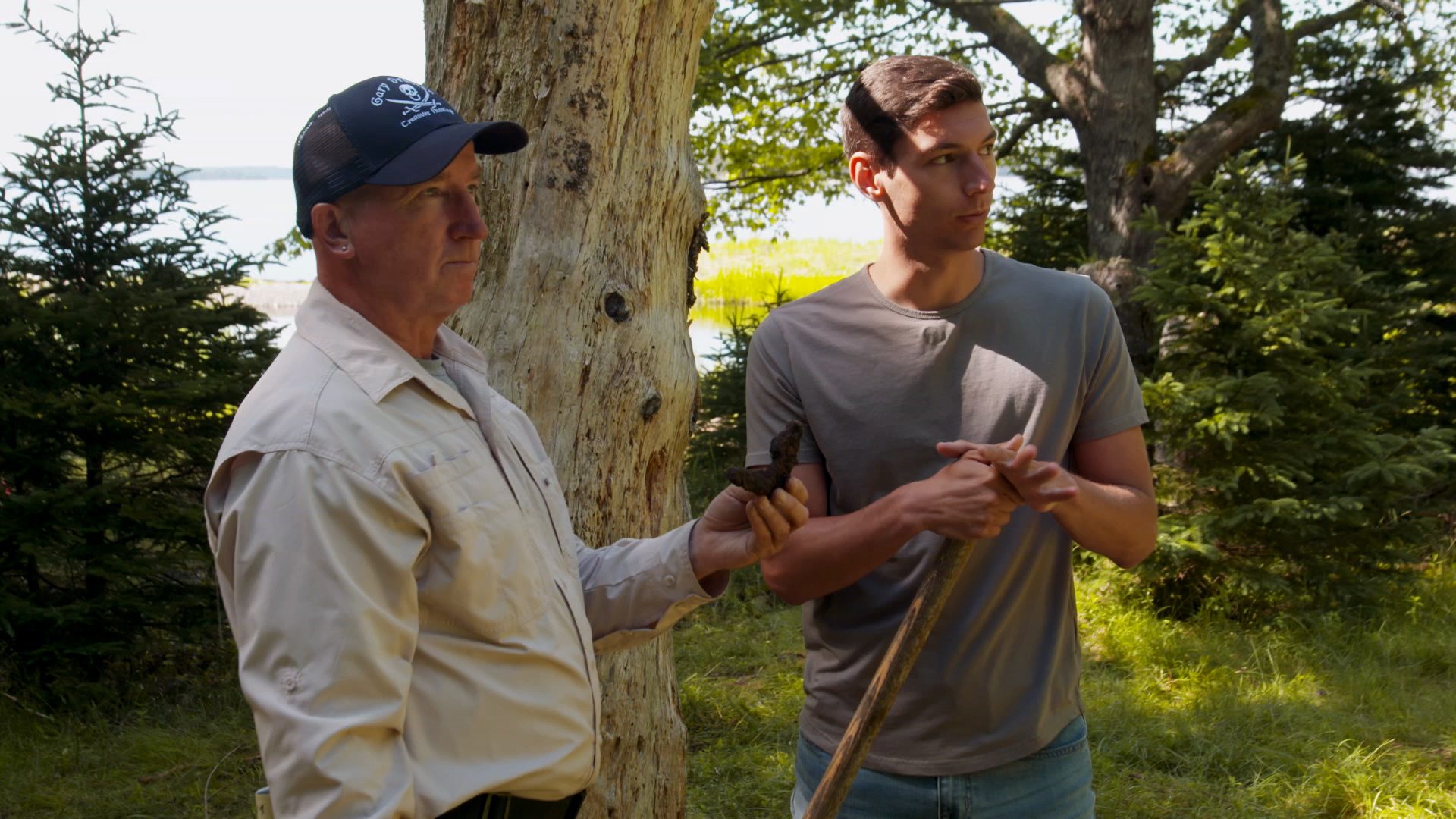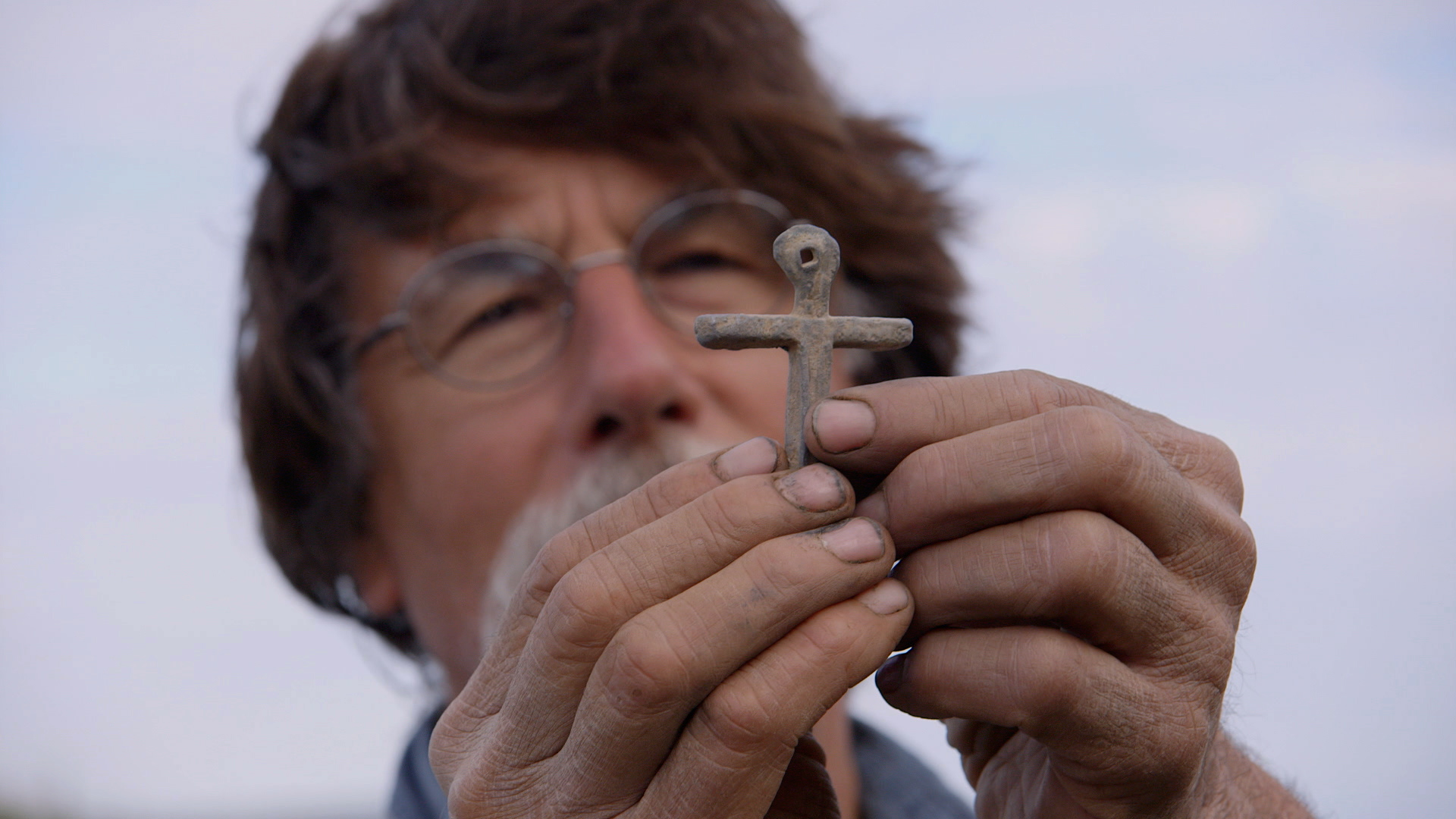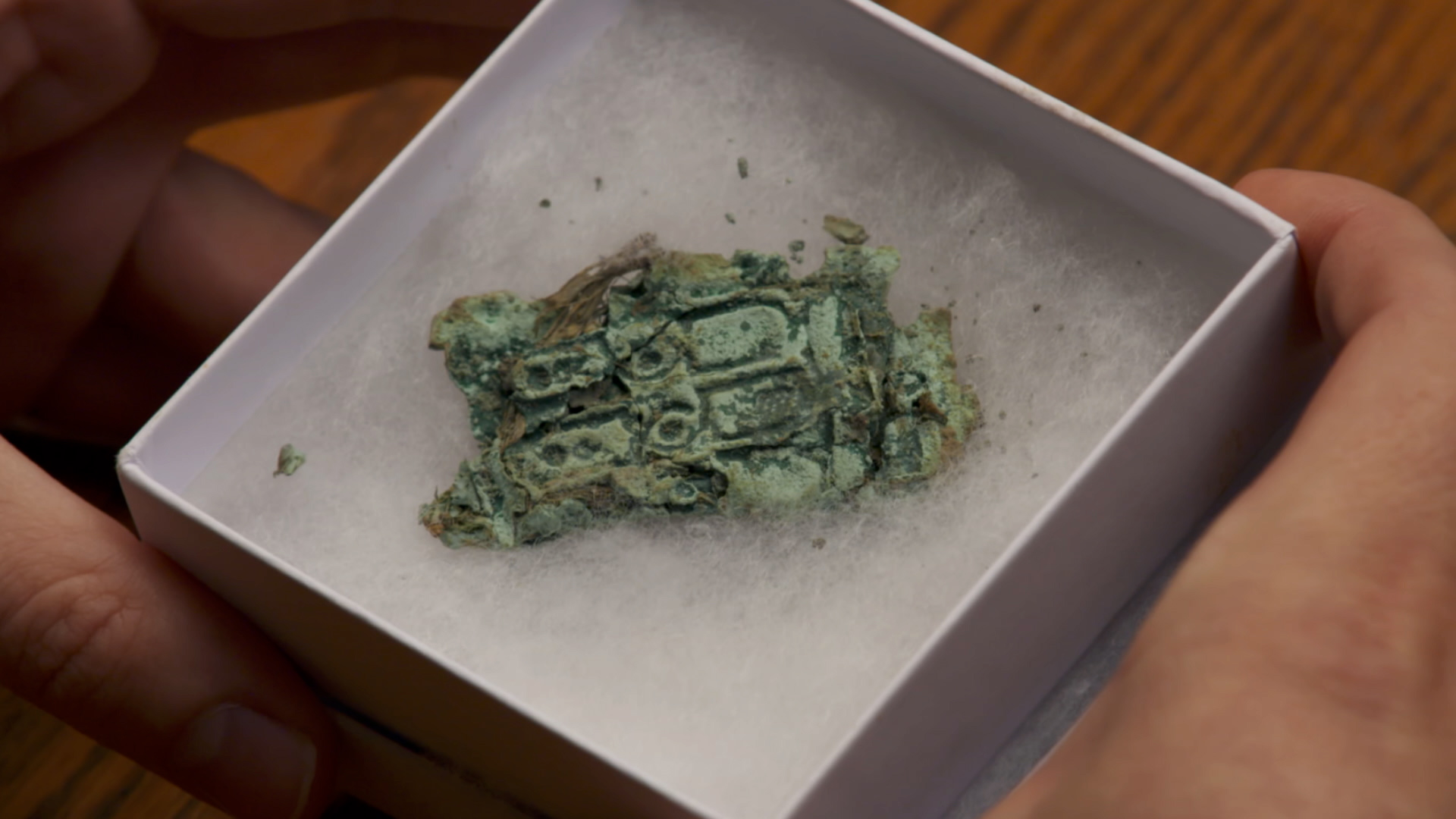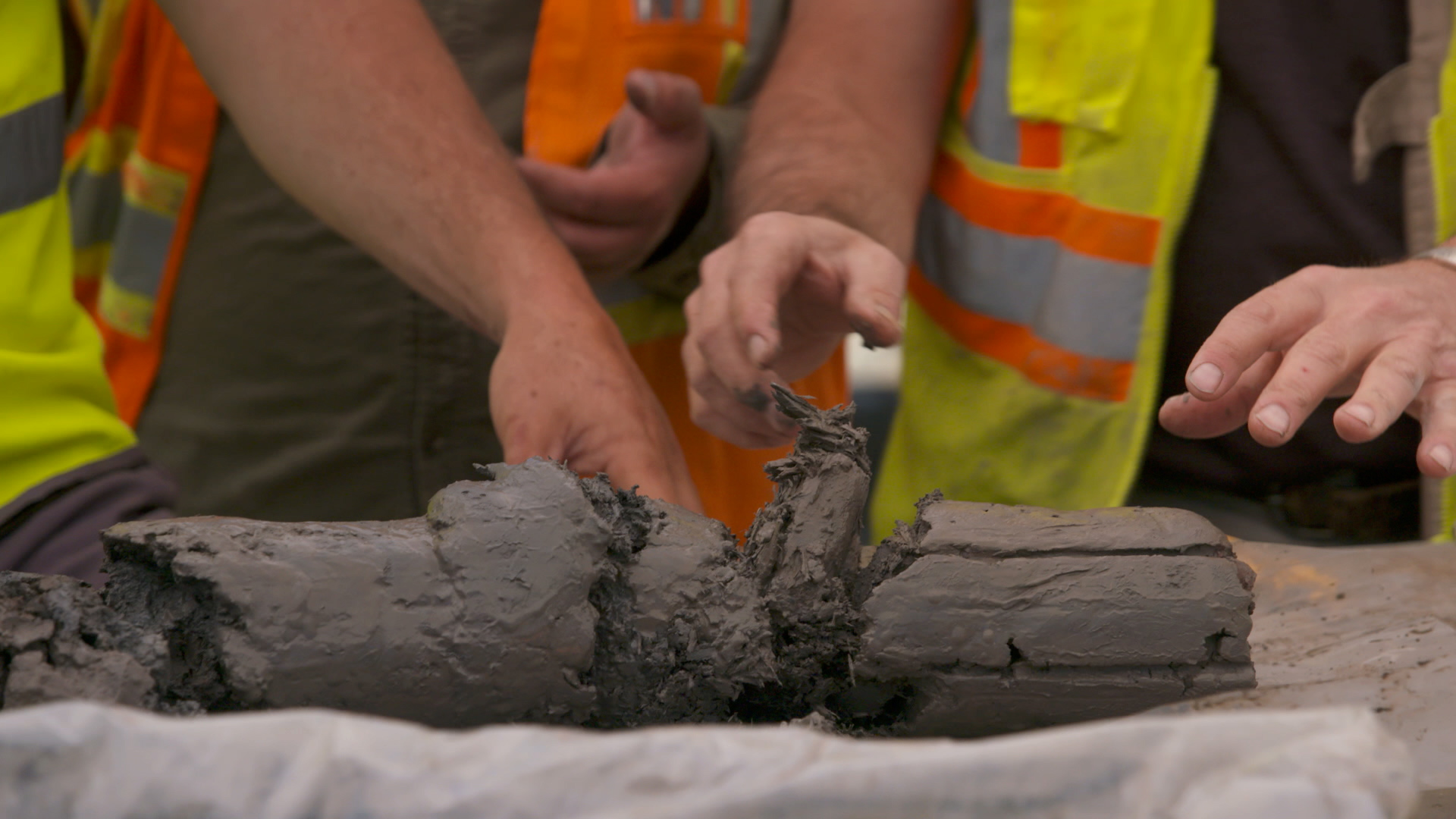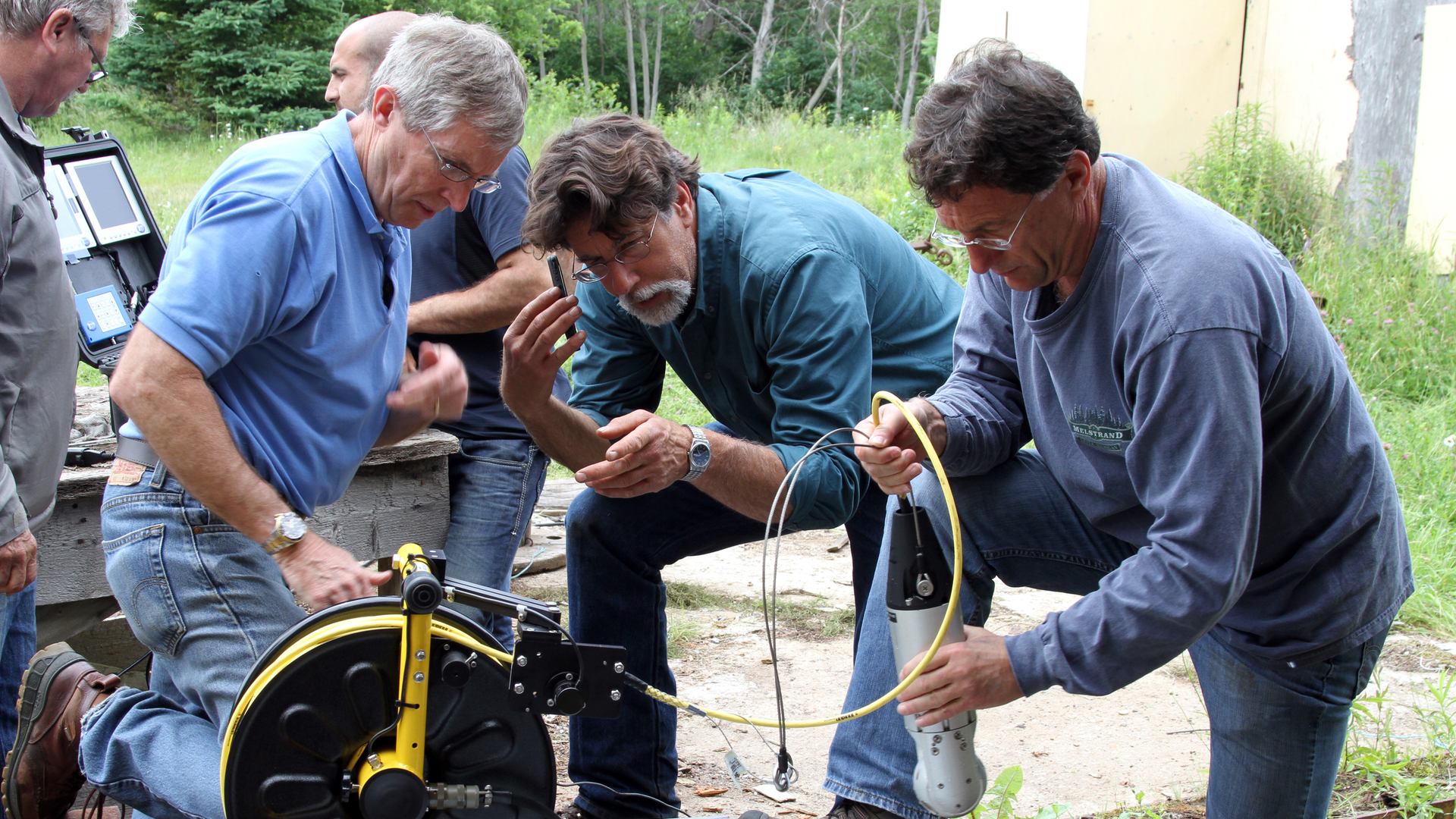
You know, I was watching an episode of The Curse of Oak Island the other day, and they were digging again. Hundreds of feet down, in the swamp, in the ‘Money Pit’ area (spoiler alert: it’s never made them any money, has it?), and Gary Drayton found… another bit of metal. Excitement built, the cameras zoomed in, Rick and Marty squinted with that familiar blend of hope and bewilderment, and then… it was just a bit of rusty iron. Again. It reminded me of a time I spent hours trying to find my car keys, convinced they’d magically teleported to another dimension. After turning the house upside down, I found them… in my hand. Sometimes, you’re just so invested in the idea of something that you can’t see the obvious answer staring you right in the face. And I’m starting to think that’s where we, and more importantly, the Laginas, are with Oak Island.
It’s time. It’s really, truly time to hang up the divining rods, put down the metal detectors, and admit that maybe, just maybe, the treasure on Oak Island isn't what we've all been led to believe. Or, more accurately, what we’ve been hoping it’s been for the last six seasons (and counting!).
Now, before you go sharpening your pitchforks and readying your angry comments, hear me out. I'm not saying there isn't anything interesting on Oak Island. There probably are some fascinating historical tidbits buried beneath the surface, some remnants of past lives and endeavors. But the grand, legendary treasure? The Knights Templar gold? The Shakespearean manuscripts? The Ark of the Covenant itself, probably? Yeah, I think it’s time to gently, and with a heavy sigh, let that dream go.
The Siren Song of the Unknown
Why are we so hooked, though? What is it about Oak Island that captures our imaginations so fiercely? It’s the ultimate treasure hunt, isn’t it? The allure of the unknown, the promise of a life-changing discovery, the sheer audacity of the theories that have been spun over the centuries. It’s like a real-life Da Vinci Code, but with more mud and less actual code.
And let’s be honest, the show itself is a masterclass in building suspense. They dangle these tantalizing clues – a mysterious symbol here, an odd piece of wood there, a vague historical reference that could mean absolutely anything. Then, they drill, they dig, they bring in experts who offer theories that sound incredibly plausible until the next season rolls around and a new theory emerges that makes the old one seem… well, a bit daft.
We’ve seen them pull up oak logs that are supposedly thousands of years old (or at least, very old pieces of wood), bits of pottery that could be from ancient civilizations or from a picnic last Tuesday, and enough lead seals to build a small, incredibly depressing sculpture. Each discovery, no matter how mundane, is presented as potentially revolutionary. “This could be it!” they exclaim, their voices filled with the kind of awe usually reserved for spotting a unicorn wearing a diamond necklace.

The Relentless Cycle of Hope and Disappointment
It’s this cycle, you see. Hope, followed by a period of intense investigation, followed by… anticlimax. And then, the cycle begins again. We, the viewers, are caught in this perpetual loop of anticipation. We want them to find something amazing. We’ve invested our time, our attention, and for many, our emotional investment. We’ve learned the names of the regulars: Rick, Marty, Gary, Jack, Craig. We’ve cheered when they’ve found something that looks slightly interesting, and we’ve collectively groaned when another promising lead has dissolved into thin air.
Think about the years they’ve been at it. Decades, really, if you count the history before the show. They’ve spent fortunes. They’ve brought in some of the brightest minds to analyze soil samples, decipher historical texts, and use technology that would make James Bond blush. And what’s the tangible result? A lot of holes, a lot of theories, and a lingering question mark the size of Nova Scotia.
It’s like that friend who’s always convinced they’re about to make it big. They’ve got a new business idea, a revolutionary app, a guaranteed winning lottery ticket strategy. You root for them, you really do. But after a while, when the promises remain unfulfilled and the excuses start to pile up, you begin to gently temper your expectations. You still care, but you also start to prepare for the inevitable.
The Evolution of ‘Treasure’
Perhaps the biggest reason we need to let go is because the definition of ‘treasure’ itself has become so… nebulous. In the early days, it was gold doubloons, pirate chests, jewels. Now, it feels like a really old nail is considered a significant find. We’ve shifted from tangible riches to the ‘treasure’ of historical knowledge. Which, don’t get me wrong, is valuable. But it’s not exactly going to fund a new yacht, is it?
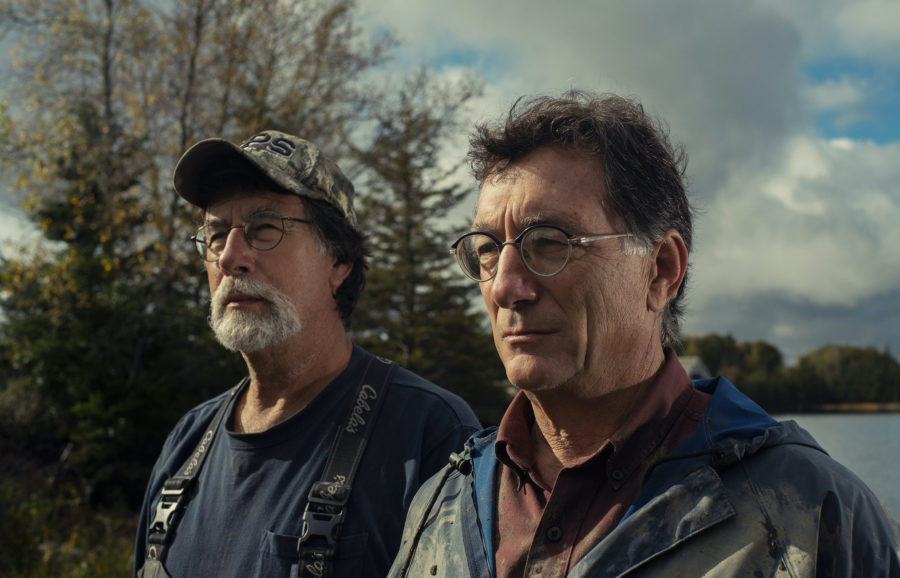
And the theories! Oh, the theories. From Sir Francis Bacon hiding the works of Shakespeare, to the Knights Templar burying their loot, to Cleopatra’s escape route. Each one is more elaborate than the last, and each one requires a series of leaps of faith that would make an Olympic gymnast proud. It’s a testament to human ingenuity, I suppose, the ability to connect seemingly disparate pieces of information and weave them into a compelling narrative. But is it reality?
The ‘Curse’ Itself: A Convenient Narrative?
Let’s talk about the ‘curse.’ It’s a brilliant narrative device, isn’t it? It explains away all the failures. Any accident, any setback, any lack of discovery? Oh, it’s the curse! It’s the mysterious force that prevents man from unearthing the island’s secrets. It’s the ultimate get-out-of-jail-free card for prolonged failure.
But if we're being honest, the biggest curse on Oak Island might just be our own unwavering optimism. The belief that this time, this drill, this artifact will be the one to unlock everything. It’s a self-imposed curse, fueled by the desire for a grand finale.
Think about it this way: if there was a genuinely significant, easily discoverable treasure, wouldn't someone, somewhere, by now, have stumbled upon it? Oak Island has been poked, prodded, and excavated for longer than some countries have existed. It feels like if there was a massive hoard of gold just waiting to be found, it would have been discovered during one of those massive, unfocused digs of the past, or even by a keen-eyed tourist with a metal detector and a good sense of humor.
The Economic Reality
Let’s not forget the elephant in the room: money. This show, and the entire Oak Island operation, is a massive undertaking. Millions are spent every year. While the show itself is undoubtedly a financial success, the actual treasure hunting aspect seems to be less so. Marty Lagina, bless his pragmatic heart, often talks about the need for a return on investment. But where is it? What has been the tangible economic benefit of all this digging?
The ‘treasure’ they’ve found has, at best, generated a lot of historical interest and a few museum exhibits. It hasn’t exactly paid for itself. If this were any other business, with this kind of expenditure and this little return, it would have been shut down years ago. But because it’s Oak Island, and because there’s a compelling television show, the money keeps flowing, and the digging continues.
It’s like those endless crowdfunding campaigns for projects that never seem to materialize. You donate, you hope, and then… crickets. Eventually, you realize your money might have been better spent on a really nice pizza.
The Legacy of the Search
So, what is the real legacy of Oak Island? Is it the lost treasure? Or is it the enduring human spirit of exploration and curiosity? Is it the intricate tapestry of theories, or the sheer, unadulterated, and perhaps, slightly misguided, pursuit of a dream?
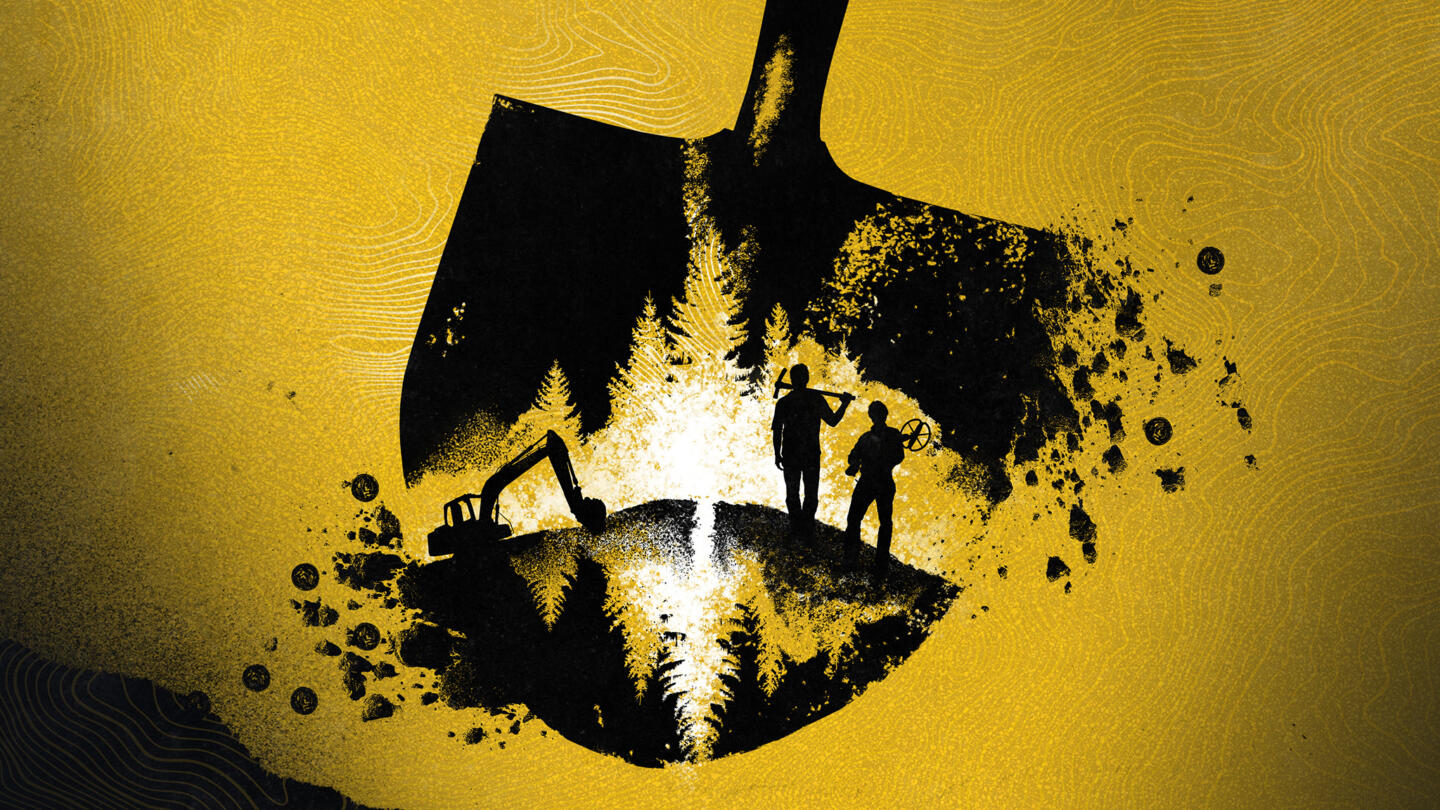
I think, in a way, the treasure has been found, just not in the way we expected. The treasure is the journey. It’s the camaraderie of the team, the shared passion, the willingness to keep looking, even when all logic dictates otherwise. It’s the stories, the legends, the sheer persistence that has captivated an audience for so long.
But that doesn’t mean we need to keep digging endlessly, does it? We can appreciate the journey without needing a definitive, world-altering discovery at the end of it. We can celebrate the history that is uncovered, the small insights into past lives, the fascinating geological formations. But we can also acknowledge that the grand prize, the motherlode, the mythical treasure, is likely just that: a myth.
Imagine the relief, in a way, for the Laginas and the team. No more pressure. No more agonizing over every cryptic clue. They can simply enjoy the island, perhaps focus on the historical research, and let the legend of the treasure remain a legend. They’ve given us years of entertainment, a fantastic diversion from the everyday. And for that, we should be grateful.
It’s time to acknowledge that the greatest treasure on Oak Island might just be the story itself. And sometimes, the most satisfying ending is not finding the treasure, but realizing the journey was the real prize all along. Now, if you’ll excuse me, I need to go check my pockets for those car keys.