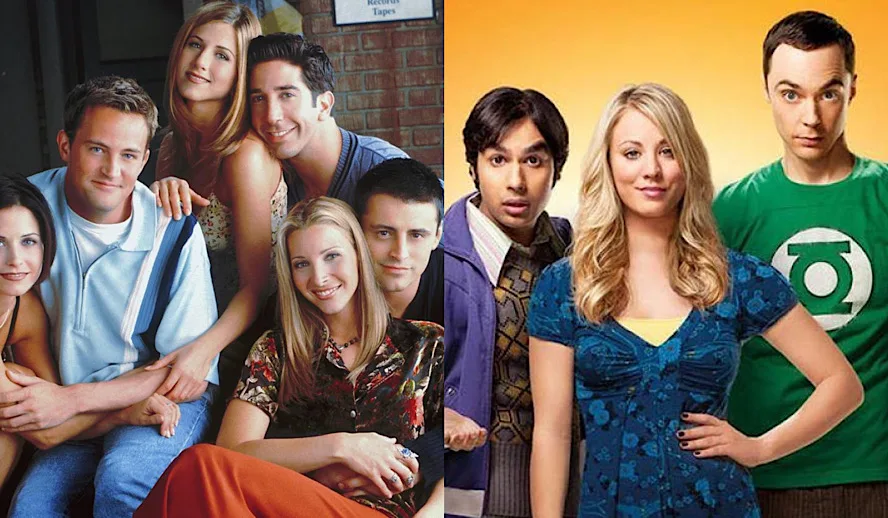
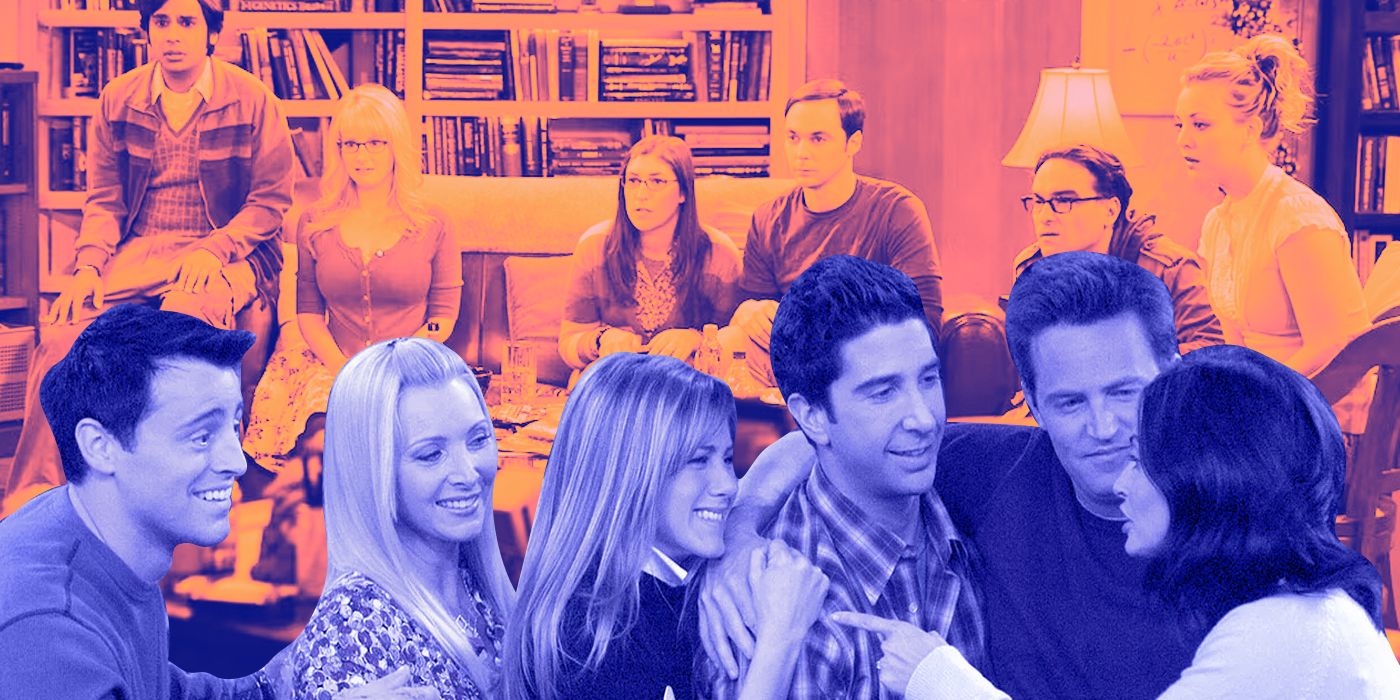
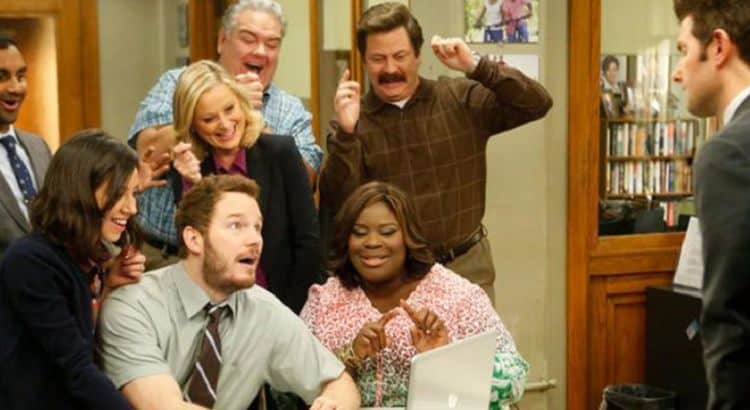
Alright, gather 'round, folks. Let's have a little chat, shall we? Picture this: you're settled on the couch, popcorn at the ready, prepared for an evening of comedic brilliance. Then it happens. Someone delivers a perfectly decent, albeit perhaps mildly amusing, line. And BAM! The audience, a phantom chorus of mirth, erupts in a tidal wave of laughter. But here’s the thing, and I’m just going to say it out loud: we're over the laugh track. It’s time to send that canned chuckle into the great beyond, right next to dial-up internet and shoulder pads the size of small planets.
Seriously, have you ever stopped to think about it? That jarring "HA-HA-HA!" that swoops in like a poorly timed seagull at a picnic? It’s not just annoying; it’s… well, it’s kind of insulting to our intelligence. It’s like someone nudging you and whispering, "Psst! This is where you're supposed to laugh!" We're adults, people. We can detect humor on our own, thank you very much. We don't need a sonic foghorn to tell us when a joke has landed. Unless, of course, the joke involves a pie to the face. In that case, a little "Oof!" followed by a sustained guffaw is acceptable.
Remember the good old days? Okay, maybe not good old days, but let's say, the slightly less digitized days. Sitcoms used to be recorded in front of a live studio audience. You’d get genuine reactions, awkward silences when a joke bombed spectacularly (which, let’s be honest, is sometimes funnier than the joke itself), and the occasional heckle. It was raw, it was real, and it felt… alive. Now? It often feels like we're watching a meticulously edited diorama of human interaction, complete with a soundtrack of manufactured glee.
And let's talk about the types of laughter. There's the polite titter, the hearty guffaw, the snort-laugh that embarrasses everyone within earshot, and the silent, internal chuckle that just makes you smile. The laugh track, however, offers a one-size-fits-all solution. It’s the beige of comedic sound effects. It's the elevator music of human emotion. It’s the generic brand of chuckles, and frankly, our entertainment deserves better.
The truth is, the laugh track has become a crutch. Writers might be tempted to churn out less polished jokes, knowing that the canned laughter will smooth over any rough edges. It’s like a culinary shortcut; why spend hours perfecting a sauce when you can just… well, you know. And as viewers, we're constantly being conditioned to expect this sonic cue. It’s a Pavlovian response that’s frankly a bit creepy. Ding! Laugh. Ding! Laugh. Soon we'll be salivating every time a character opens their mouth.

Here's a fun fact for you: the first sitcom to use a laugh track was The Hank McCune Show in 1950. Yes, 1950. That's older than the concept of a remote control. It's older than rock and roll. It's older than… well, you get the idea. We've evolved. Our technology has evolved. Our understanding of storytelling has evolved. Yet, we're still clinging to this relic of a bygone era. It's like showing up to a black-tie gala in a polyester leisure suit. It just doesn't fit anymore.
Think about it from a comedic timing perspective. A well-placed pause can build anticipation. A quick, sharp punchline can deliver a satisfying snap. But when you have a laugh track blasting immediately, it kills that momentum. It’s like trying to do a drum solo with someone constantly tapping you on the shoulder. You can’t get into your groove! And the sheer volume of the laughter can be overwhelming. Sometimes it feels like the audience is trying to drown out the actual dialogue. Are they trying to tell us something? Is the show secretly terrible and they're just trying to cover it up?

The argument for the laugh track, I’m told, is that it mimics the experience of watching a show with a live audience. But does it, though? Does it really? When you’re in a room with other people, you feel their energy. You see their reactions. You might even share a knowing glance with a stranger when a particularly clever bit lands. A canned laugh track doesn't replicate that communal joy. It’s a solitary experience, punctuated by artificial exuberance. It's like attending a party via a grainy webcam feed with a pre-recorded playlist of applause.
The Rise of the Single-Camera Sitcom
And let's not forget the glorious rise of the single-camera sitcom. Shows like The Office, Parks and Recreation, and Modern Family have proven that you can be hilariously funny without a single pre-recorded guffaw. They rely on sharp writing, excellent comedic performances, and the natural rhythm of human interaction. The mockumentary style, in particular, often allows for more subtle, observational humor. The awkward glances, the pregnant pauses, the stifled giggles – these are the things that make us feel like we're part of the scene, not just passive observers being told when to react.
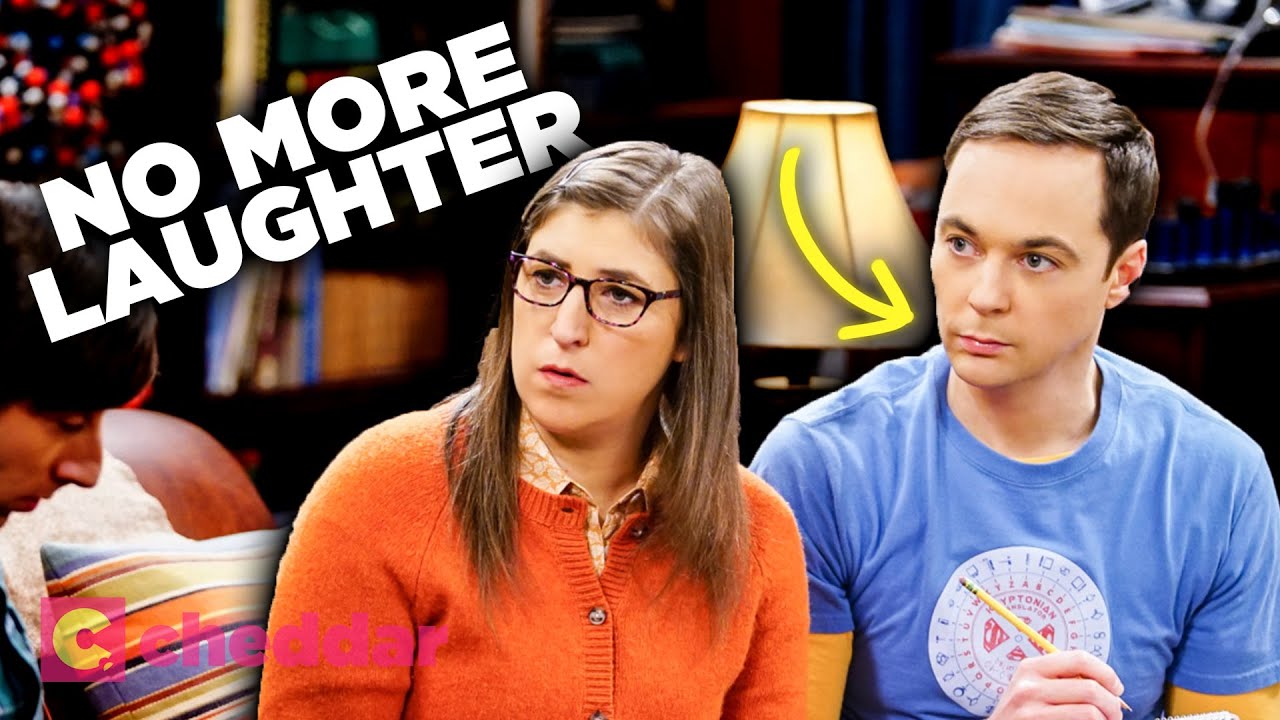
These shows have demonstrated that humor can be found in the quiet moments, in the subtle nuances of character, and in the sheer absurdity of everyday life. They don't need a sonic guide to tell us when to feel something. They trust us, the audience, to pick up on the comedic cues. And you know what? It works. It works wonderfully. It creates a more immersive and believable viewing experience. It feels genuine. It feels… human.
The Future of Funny
So, what's the solution? Simple. Just stop it. Let the jokes breathe. Let the actors shine. Trust your audience to know when something is funny. Embrace the awkward silences, the genuine gasps, and yes, even the occasional real bombed joke. That’s what makes comedy, well, comedy. It’s messy, it’s unpredictable, and it’s ultimately more rewarding when it’s not pre-packaged for us.
Imagine a world where every sitcom dialogue is crystal clear, where every comedic beat is delivered with perfect timing, and where the only sound effects are those that organically enhance the narrative. It's not a utopian dream; it's a achievable reality. It's time to move beyond the tired trope of the laugh track and embrace a more authentic, more engaging form of comedic storytelling. Let's let our own laughter be the soundtrack to our entertainment. Our funny bones, and our eardrums, will thank us.