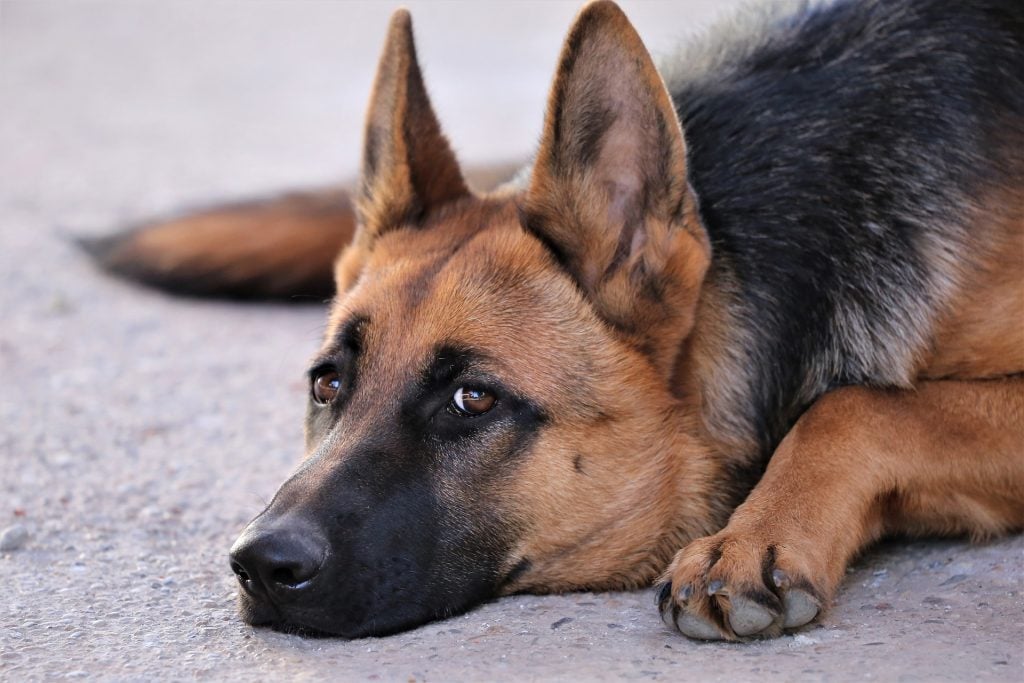
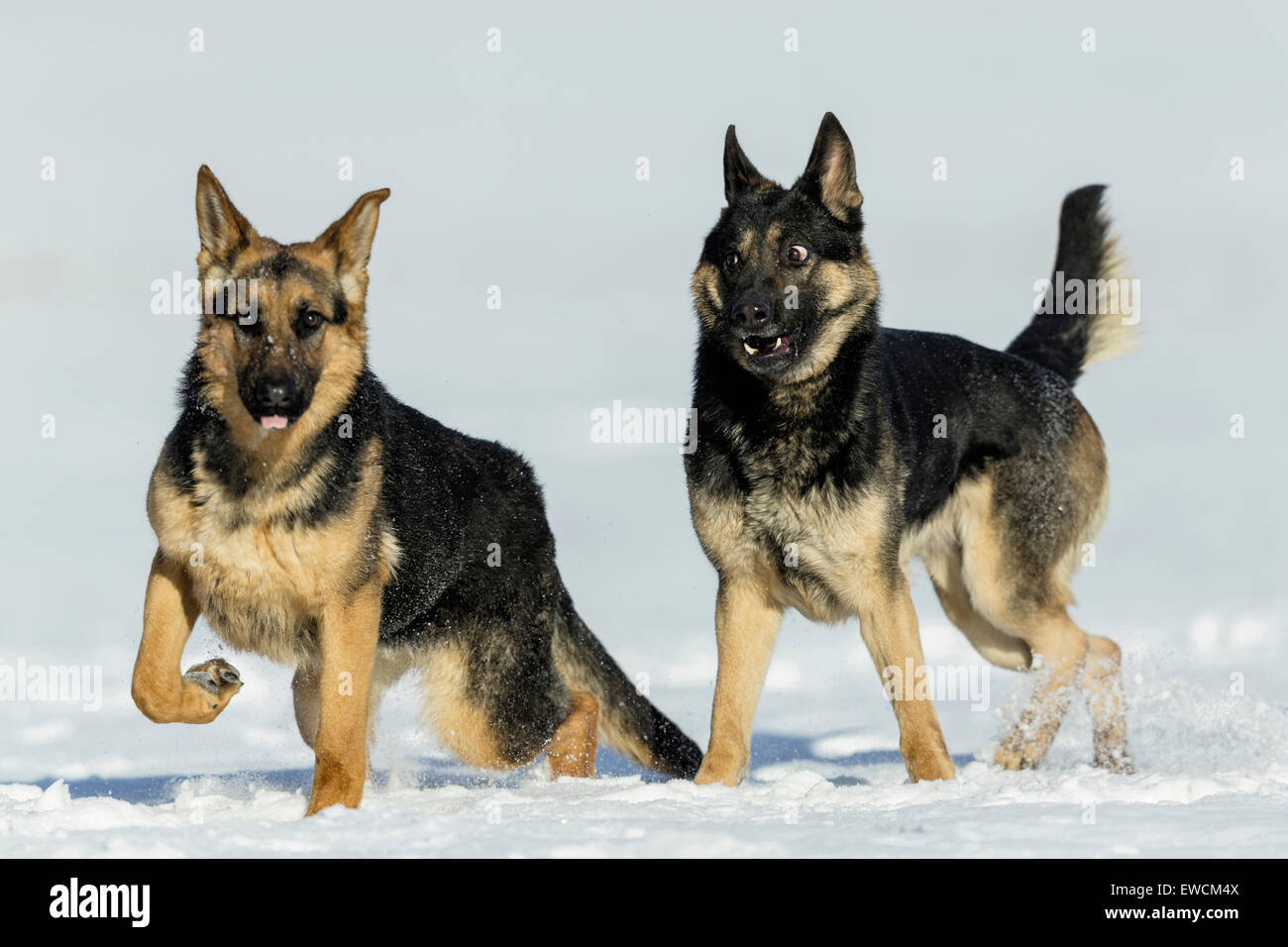
Hey there, fellow dog lovers! Ever seen a dog that looks like it stepped right out of a superhero movie? Big, majestic, and with a gaze that could melt glaciers (or at least get you to share your snacks)? Chances are, you’ve encountered an Alsatian. Now, before you start picturing someone from Alsace, France, with a very particular breed of dog, let’s clear something up! The term “Alsatian” is actually just another name for a breed that many of us know and love by a different moniker. Yep, it’s a bit of a canine identity crisis, and it's actually pretty darn interesting!
So, what exactly are Alsatians? Drumroll, please… they are, in fact, German Shepherds! Mind blown? Mine too, the first time I heard it. It’s like your favorite band suddenly deciding to go by a slightly different, more mysterious stage name. The reason behind this dual identity is a bit of history, a dash of wartime sentiment, and a whole lot of excellent dog breeding.
Back in the day, particularly during World War I and World War II, dogs of German origin faced a bit of… well, a PR problem. To avoid any negative associations with the enemy, many countries, especially the UK and its Commonwealth nations, decided to rebrand these magnificent creatures. And what better, more neutral-sounding name than “Alsatian”? It sounds sophisticated, right? Like they might own a little vineyard in the French countryside, even though their ancestors were probably busy herding sheep in the German mountains. Talk about a name change with a purpose!
A Little Trip Down Memory Lane (Doggy Edition!)
To really get our heads around the “Alsatian” thing, we need to rewind a bit. The German Shepherd Dog (GSD) as we know it today was developed in Germany in the late 19th century. A chap named Captain Max von Stephanitz is often credited as the father of the breed. His goal? To create the ultimate herding dog – intelligent, agile, strong, and incredibly loyal. He wasn’t just looking for any old sheepdog; he wanted a dog that could think for itself, handle tough terrain, and be a true partner to its shepherd.
And boy, did he succeed! These dogs were bred for their brains and their brawn. They were quick learners, excellent problem-solvers, and had the stamina of a marathon runner. It’s no wonder they quickly caught the eye of people beyond the sheep farms. Their intelligence and trainability made them perfect for all sorts of jobs.
From Sheepdog to Superstar (and Everything In Between!)
Now, let’s fast forward to when these amazing dogs started making their way around the globe. As they became popular, their working abilities shone through. Think police dogs, search and rescue dogs, guide dogs for the visually impaired, and even military dogs. They’re like the Swiss Army knives of the canine world, but with fur and a wagging tail!
Their intelligence means they can learn complex commands and tasks. Their loyalty makes them incredibly devoted to their families. Their protective instincts (when properly channeled and trained, of course!) make them excellent watchdogs. And their sheer athleticism? Well, they can probably outrun you to the biscuit tin any day of the week!
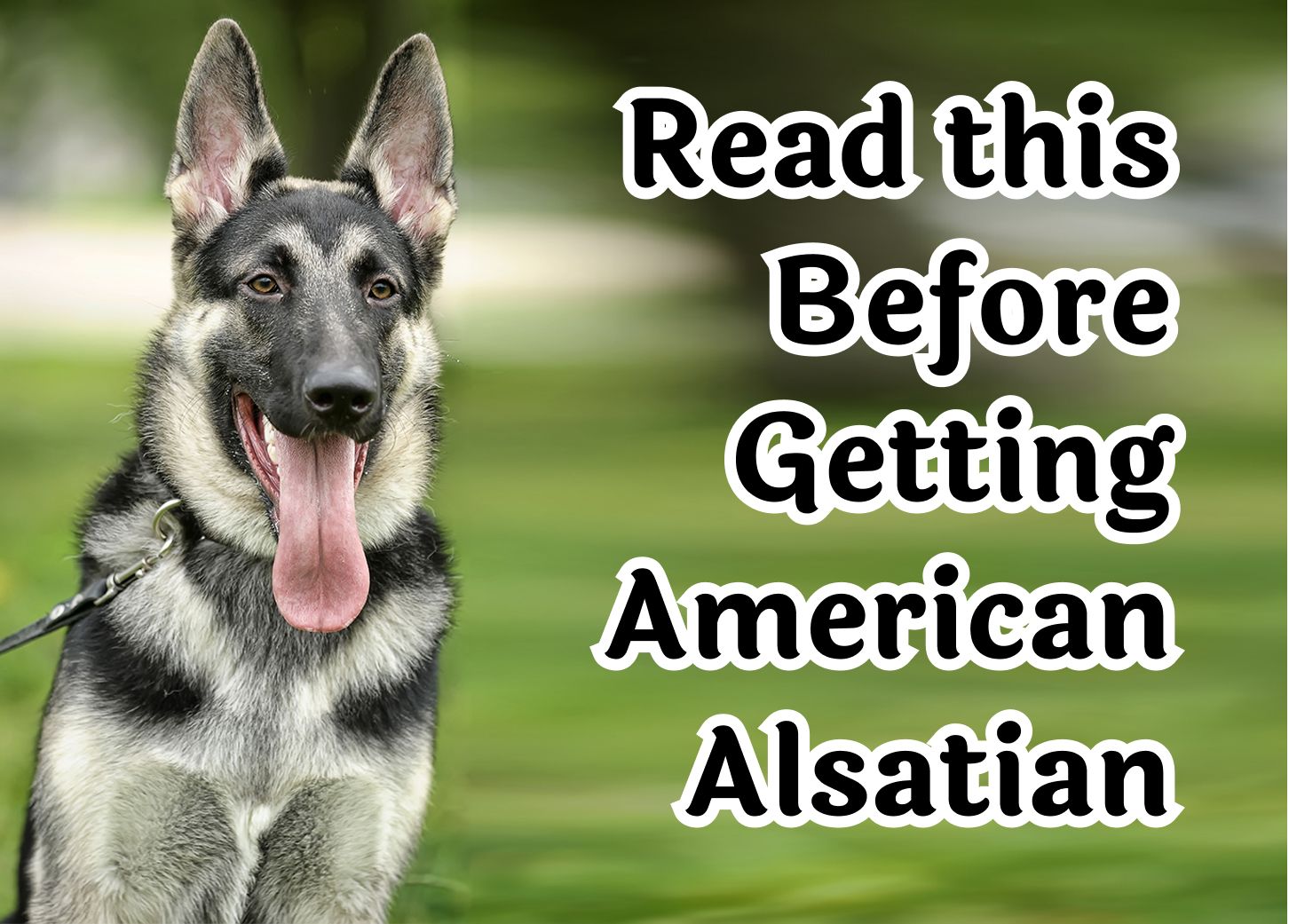
So, when these dogs started arriving in places like Britain, and the political climate was… shall we say… tense, the decision was made. To avoid any… awkwardness… at dog shows and in everyday conversation, they became “Alsatians.” It was a clever way to keep the breed’s reputation sterling, even if it meant a little bit of a name change. It’s like changing your outfit before a big party – you still want to look your best, right?
So, Alsatian vs. German Shepherd: What’s the Deal?
Here’s the simplest way to put it: An Alsatian IS a German Shepherd. It’s the same breed, with the same history, the same characteristics, and the same amazing potential. The only difference is the name. Think of it like this: if you call a fizzy drink a “soda” or a “pop,” it’s still the same delicious beverage. It’s just a regional or historical preference in terminology.
In some parts of the world, particularly the UK and some Commonwealth countries, the name “Alsatian” stuck for a long time. It became deeply ingrained in how people referred to the breed. However, as time went on and international communication became easier, the original name, “German Shepherd Dog,” gained more traction globally. Today, you’ll hear both terms used, but “German Shepherd” is the more internationally recognized name.
It’s kind of like how some people call a fluffy slipper a “mule” and others call it a “loafer.” They’re both comfy foot huggers, just with slightly different labels. So, if you meet a dog that looks like a noble, intelligent, and incredibly capable canine with a gorgeous coat, whether you call it an Alsatian or a German Shepherd, you’re talking about the same fantastic dog.

What Makes Them So Special? (Besides Being Adorable!)
Let’s dive a little deeper into what makes these dogs, whether you call them Alsatians or German Shepherds, such a joy to have around (or to admire from afar!).
The Brains of the Operation
German Shepherds are consistently ranked among the most intelligent dog breeds. This isn't just about them knowing “sit” and “stay” (though they master those quickly!). This intelligence means they can grasp complex training, learn new tasks with impressive speed, and even anticipate what you might need. They thrive on mental stimulation, so a bored German Shepherd is probably a mischievous German Shepherd. Think of them as furry little Einsteins who need puzzles and challenges to keep their brilliant minds engaged.
Loyalty That’s Off the Charts
These dogs form incredibly strong bonds with their families. They are fiercely loyal and protective, often seeing themselves as a guardian of their human pack. This loyalty isn’t just about sticking by your side; it’s about wanting to please you and be part of your life. They are often described as a “one-person dog” or a “one-family dog” because their devotion is so profound.
A Built-in Warning System (and a Great Listener!)
Their natural protective instincts make them excellent watchdogs. They’ll often alert you to strangers approaching or unusual sounds. This isn’t usually aggressive barking, but rather a clear signal that something is out of the ordinary. And if you’re having a bad day? They’re often excellent listeners, ready to offer a comforting nudge or a soulful gaze.
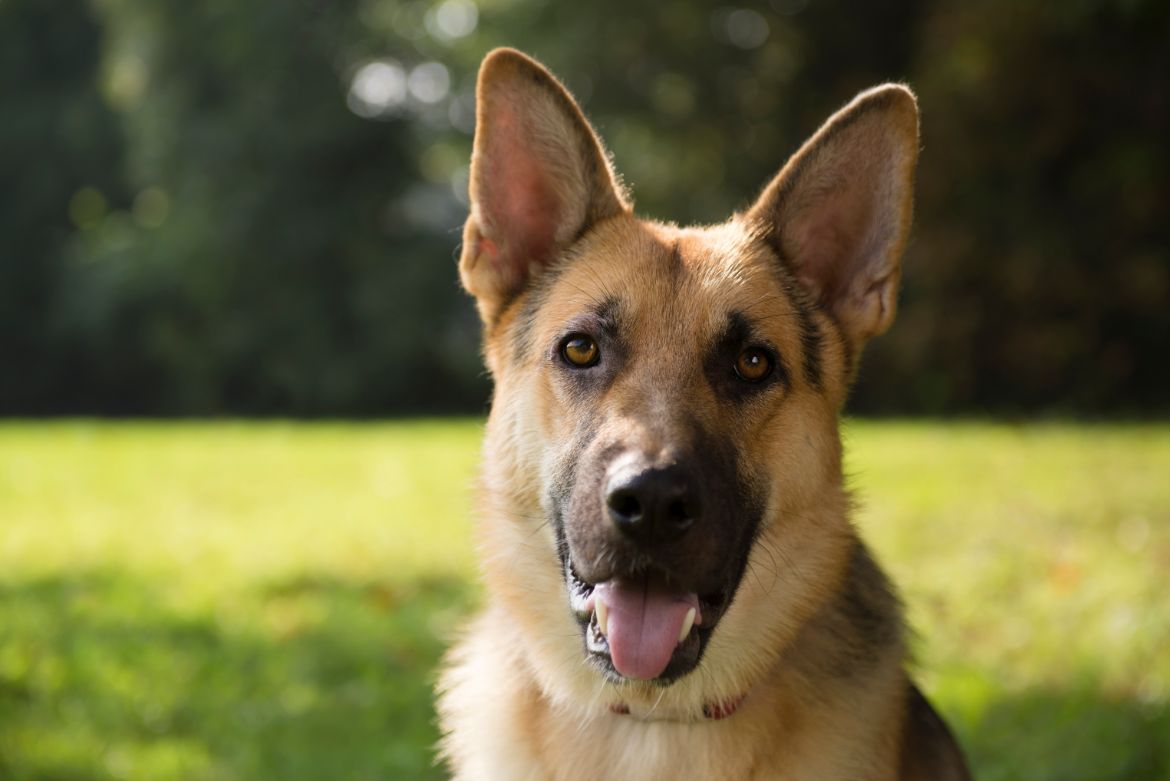
They’re Built for Adventure!
German Shepherds are athletic powerhouses. They have a strong build, stamina, and a love for activity. Whether it's a long hike, a game of fetch, or simply a good romp in the park, they are usually up for anything. They need regular exercise to stay happy and healthy, which is great news if you’re an active person looking for a canine companion to join your adventures!
A Few Things to Keep in Mind… (Because No Dog is Perfect, But They Come Close!)
While the German Shepherd/Alsatian is a truly remarkable breed, like any dog, they do have specific needs. It’s not all slobbery kisses and wagging tails (though there’s plenty of that!).
Shedding Season: It’s Real!
These dogs have a beautiful, dense double coat. And guess what? That coat sheds. A lot. Especially during seasonal changes. If you’re someone who likes a pristine, hair-free home, you might want to consider investing in a good vacuum cleaner and a quality grooming brush. Regular brushing is key to keeping their coat healthy and managing the shedding. Think of it as your daily dose of doggy confetti!
Early Socialization is Key
Because of their protective nature, it’s crucial to expose German Shepherds to a wide variety of people, places, sounds, and other animals from a young age. This helps them grow into well-adjusted, confident dogs who are less likely to be fearful or overly reactive. Think of it as sending them to “socialization school” to learn how to be polite and friendly members of society.

Training, Training, and More Training!
Their intelligence is a double-edged sword. They learn quickly, which is fantastic, but they can also learn bad habits just as quickly if not guided properly. Consistent, positive reinforcement training is essential. They need a clear leader and boundaries to feel secure. This is not a breed that thrives on being left to their own devices for long periods or without direction.
They Need a Job (Even if it’s Just Fetch!)
As we touched on, these dogs are intelligent and need mental stimulation. If they don’t have enough to do, they can become bored, anxious, and destructive. This could mean anything from agility training and obedience classes to puzzle toys and even just regular, engaging play sessions. They’re not content to just lounge around all day (unless, of course, they’ve had a very good workout!).
The Verdict: Are Alsatians (or German Shepherds!) for You?
So, there you have it! Whether you call them Alsatians or German Shepherds, you’re talking about a breed that is renowned for its intelligence, loyalty, and versatility. They are magnificent creatures that can make incredible companions for the right families.
If you’re an active individual or family, if you’re committed to training and socialization, and if you don’t mind a little bit of shedding (okay, maybe more than a little), then a German Shepherd might just be the perfect addition to your life. They are more than just pets; they become cherished members of the family, offering unwavering devotion, endless love, and a whole lot of fun.
The next time you see one of these stunning dogs, whether they’re trotting proudly by your side or captivating you with their watchful gaze, remember their rich history and their dual identity. They are a testament to brilliant breeding and the incredible bond that can exist between humans and dogs. And honestly, who wouldn’t want a furry friend who’s both a super-smart detective and a fiercely loyal protector, all rolled into one? It’s enough to make you want to go out and find your own noble Alsatian-slash-German Shepherd right this second, isn’t it? Go on, imagine that happy wagging tail! It's the best kind of thinking.