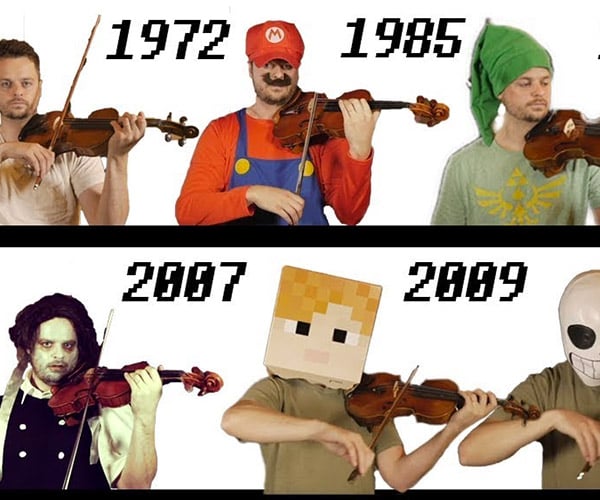
Remember when video game music sounded like a kazoo having a panic attack? Yeah, me too. Those were the days of Pong, where the most exciting sound was a little "boop" when you scored. It was simpler times, folks, and honestly, sometimes I miss that pure, unadulterated bleep-bloop magic.
Let's rewind to 1972. The year Pong arrived and basically invented the video game industry. The music? Well, "music" is a strong word. It was more of a series of incredibly basic sound effects. A "boop" for hitting the ball, a slightly different "boop" for missing. It set the stage, though. It whispered, "Hey, games can have sounds!"
Then came the arcade era. Think Space Invaders and Pac-Man. Suddenly, we had little melodies! They were repetitive, sure. They looped endlessly. But they were catchy! That iconic Pac-Man theme? You hum it in your sleep, admit it. It was like a tiny, digital earworm.
The 8-bit revolution was a game-changer. The Nintendo Entertainment System (NES) brought us wonders like Super Mario Bros. and The Legend of Zelda. The composers back then were wizards. They squeezed epic orchestral feelings out of tiny sound chips. Koji Kondo is a legend for a reason.
Seriously, the Super Mario Bros. theme is still the ultimate pick-me-up. You hear that opening notes and suddenly you're jumping on Goombas. It's pure joy in musical form. And Zelda? That overworld theme is so adventurous, it makes you want to grab a sword and a shield.
The Sega Genesis brought us Sonic the Hedgehog, and its music was all about speed and attitude. It was edgier, faster, and totally cool. It showed that game music could have personality, not just be background noise.
Then we entered the 16-bit era. Games like Final Fantasy VI showed us that game music could be emotional. Nobuo Uematsu created masterpieces. The opera scene in FFVI? Still gives me chills. It proved games could tell serious stories with powerful music.
The jump to CD-ROMs was HUGE. Suddenly, games could have actual, recorded music. Like, with real instruments! Think of the PlayStation era. Games like Metal Gear Solid had cinematic scores. It was like playing a movie, but interactive.

The Nintendo 64 gave us Ocarina of Time. The music in that game wasn't just background; it was part of the gameplay. Playing the ocarina songs to solve puzzles? Genius. It made the music feel like magic.
The early 2000s saw orchestras becoming more common. Halo had that iconic Gregorian chant-inspired theme. It sounded epic, powerful, and made you feel like a super-soldier. It was a far cry from the "boop" of Pong.
Indie games also started contributing amazing soundtracks. Think of Braid. Its melancholic piano score perfectly matched the game's atmosphere. It showed that beautiful, nuanced music wasn't just for the big-budget titles anymore.
Then came the era of fully orchestrated scores for almost every major release. Composers like Hans Zimmer started dipping their toes into game music. Games like The Last of Us had scores that were as emotionally impactful as any film.
Gustavo Santaolalla's work on The Last of Us is a prime example. That haunting, acoustic guitar-driven score? It’s burned into my brain. It perfectly captures the game’s bleak, beautiful world.
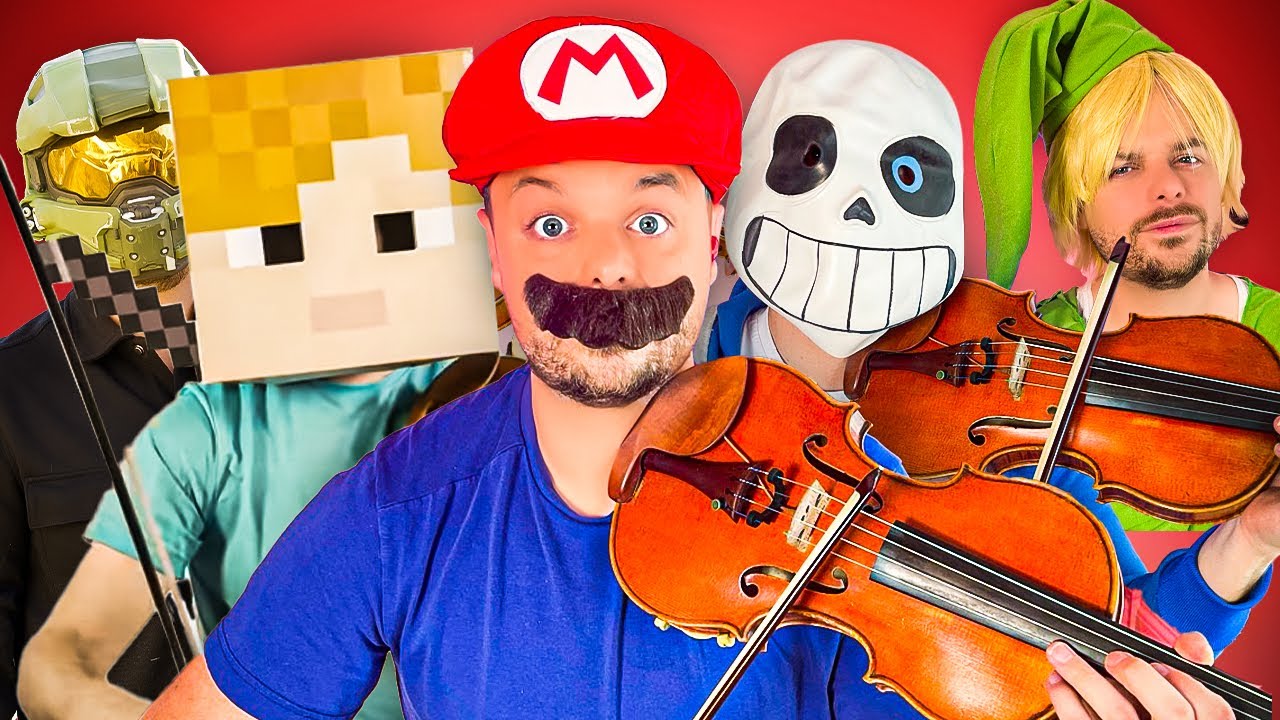
The Witcher 3: Wild Hunt had a soundtrack that felt ancient and epic. It used folk instruments and chanting. It transported you to a different world entirely. You could almost smell the mead and hear the dragons.
By 2019, game music was incredibly diverse. You had the sweeping orchestral scores of AAA titles. You had the electronic beats of Doom (2016). You had the chill vibes of games like Stardew Valley.
Mick Gordon's work on Doom was something else. It was aggressive, industrial, and perfectly captured the demon-slaying chaos. It was the opposite of relaxing, but in the best way possible.
And then there's Undertale. Toby Fox created a soundtrack that's quirky, emotional, and incredibly memorable. It's got chiptune vibes but with a modern, heartfelt twist. It's a testament to creativity.
Honestly, sometimes I think the simpler chiptune music had a certain charm the modern stuff can't quite replicate. It forced creativity within limitations. Every bleep and bloop had to count.
But the evolution is undeniable. From single-note "boops" to full symphonies, video game music has come a LONG way. It's gone from a novelty to a vital part of the gaming experience.

It's become its own art form. It evokes emotions, tells stories, and enhances our immersion. It can make us feel brave, scared, happy, or even a little bit sad.
Think about it: you can listen to a game soundtrack without even playing the game. That's how good it's gotten. It stands on its own merits, and that’s pretty amazing.
So next time you're battling a dragon or exploring a new world, take a moment to appreciate the sounds. They've come a long way from those humble beginnings. And who knows what sonic wonders await us in the future?
Maybe in 20 years, we'll be listening to music generated by our own brainwaves while playing games. Or maybe we'll just be nostalgic for the 8-bit era again. You never know!
The journey from Pong to The Witcher 3 is a musical epic in itself. It's a testament to human ingenuity and the power of sound. And it's been one heck of a ride.
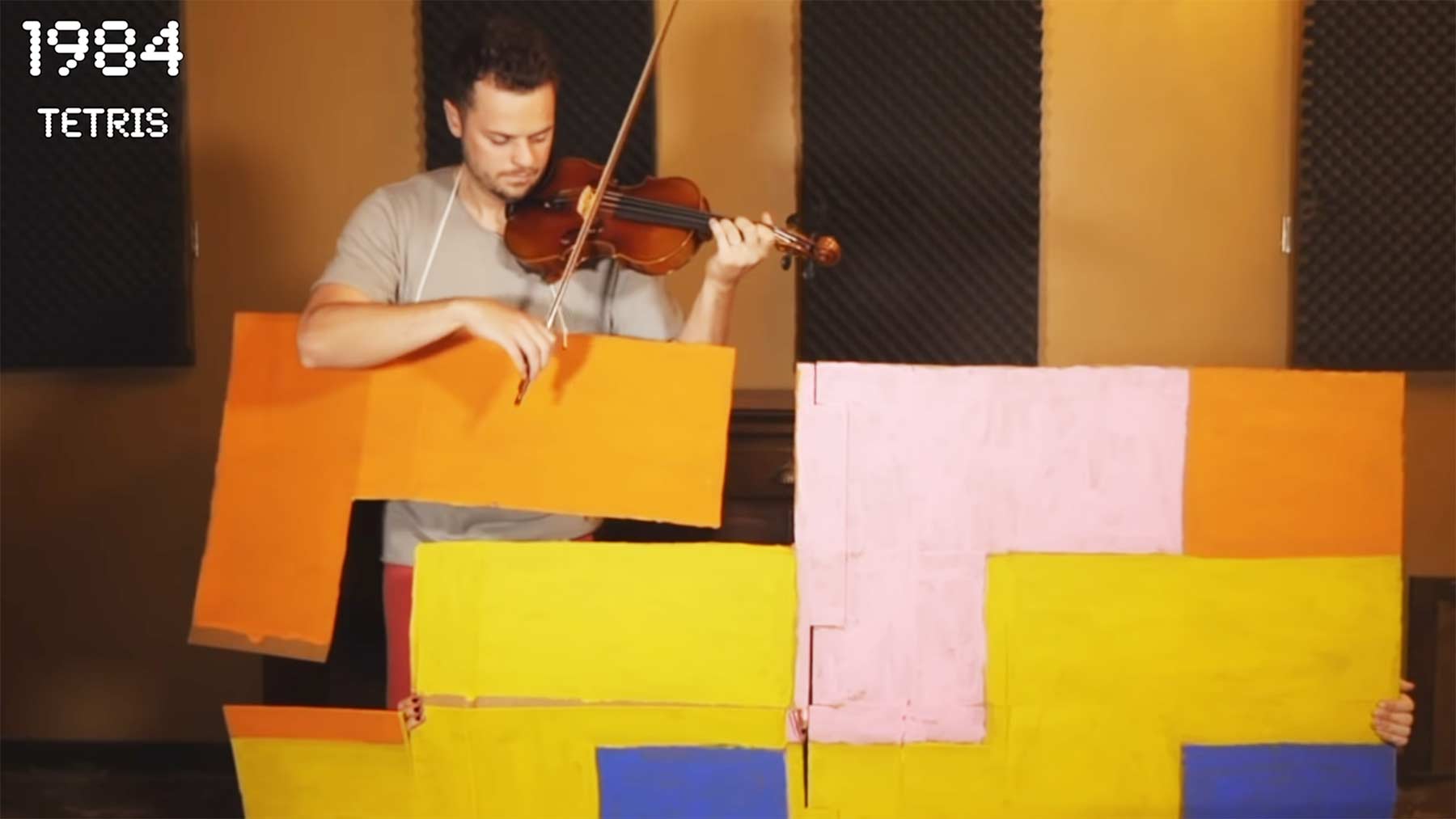
We've gone from beeps to bombastic battles. From simple melodies to soul-stirring scores. It's a symphony of progress, if you ask me.
And while I'll always have a soft spot for the early days, I can't deny the sheer brilliance of modern game music. It truly is something special.
So let's raise a virtual glass to the composers, the sound designers, and the technology that brought us here. To the bleeps, the bloops, and the symphonies!
It’s a soundscape that has shaped our childhoods and continues to define our gaming adventures. A true evolution, indeed.
And that, my friends, is the wonderfully weird, incredibly cool, and surprisingly emotional evolution of video game music.
From the beep to the symphony, it's been an unforgettable journey.