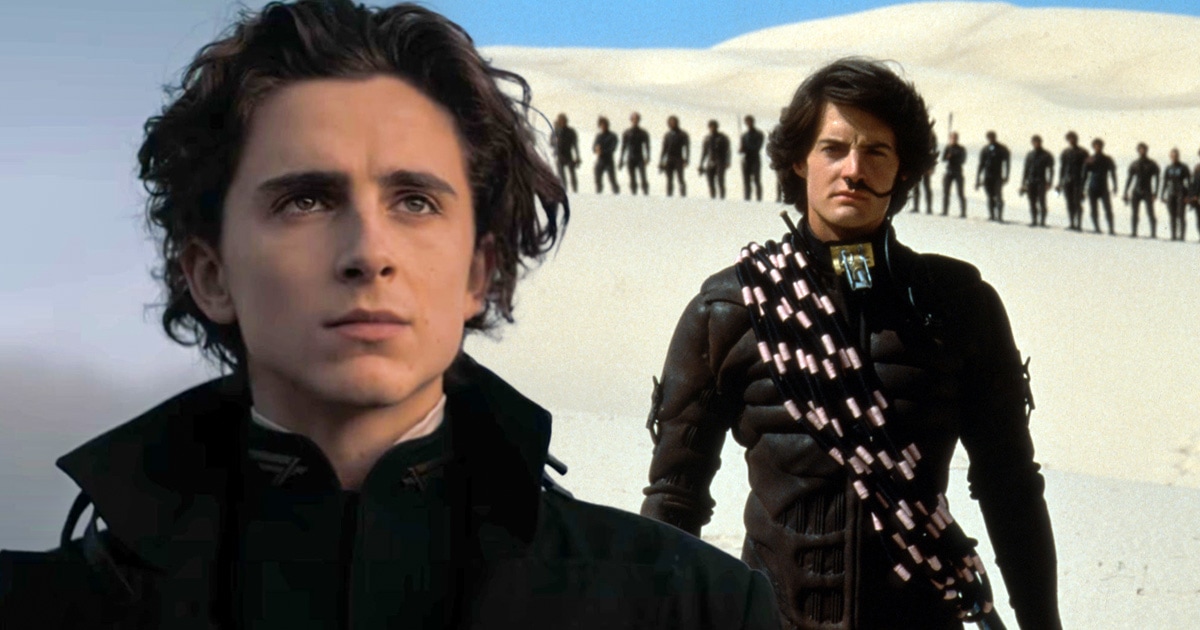
Alright, settle in, grab your spiced latte (or whatever your beverage of choice is when discussing epic desert planets), and let’s talk about Dune. Specifically, let’s dissect the two big-screen attempts at Frank Herbert’s notoriously dense masterpiece: David Lynch’s 1984 version and Denis Villeneuve’s modern-day behemoth. Think of it like comparing your grandma’s secret chili recipe to a Michelin-star chef’s interpretation. Both aim for deliciousness, but the execution is… well, let’s just say one might involve more weirdness than the other.
So, you’ve probably seen one, maybe both, or you’re that person who vaguely remembers Sting in a tiny metal bikini. Whatever your entry point, there are some huge differences, and honestly, they make for some pretty entertaining storytelling. It’s like the universe itself decided to throw two wildly different parties based on the same invitation.
The Vibe Check: Lynch's Psychedelic Circus vs. Villeneuve's Grand Opera
Let’s start with the overall feeling of these movies. Lynch, bless his bizarre heart, went full-on Lynch. If you’ve ever seen Eraserhead and thought, “I’d like to see that feeling applied to giant sandworms,” then you’re speaking his language. His Dune is like a fever dream you have after eating questionable street food in a faraway land. It’s weird. It’s stylized. It’s got a soundtrack that sounds like a robot having a bad day mixed with some questionable 80s synth-pop.
Villeneuve, on the other hand? He’s going for the full-blown, operatic, epic experience. Think soaring orchestral scores that make you feel like you could personally wrestle a sandworm (spoiler: you probably couldn’t). His Dune is all about scale, grandeur, and a certain seriousness. It’s the cinematic equivalent of a perfectly crafted, incredibly expensive espresso. Rich, intense, and you’re left contemplating the universe after each sip.
Lynch’s sandworms look… well, they look like something you might find wriggling in a bathtub drain after a particularly bad hair day. They’re a bit more… organic in their unsettlingness. Villeneuve’s sandworms? They are, for lack of a better word, majestic. They’re forces of nature, terrifying and beautiful, like a natural disaster you’d pay good money to witness from a safe distance.
The Explaining-Is-Hard Department: Lynch's Inner Monologue vs. Villeneuve's "Just Watch"
One of the biggest hurdles with Dune is the sheer amount of stuff going on in the books. There are political machinations, ecological warnings, religious prophecies, and a whole lot of inner thoughts. Frank Herbert was apparently a fan of explaining things through character introspection, which is great for reading but can be a real pain to translate to film.

Lynch’s solution? He basically threw the whole “show, don’t tell” rule out the window and replaced it with “tell the audience everything, even if it’s whispered directly into their ear by a disembodied voice.” We get internal monologues galore, often delivered in a rather theatrical way. It’s like every character has a narrator living in their head who’s just dying to spill all the beans. And then there were the … weird dream sequences. You know, the ones that make you question if you’ve accidentally wandered into an art installation.
Villeneuve takes a much more visual approach. He trusts that you’re smart enough to piece things together by watching the incredible cinematography, the subtle acting, and the sheer weight of the world he’s built. He’ll give you hints, breadcrumbs, but mostly, he wants you to feel the weight of the situation. It’s less about understanding every single facet of the Bene Gesserit's millennia-long breeding program and more about experiencing the sheer power and mystique of it all.
And don’t even get me started on the “Voice.” In Lynch’s film, it’s a rather… quirky superpower. In Villeneuve’s, it’s genuinely chilling. You feel the command, the absolute control. It’s less a parlor trick and more a terrifying weapon of psychic domination.

The Costumes: From Space-Age Disco to Utilitarian Chic
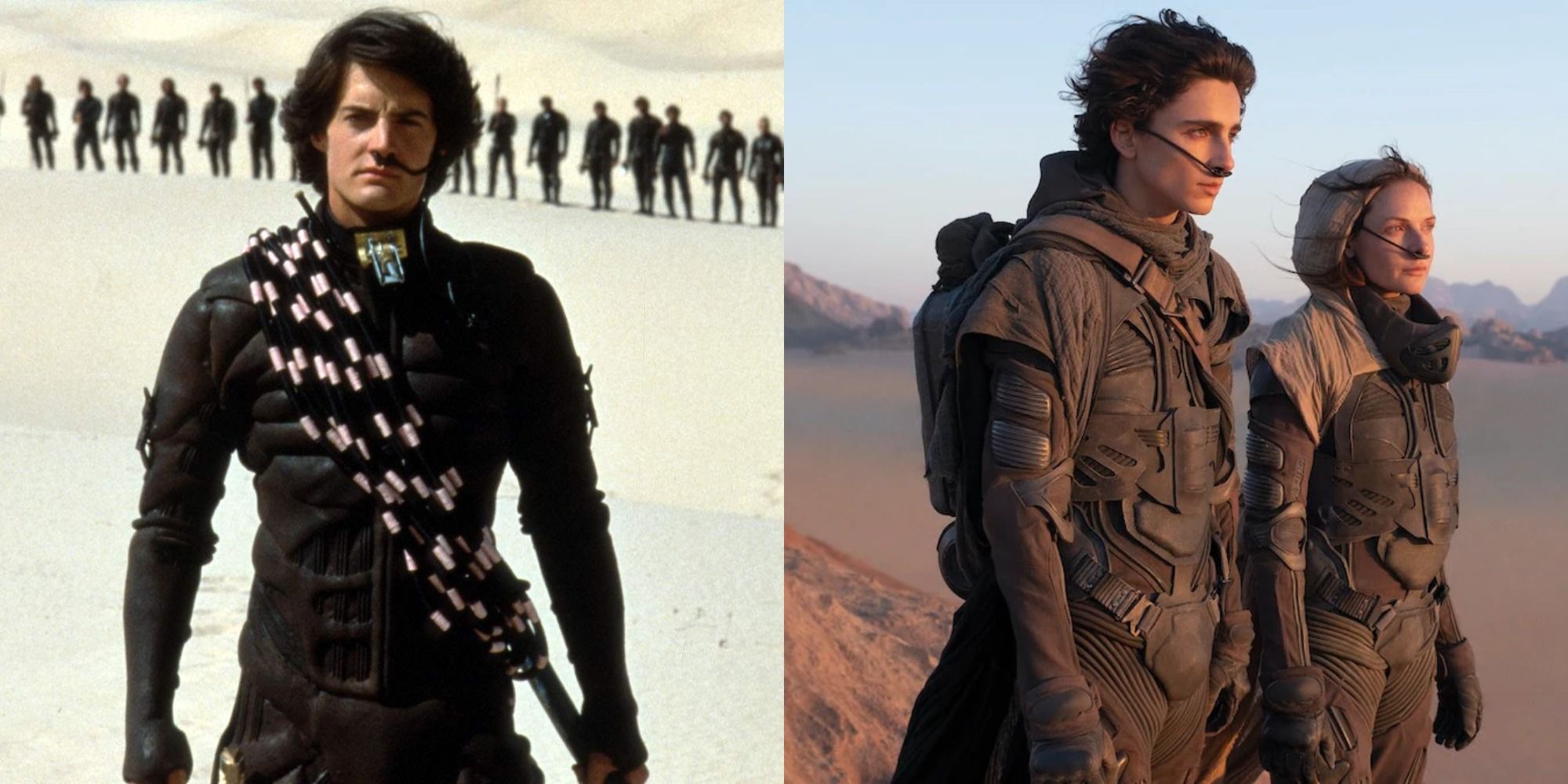
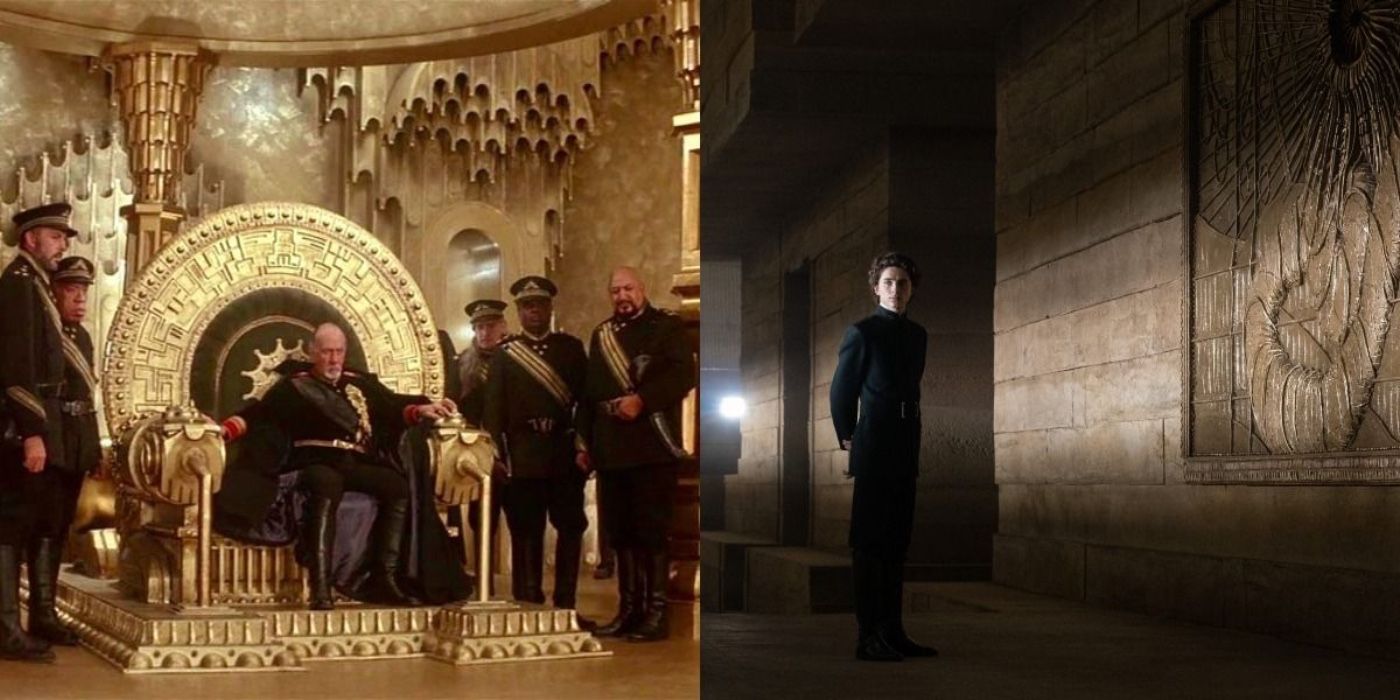
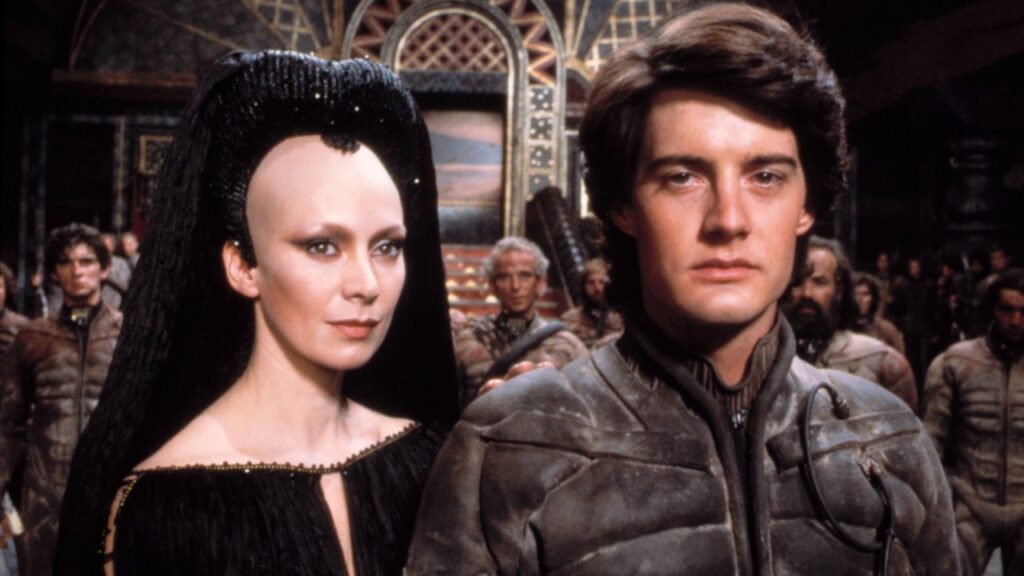
Now, let’s talk fashion, because a desert planet is no excuse for bland outfits. Lynch’s Dune costumes are, shall we say, memorable. We’ve got the Harkonnens in their vaguely menacing black outfits, but then there are the Fremen, who look like they raided a post-apocalyptic thrift store and decided to accessorize with strategically placed tubes. And Sting… oh, Sting. That little metal bikini is practically an icon of questionable sci-fi fashion.
Villeneuve’s approach is more about practicality and a sense of lived-in realism, even if that realism involves a planet with giant worms. The Fremen wear stillsuits that are ingeniously designed for survival, looking more like functional, earth-toned survival gear than anything you’d find on a runway. The Atreides have a sort of aristocratic military look, all clean lines and muted colors, conveying their noble status without being ostentatious. It’s less about making a fashion statement and more about making sure you don’t die of thirst.
There’s a definite sense of earthiness to Villeneuve’s designs. You can almost feel the grit of the sand, the harshness of the sun. Lynch, on the other hand, seemed to be aiming for a kind of alien grandeur, which, while visually striking, sometimes felt like it belonged in a very different kind of science fiction movie.

The Ending: A Cliffhanger That Launched a Thousand Theories vs. A Slightly Less Frantic One
Let’s talk about how these movies wrap up. Lynch’s Dune ends on a… very Lynchian note. It’s abrupt, it’s a bit confusing, and it leaves you with a feeling of “Wait, what just happened?” It’s like the movie just decided to run out of film and decided to call it a day. There’s a sense of completion, but also a lingering “is that it?”
Villeneuve, thankfully, is making a series. His first Dune film, Part One, is explicitly a beginning. It ends on a powerful, yet definite, cliffhanger. It’s designed to make you desperate for Part Two. It’s a masterclass in setting up the next act, leaving you with questions, but also a sense of anticipation rather than bewilderment. It’s the appetizer that makes you crave the main course.
Lynch’s ending feels more like a statement. Villeneuve’s ending is a promise. And in the world of epic sci-fi, a promise is often much more satisfying.
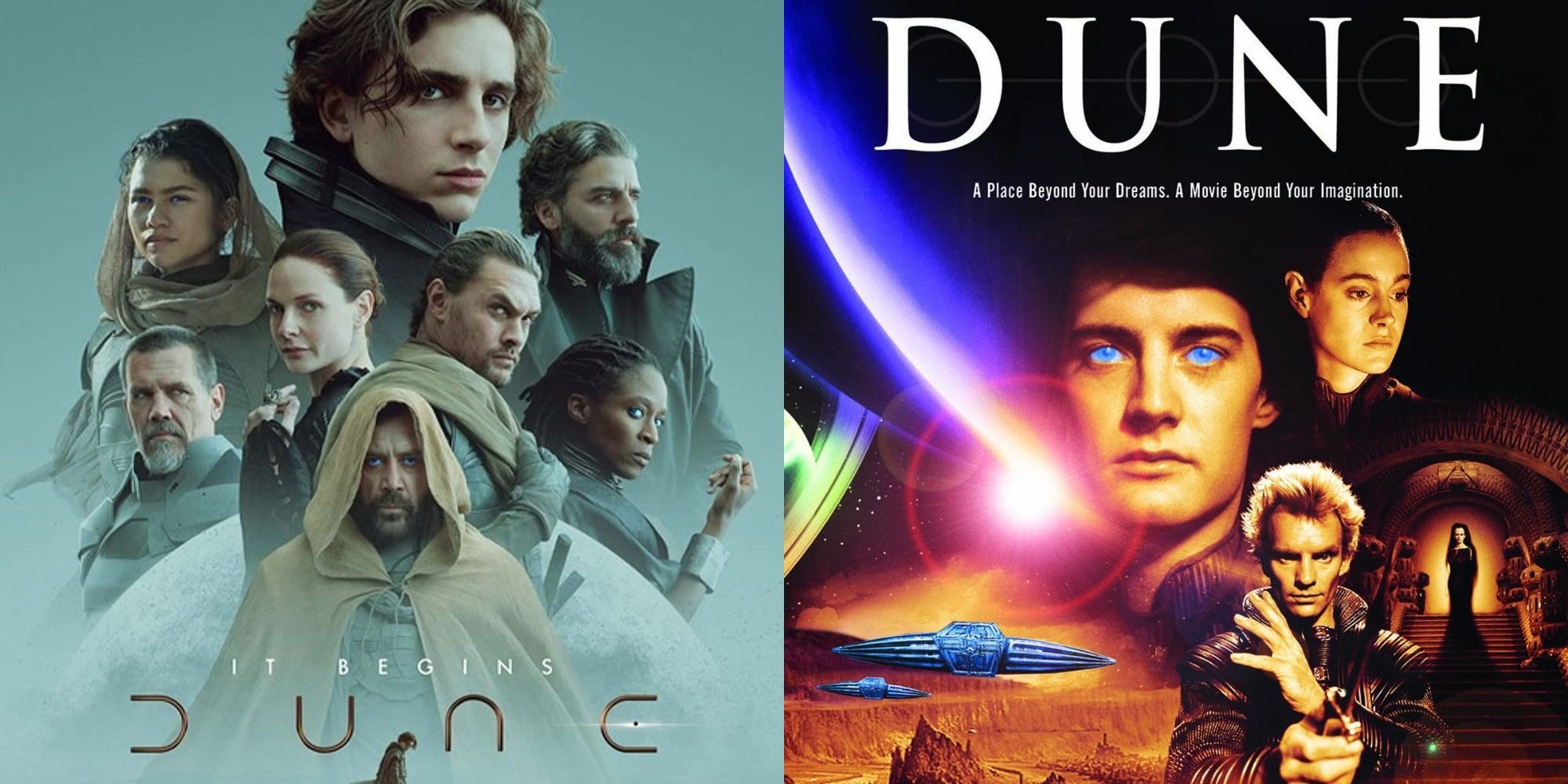
So, Which Dune Reigns Supreme?
Honestly? They both have their charms. Lynch’s Dune is a fascinating, albeit flawed, cult classic that offers a truly unique, albeit sometimes baffling, cinematic experience. It’s a testament to his singular vision, even if that vision is occasionally lost in a sea of weirdness. It's the kind of movie you watch with friends and spend the next hour trying to decipher what the heck was going on.
Villeneuve’s Dune is a triumph of modern filmmaking. It’s visually stunning, thematically rich, and manages to capture the grandeur and complexity of Herbert’s novel in a way that feels both faithful and utterly cinematic. It's the kind of movie that makes you feel small in the best possible way, dwarfed by the sheer scale of its ambition.
Ultimately, comparing them is less about declaring a winner and more about appreciating two very different artistic interpretations of the same incredible story. One is a psychedelic trip through the desert, the other is a meticulously crafted journey to the stars. And honestly, who wouldn’t want to experience both?