I remember this one time, a few years back, I was trying to fix a leaky faucet in my bathroom. Now, I’m not exactly a handyman. My DIY skills pretty much start and end with assembling IKEA furniture (and even then, there’s usually a rogue screw left over). So, I’m there, armed with a wrench that feels way too heavy and a YouTube tutorial playing on my phone, feeling… well, pretty overwhelmed. The water’s still dripping, mocking me, and I’m sweating. I genuinely considered just calling a plumber and admitting defeat, telling them, “Look, I’m clearly not cut out for this. Maybe I should just hire someone who believes they can fix it.”
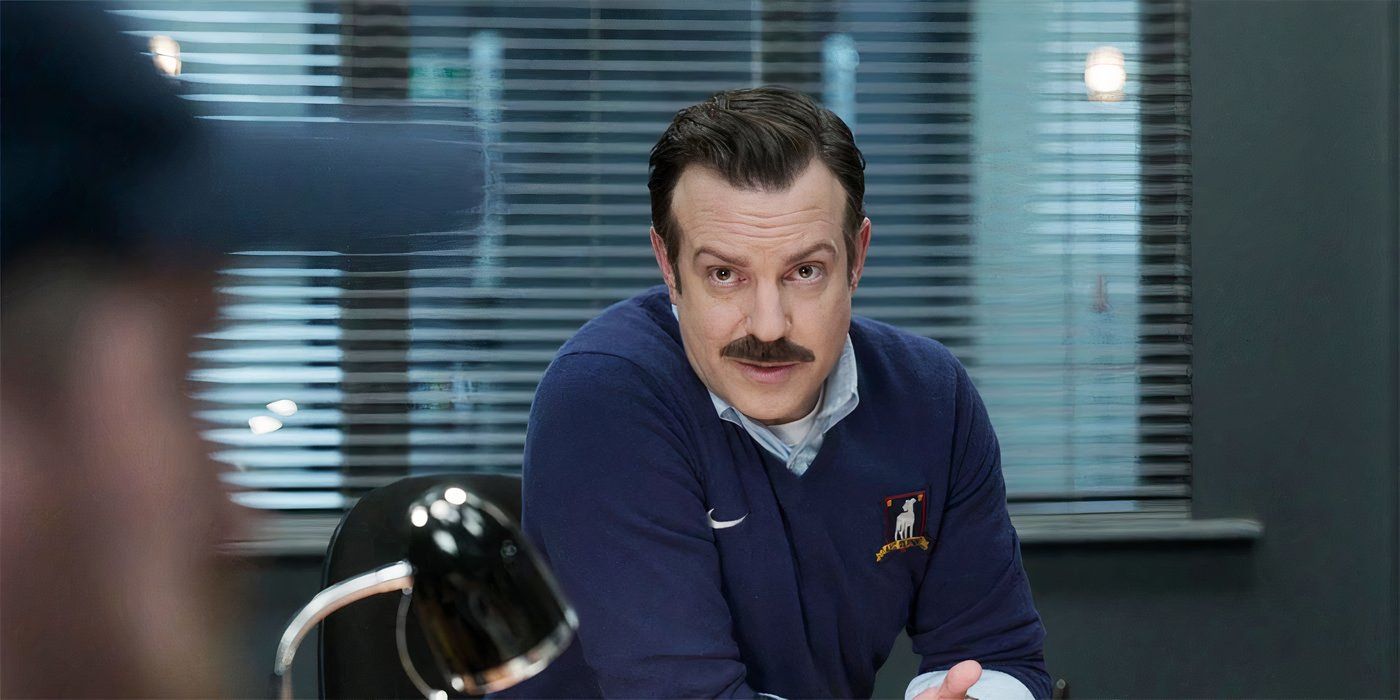
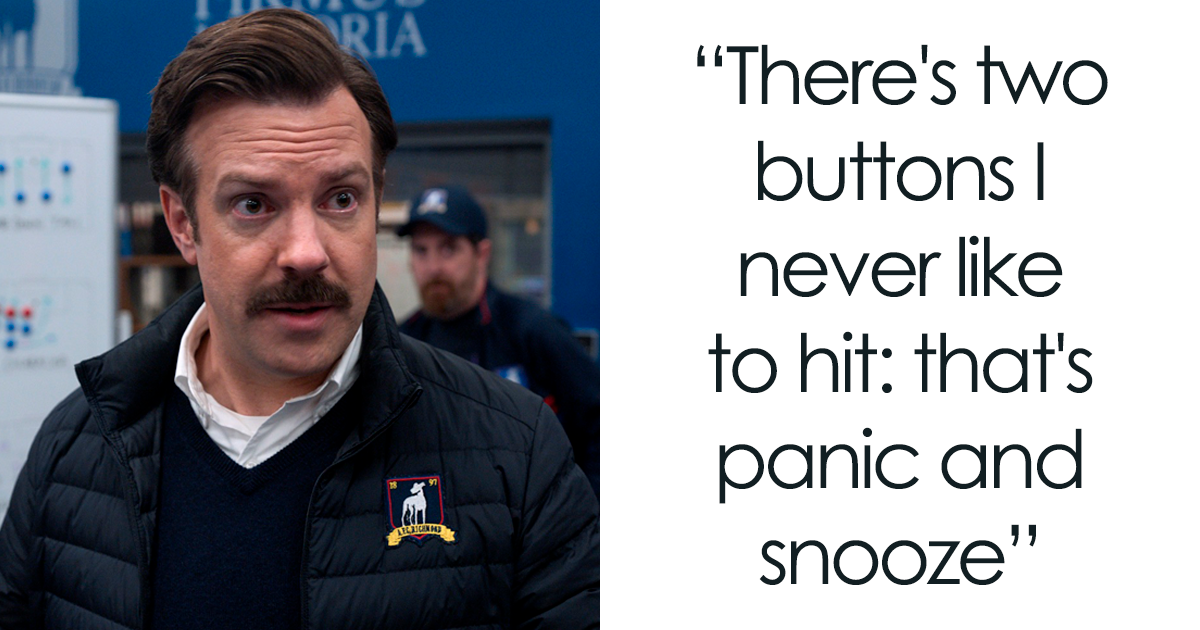
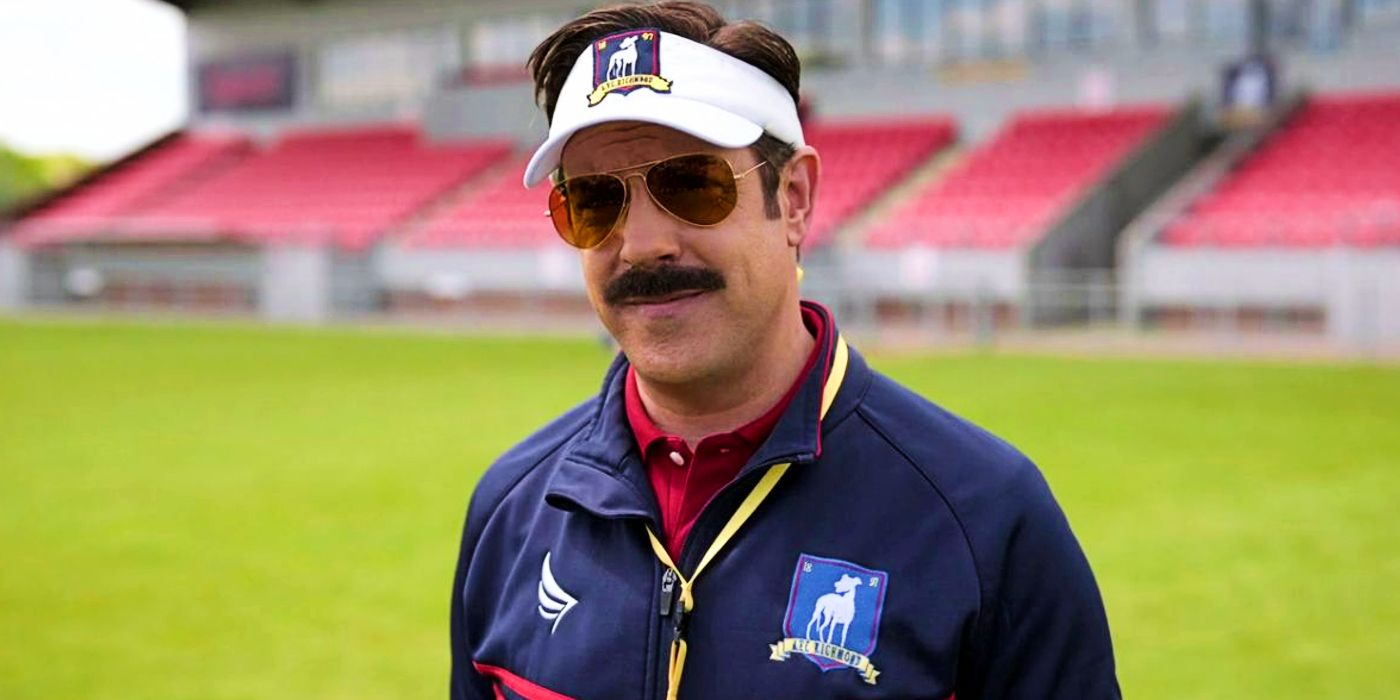
And then it hit me. That last thought. Belief. It’s such a simple word, isn’t it? But sometimes, that’s the most crucial ingredient in tackling something that seems impossible. And that, my friends, is where our beloved Ted Lasso comes in, right?
Look, let’s be honest. If you walked into AFC Richmond with the kind of unshakeable, almost blinding optimism that Ted Lasso embodies, you’d probably get laughed out of the locker room. Or worse, you’d be escorted out by security, deemed a public nuisance. The man’s approach to football management, to life, to pretty much everything, is so far removed from the gritty, cynical reality of professional sports (and let’s face it, much of the real world) that it’s almost comical. And that’s precisely why we love it. And why, I’m here to argue, it’s perfectly okay that he’s unrealistic. In fact, maybe that’s the point.
Think about it. Ted lands in a country he knows nothing about, with a sport he barely understands, tasked with managing a team riddled with internal strife and relegated to the second division. His initial press conference? A masterclass in polite bewilderment and folksy charm. He’s essentially saying, “Hey guys, I have no idea what I’m doing, but I’m going to try really, really hard to be nice to everyone.” Most people would say that’s a recipe for disaster. And probably, in the real world, it would be. A lot.
The media would tear him apart. The players would likely mutiny. The board would be looking for his replacement before halftime of his first match. Nobody would buy his whole “believe” shtick. They’d see it as weakness, as naivety. “He doesn’t understand the cutthroat nature of the game,” they’d whisper. “He’s a puppet. He’s going to sink this club.”
And yet… he doesn’t. Or at least, not in the way you’d expect. Instead of crushing him, his relentless positivity starts to chip away at the cynicism. His genuine interest in people, his willingness to listen, his absolute refusal to give up on anyone, even the most cantankerous of souls like Roy Kent or the deeply insecure Jamie Tartt – it’s revolutionary. It’s not realistic, but it’s effective.
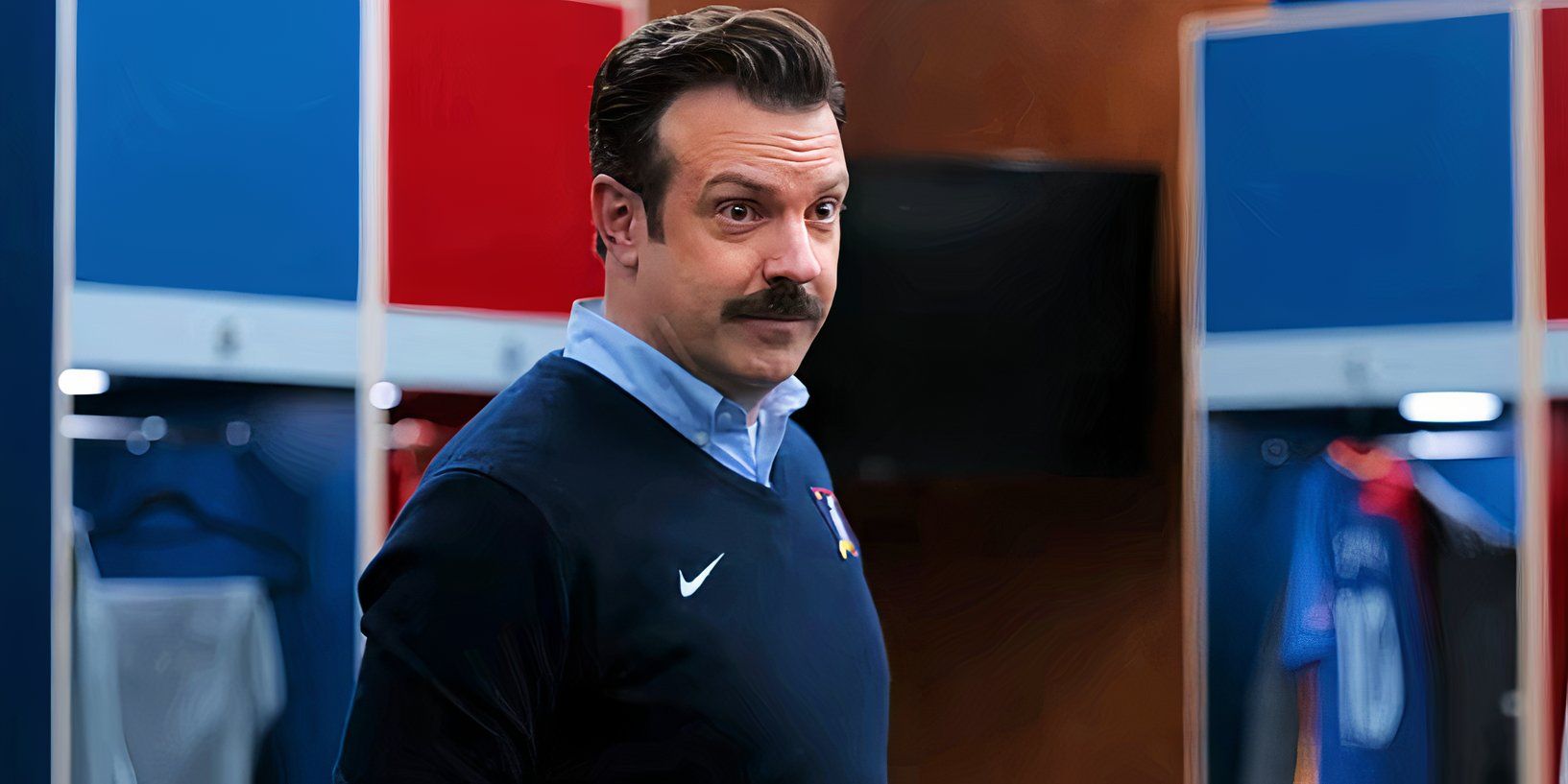
It’s like he’s applying a giant, soft, fuzzy blanket to a bunch of people who are used to being poked and prodded with sharp sticks. And surprisingly, they don’t immediately reject the blanket. They might eye it suspiciously at first, maybe even try to swat it away, but eventually, some of them start to lean into it. They start to feel… safe. And when you feel safe, maybe, just maybe, you can start to be a better version of yourself. Even if that self is a grumpy, aging footballer with anger management issues.
The show itself seems to wink at its own unreality. The perfect timing of certain events, the convenient plot resolutions, the sheer number of people who eventually fall under Ted’s spell – it all contributes to this feeling of a warm, fuzzy fable. It’s not a documentary about football management. It’s more like a modern-day fairy tale, and Ted is our slightly bewildered, perpetually optimistic prince charming.
And you know what? That’s perfectly fine. We need these stories. In a world that often feels relentlessly bleak, where every headline screams of division and despair, a show like Ted Lasso is a breath of fresh air. It’s an antidote. It’s a reminder that maybe, just maybe, kindness is a superpower. That vulnerability isn’t a weakness, but a strength. That sometimes, the most radical thing you can do is to simply believe in people.

Think about the characters. Rebecca Welton, who starts as a vengeful boss out to destroy her ex-husband’s legacy, gradually transforms under Ted’s influence. She learns to forgive, to love again, to see the good in herself and others. Nate Shelley, the “Wonder Kid,” whose descent into bitterness and resentment is a truly dark arc, serves as a crucial counterpoint to Ted’s optimism, showing the cost of losing faith. But even with Nate’s fall, Ted’s reaction is still rooted in a desire for understanding, not just condemnation. That’s… not how most workplace dramas play out, is it?
Even the secondary characters, like Higgins, the ever-so-loyal and increasingly exasperated communications director, or Keeley Jones, the sharp, stylish social media guru, benefit from Ted’s presence. They are encouraged to grow, to step outside their comfort zones, to find their own versions of “believe.”
And it’s not just about the grand gestures. It’s the little things. The constant offering of biscuits. The silly jokes. The genuine interest in people’s lives outside of football. These are the things that, while seemingly small, build trust and create connection. In the real world, most managers would be too busy with tactics and performance metrics to have these kinds of conversations. They’d be focused on the scoreboard, not the souls of their players.

The show often plays with this contrast. You’ll have a tense, high-stakes football match happening, and then Ted will derail it with a dad joke or a heartfelt, albeit slightly rambling, anecdote. It’s jarring, and that’s the point. It’s showing us that there’s more to life than just winning or losing. There’s the process, the relationships, the growth.
Is it realistic that a team would go from such a low point to eventual success with such a coach? Probably not. Would players like Roy Kent really soften up that much? Unlikely. Would a CEO like Rebecca, driven by revenge, allow herself to be so genuinely influenced by someone so… earnest? Hmm. But who cares? That’s not why we’re watching. We’re watching because it’s a balm for the soul. It’s a hopeful fantasy.
It’s like watching a beautifully animated Pixar movie. We know talking animals and sentient toys aren’t real, but we suspend our disbelief because the underlying themes of friendship, family, and overcoming adversity are deeply resonant. Ted Lasso operates on a similar principle. The football setting is just the vehicle for exploring universal human experiences.
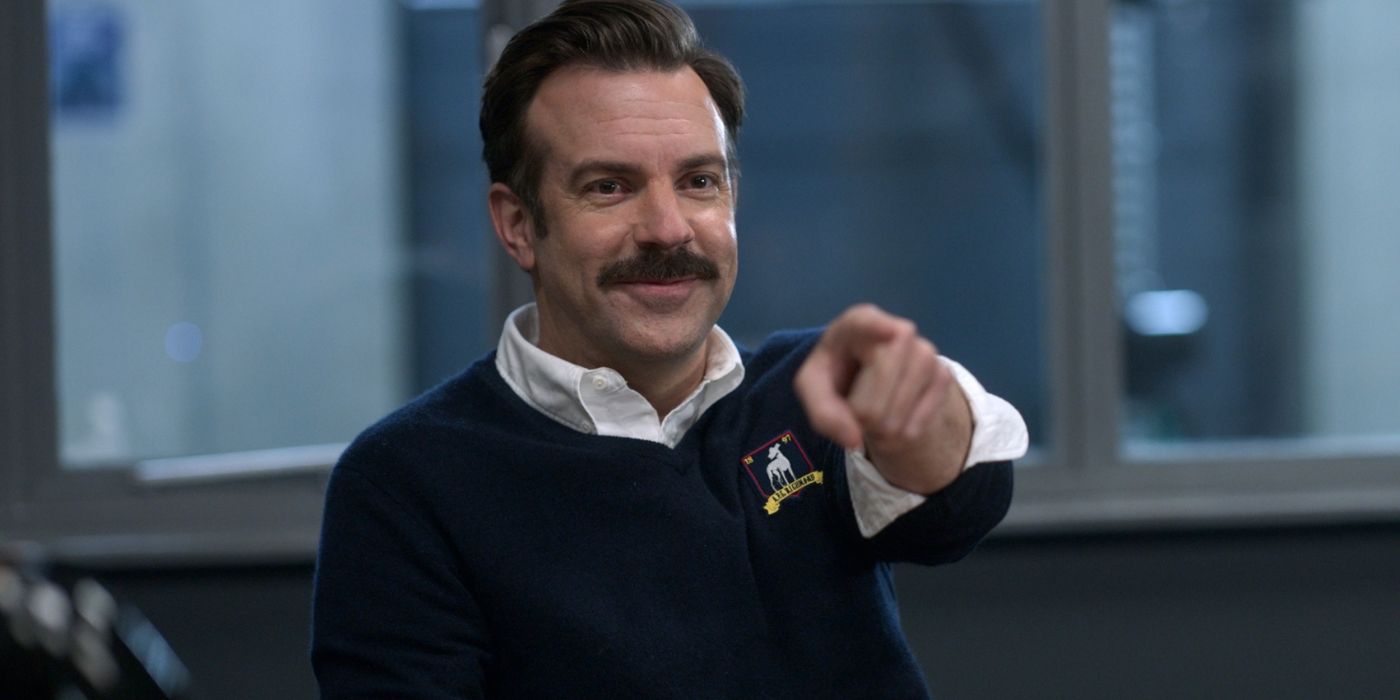
And the beauty of its unreality is that it gives us permission. It gives us permission to be a little more optimistic, a little more forgiving, a little more willing to try even when the odds are stacked against us. It reminds us that even in the face of crushing disappointment, there’s always the possibility of a comeback, of a new beginning, of a fresh perspective. It’s like that leaky faucet – sometimes, you just need to believe you can fix it, even if you’re pretty sure you’ll end up calling a plumber anyway.
The show’s creators are clearly aware of this. They’ve crafted a world where this level of unwavering positivity can exist and, crucially, can have a positive impact. They’ve built a narrative that serves as a wish fulfillment for a world that often feels like it’s lost its way. It’s a narrative that champions empathy, understanding, and the quiet power of simply being a good human being. And in that sense, while Ted Lasso’s methods might be outlandish, the message is as real as it gets.
So, the next time you find yourself watching Ted Lasso, and you think, “No way would that happen in real life,” take a moment. Smile. Because that’s the magic. That’s the dream. And sometimes, the most unrealistic things are the ones that can inspire us the most to try and bring a little bit of that magic into our own very real, often messy, and sometimes leaky, lives. After all, what’s the harm in a little bit of believing?