You know, I was re-watching an old episode of Columbo the other day – the one where he’s trying to figure out who murdered the renowned surgeon. And as Lieutenant Columbo, with his rumpled raincoat and perpetual “just one more thing,” meticulously pieced together the seemingly insignificant clues, I found myself leaning closer to the screen, muttering my own deductions. "He said he saw the gardener, but the footprints are too small…" I thought. "And why would a surgeon have that particular brand of cigar ash on his lapel?" It’s that little thrill, isn’t it? That feeling of being privy to a secret, of slowly but surely unravelling a puzzle before the detective even spills the beans.
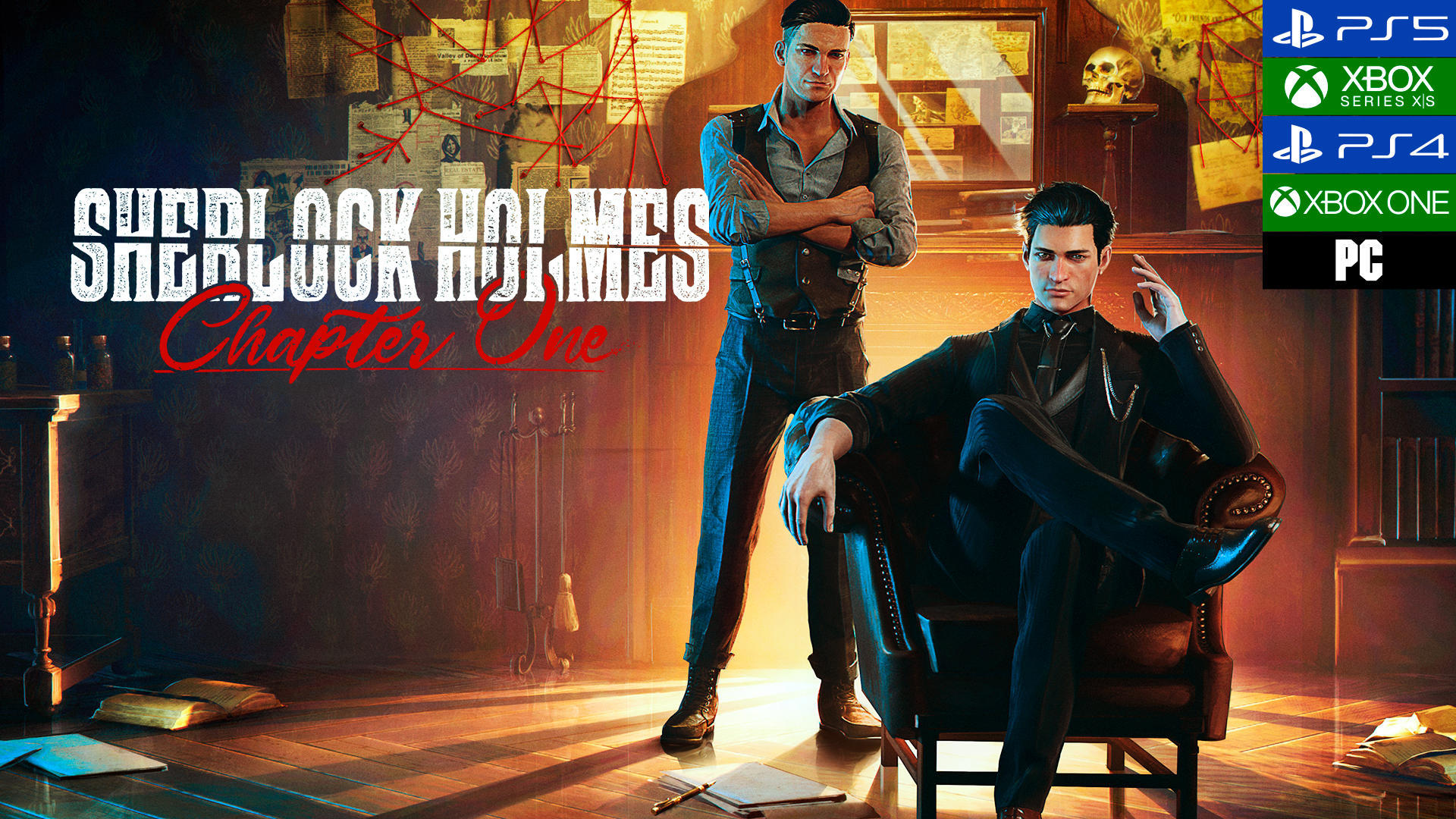
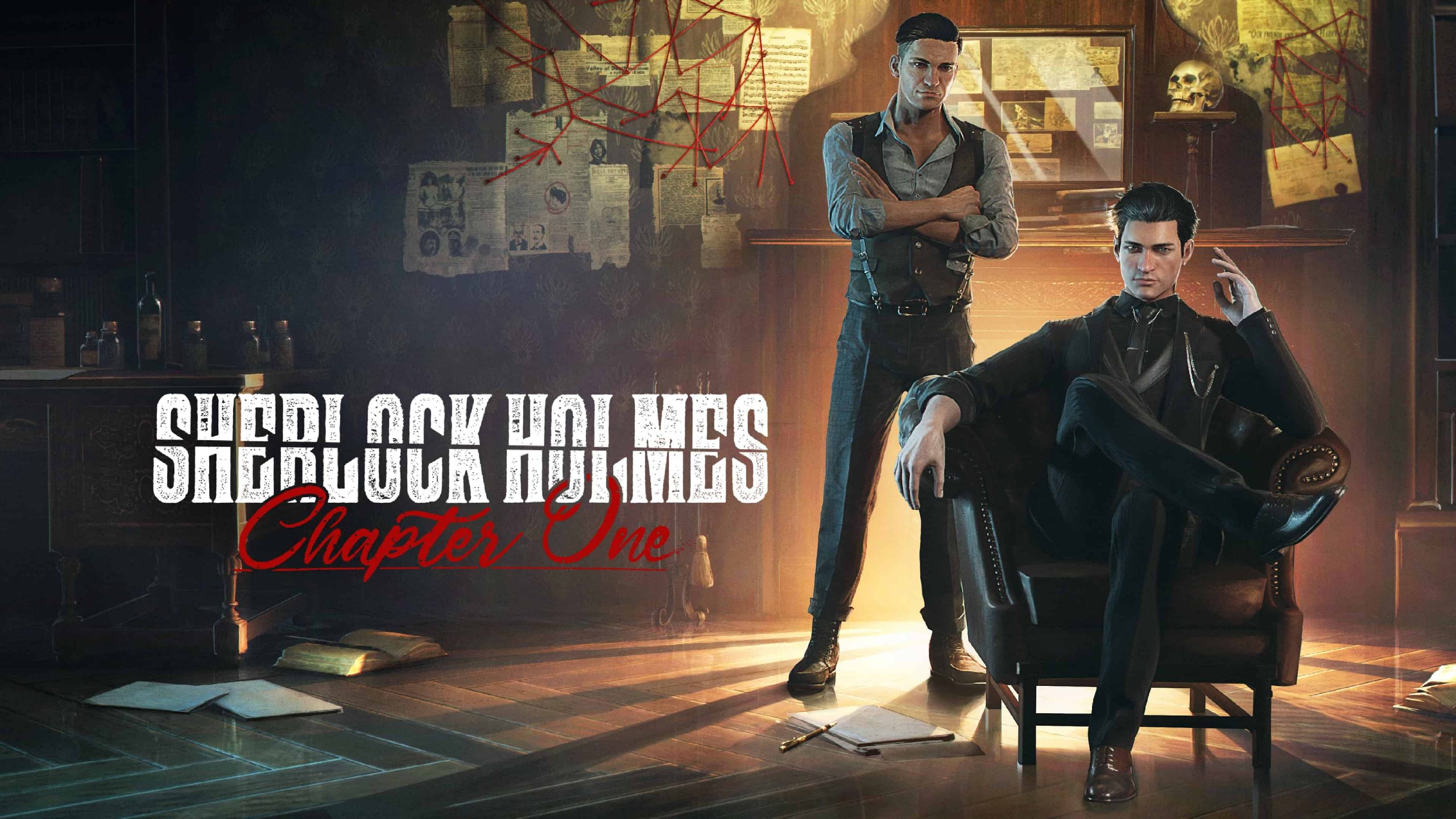
That, my friends, is the magic of a good detective story. And it’s precisely that same magic that Sherlock Holmes Chapter One aims to bottle up and hand directly to you, the player. No longer are you just passively watching the brilliant mind of Conan Doyle’s legendary detective at work; with this game, you’re in his shoes. Or perhaps more accurately, you're in his incredibly well-tailored boots, ready to sniff out the truth on the sun-drenched shores of the Mediterranean.
Now, I know what some of you might be thinking. “Another Sherlock Holmes game? Haven’t we had a million of those?” And to that, I’d say, hold your horses, my curious comrades! Because Chapter One isn’t just another point-and-click adventure where you awkwardly click on every object in a room hoping for a eureka moment. This is different. This is about stepping into the shoes of a younger Sherlock. A Sherlock who’s still figuring things out, still honing his prodigious intellect, and frankly, still dealing with some pretty heavy stuff.
The Making of a Master
And that, I think, is where Chapter One really shines. We’re so used to seeing Sherlock Holmes as this fully formed, almost mythical figure. The stoic genius, the master of deduction, the one who can see through any lie. But Chapter One throws us back to a time when he wasn't quite so… Sherlocked. This is Sherlock before the iconic deerstalker, before the smoke-filled rooms of Baker Street became his permanent residence. This is Sherlock as a young man, returning to the island of his birth, a place shrouded in mystery and, dare I say, a touch of personal tragedy.
The game developers, Frogwares, have really gone out of their way to explore this formative period. They’ve crafted an environment that feels both idyllic and unsettling, a place where seemingly perfect exteriors hide dark secrets. And it’s up to you, the player, to peel back those layers. It’s a bold choice, and one that I think pays off handsomely. It gives us a chance to see the process of deduction, not just the results. You’re not just presented with facts; you’re actively involved in gathering them, interpreting them, and sometimes, even making educated guesses that might be wrong.
And that’s the beauty of it! You’re not expected to be Sherlock from minute one. The game actively encourages you to experiment, to make mistakes, and to learn from them. It’s like that moment when you’re trying to solve a Rubik’s cube for the first time. You scramble it, you twist, you turn, you get frustrated, and then, slowly but surely, you start to see the patterns. Chapter One gives you that space to fumble a bit, to build your own mental flowchart of suspects and motives.
Your Brain, Your Rules
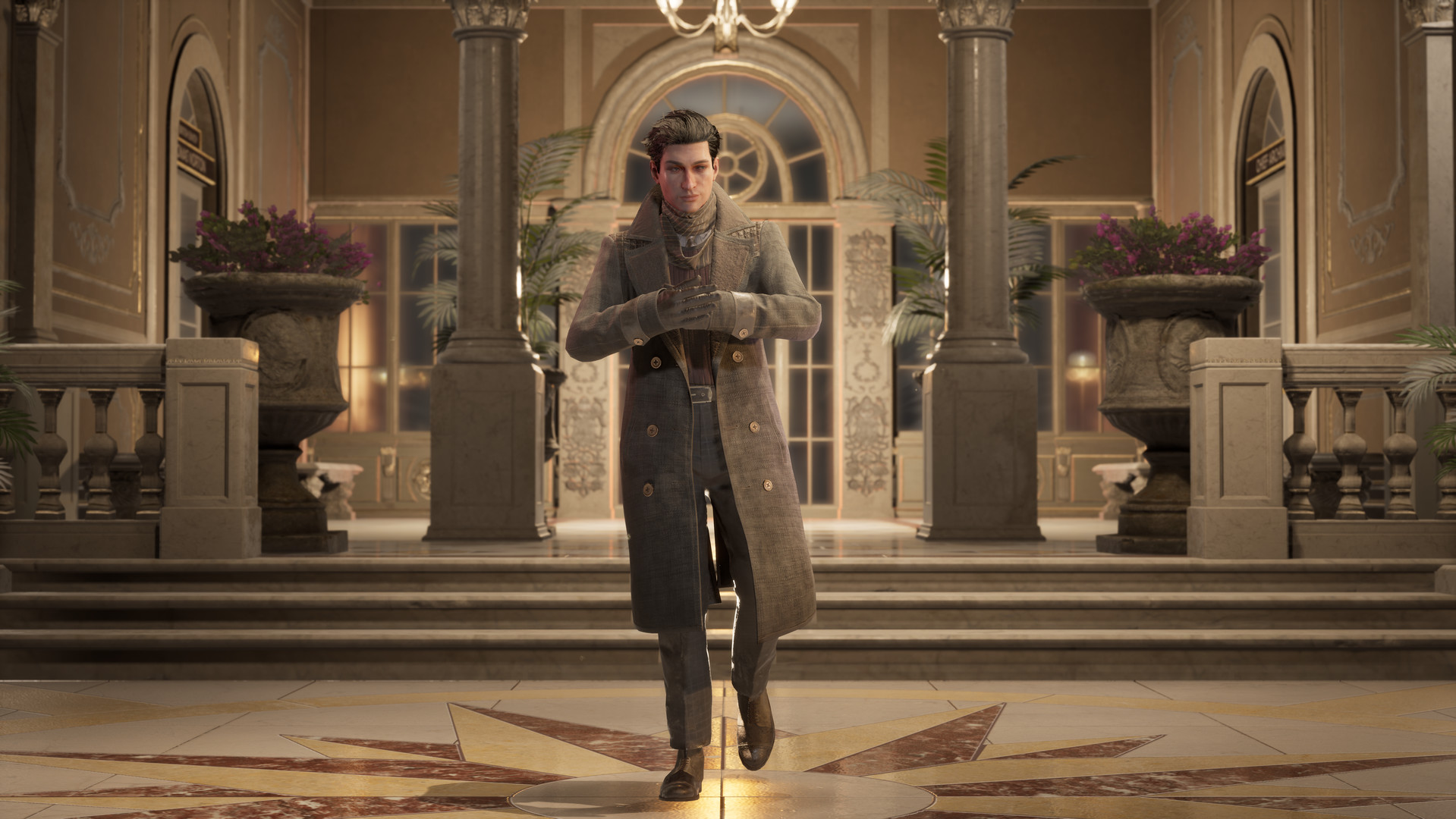
So, how does it actually feel to be Sherlock in this game? Well, it’s a fascinating blend of exploration, investigation, and… well, a healthy dose of your own brainpower. You’ll be wandering around this beautiful, sprawling island, talking to people, examining crime scenes, and gathering clues. But here’s the kicker: the game doesn't hold your hand. Not really.
When you're presented with a series of facts or observations, you don't just click a button that says "deduce." Oh no. You have to actively connect these pieces of information. You’ll be building your "Mind Palace" – a cool, visual representation of your case board, if you will – where you can link evidence, form hypotheses, and ultimately, confront suspects with your conclusions. And here’s where the irony sometimes creeps in: you might be absolutely convinced you've cracked the case, only for your deduction to lead you down a completely wrong path. It’s humbling, and oddly exhilarating.
Think about it. How many times have you watched a detective show and shouted at the screen, "No, you idiot! He’s clearly lying about that!"? Well, in Chapter One, you have the opportunity to be that person, and sometimes, to be the idiot. The game allows for multiple outcomes based on your deductions. You might accuse the wrong person, or you might miss a crucial detail that changes everything. It’s a refreshing departure from games where there’s only one "correct" solution.
This aspect of player agency is what really elevates Chapter One for me. It’s not just about following a script; it’s about engaging with the narrative on a deeper level. You're not just solving the mystery; you're shaping the investigation. And that, my friends, is a pretty powerful feeling.
One of the most engaging mechanics is the ability to "profile" people. You'll observe their mannerisms, their clothing, their subtle tells, and based on these observations, you can piece together a profile. Are they a wealthy merchant? A despondent artist? A cunning con artist? This isn't just for flavour; these profiles can unlock new dialogue options, reveal hidden motives, and guide you towards the truth. It’s like having a little Sherlock Holmes toolkit right at your fingertips.
And the dialogue system! It’s not just a list of pre-written questions. You can often choose specific pieces of evidence or observations to present to a suspect, and their reactions will vary wildly. Do you confront them with a muddy bootprint, or do you subtly hint at their involvement with a coded phrase? The choices you make in conversation can drastically alter the flow of the investigation, opening up new avenues of inquiry or shutting down others entirely. It’s a constant dance of discovery and deception.
The Island of Secrets
The setting itself, the fictional island of Cordona, is practically a character in its own right. It’s a vibrant, sun-drenched paradise, reminiscent of a pre-war Mediterranean locale. Think bustling marketplaces, opulent villas, and hidden, winding alleys. But beneath that charming surface, there’s a palpable sense of unease. This is a place where secrets fester, and where the veneer of civility can crack at any moment.
Exploring Cordona is a joy. You can use your trusty violin to play a jaunty tune (which is surprisingly useful for calming down angry villagers, believe it or not!), you can rent a boat to explore the coastline, or you can simply get lost in the maze-like streets. And everywhere you go, there are people to talk to, clues to uncover, and mysteries to unravel. It’s an open-world detective experience, which is something we don’t see enough of, frankly.
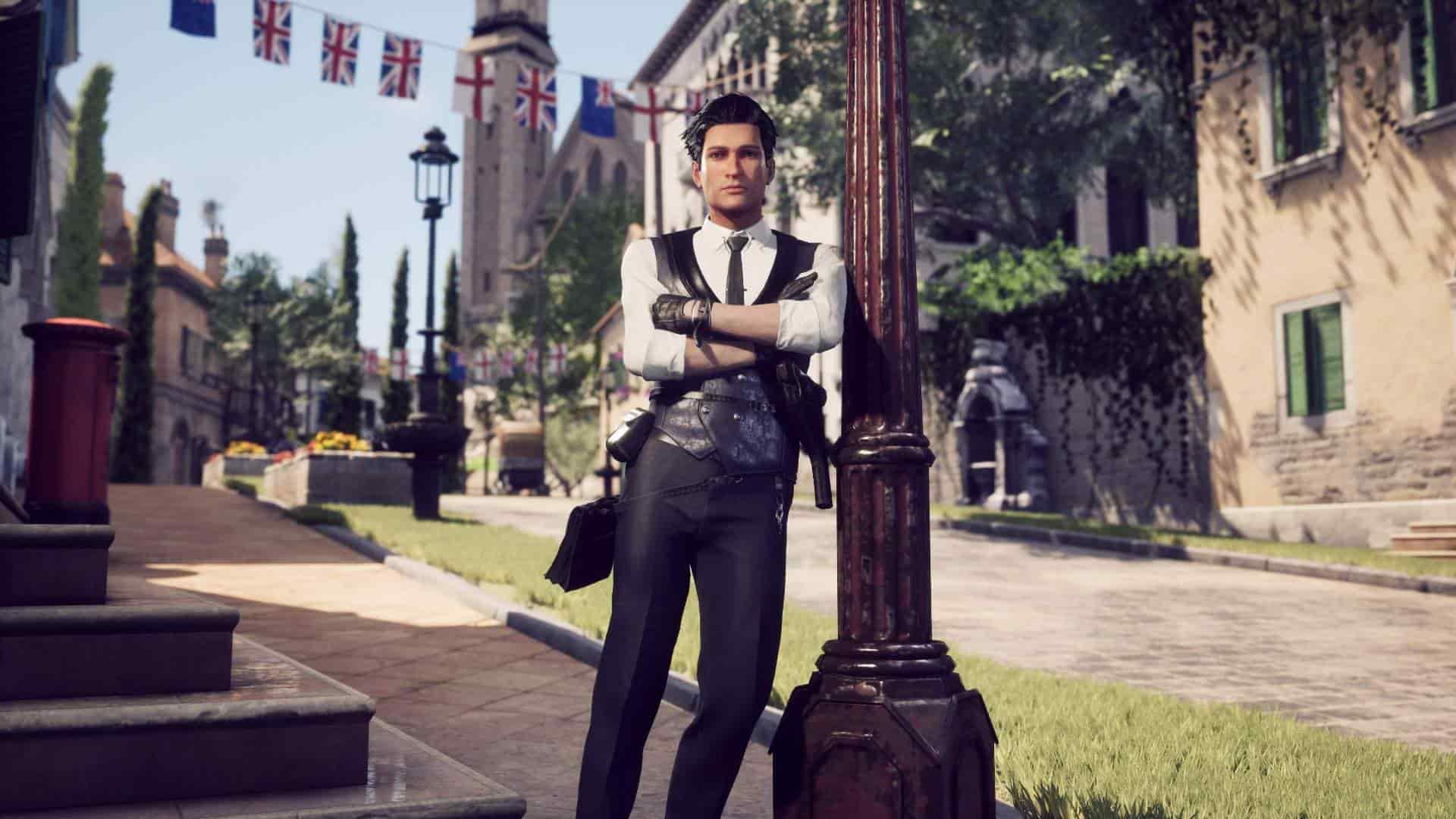
The cases themselves are varied and engaging. You’ll be investigating everything from petty theft and apparent suicides to more complex murders with far-reaching implications. And as you progress, you’ll start to notice how these individual cases might be interconnected, hinting at a larger conspiracy at play. It’s a satisfying narrative arc that keeps you invested in the unfolding events.
I remember one particular case where I was convinced I had the killer dead to rights. I had all the evidence, all the motive. I presented my findings, feeling smug and brilliant. And then… the suspect calmly produced an alibi that blew my entire theory out of the water. I was left sputtering, my carefully constructed deduction crumbling around me. It was a moment of pure, unadulterated “aha!” – followed swiftly by a sheepish “oh, that’s what happened.” It’s these moments of delightful failure that make the eventual triumphs so much sweeter.
And it’s not just about the big, dramatic cases. There are smaller, more personal mysteries to uncover as well, often tied to Sherlock’s own past and his relationship with his mother. These more intimate moments add a layer of emotional depth to the game, reminding you that even the greatest minds have their vulnerabilities and their ghosts.
More Than Just a Game of Clues
Beyond the core detective mechanics, Sherlock Holmes Chapter One also offers a fair amount of freedom in how you approach situations. You can choose to be a more direct, confrontational detective, or you can be a master of stealth and deception. Sometimes, the best way to get information isn't through direct questioning, but through eavesdropping, pickpocketing, or even a bit of well-placed sabotage. It’s a testament to Frogwares' design that they allow for so many different playstyles.

And let’s not forget about John. Yes, that John. While he’s not the seasoned Dr. Watson we know from later years, his presence here as a somewhat mischievous companion is a welcome addition. He provides a foil for young Sherlock, offering a more grounded perspective and sometimes, a much-needed dose of common sense (or at least, what passes for common sense when you’re accompanying the world’s greatest detective on his early adventures).
The game also has a rather neat "wanted posters" system. As you gather information, you'll start to get a clearer picture of who the criminals are. You can then use this information to identify them on wanted posters scattered around the island and collect bounties. It's a small touch, but it adds to the feeling of actively policing the island yourself, of being a force for order (or at least, for figuring out who’s causing the disorder).
Ultimately, what Sherlock Holmes Chapter One does so well is it makes you feel like Sherlock Holmes. It’s not just about finding the clues; it’s about the thought process, the leaps of logic, the moments of frustration, and the sheer satisfaction of finally putting all the pieces together. It’s a game that respects your intelligence and encourages you to use it. It’s a game that, much like a perfectly brewed cup of Earl Grey, is best enjoyed slowly, savouring every intricate detail.
So, if you’ve ever found yourself idly piecing together the tiny clues in a murder mystery, or if you’ve ever dreamt of donning the deerstalker (even if it’s just a metaphorical one), then I implore you: give Sherlock Holmes Chapter One a try. You might just find that you have a hidden detective lurking within you, just waiting for the right island, and the right case, to emerge.