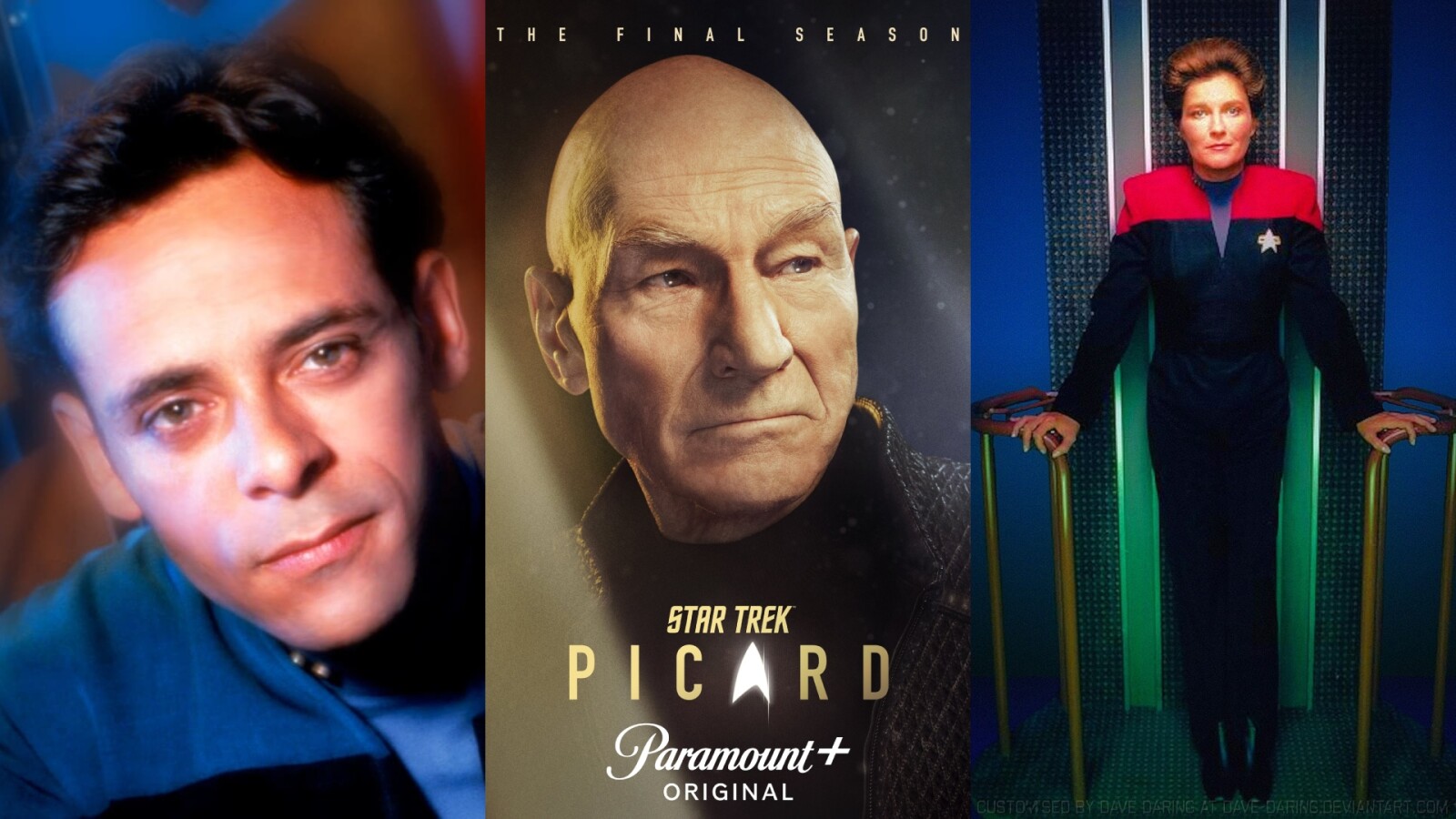
Alright, Trekkies and casual viewers alike, let's dive into the glorious, sometimes baffling, galaxy of Star Trek. We're talking about the shows that dared to beam us up and into the future. Forget rankings of best plots or most memorable aliens for a moment. Today, we're ranking them on something far more crucial: sheer, unadulterated boldness. You know, the stuff that made you raise an eyebrow, spill your synthale, or just plain ask, "Did they really go there?" We're starting with the elder statesman and working our way through some fan favorites.
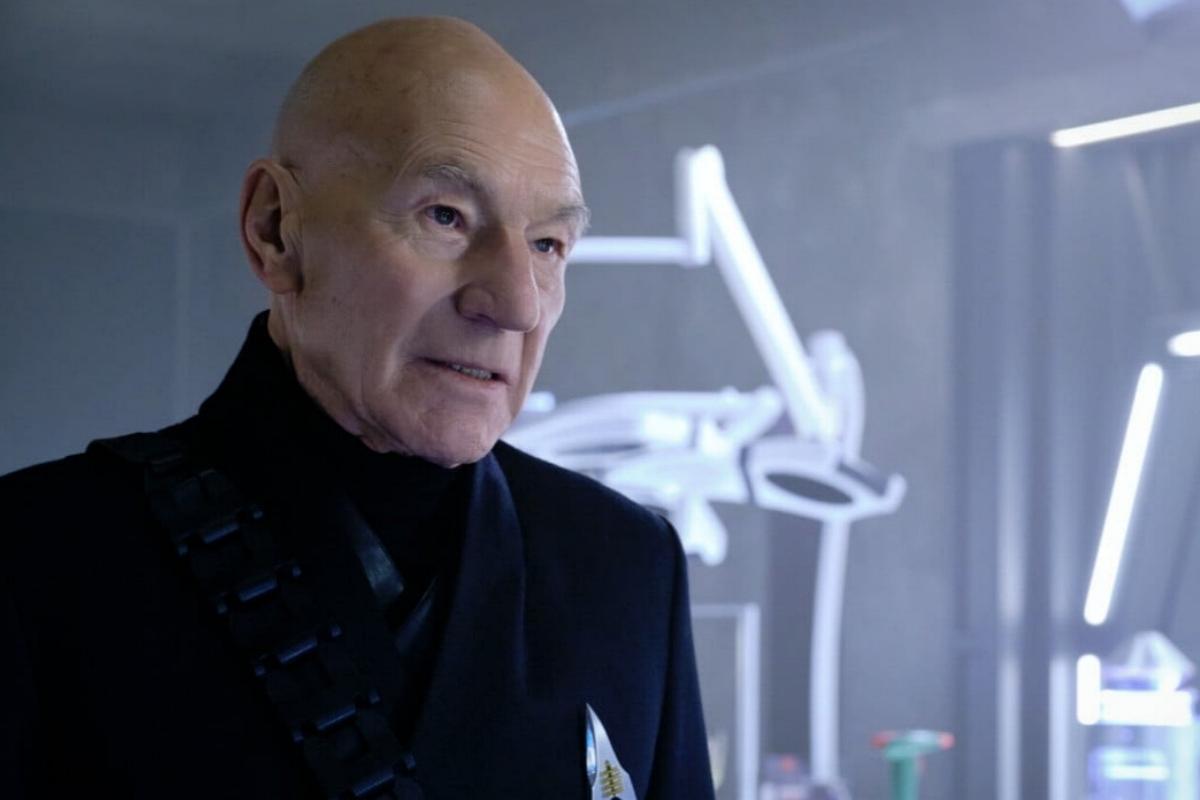
First up, we have Star Trek: Picard. Now, this show had a lot to prove. It brought back a beloved captain, Jean-Luc Picard himself. And in many ways, it was bold. It dove into darker themes. It explored aging and regret. It wasn't afraid to show a sometimes-crumbling Federation. But was it truly bold in the sense of groundbreaking storytelling? It felt more like a thoughtful, sometimes melancholic, reflection. It was brave to revisit a legend, but the boldness was often more in the emotional weight than in cosmic, reality-bending shifts. Think of it as a perfectly aged wine. Sophisticated, complex, but maybe not the rocket fuel you were expecting.
Moving along, let's consider Star Trek: Discovery. Ah, Discovery. This series certainly cranked up the dial on "bold." From its very inception, it felt different. The visual style was slicker, more modern. The Klingons got a complete makeover, which was a bold move, to say the least. And the storytelling? Well, it was definitely going places. Sometimes it was a rocket ship, sometimes it felt like a shuttlecraft lost in a nebula. They experimented with serialized narratives and high-stakes cliffhangers. The sheer visual spectacle alone was a statement. It pushed boundaries, even if not every experiment landed perfectly. It was the kid who dyed their hair bright pink and wore mismatched socks. You couldn't ignore it.
Now, let's talk about Star Trek: Voyager. Voyager was presented with a fantastic, inherently bold premise: a Starfleet ship, stranded 70,000 light-years from home, trying to get back. That's a recipe for boldness! They had to rely on themselves, make tough choices, and encounter entirely new corners of the galaxy. And they did it with a fantastic crew, led by the formidable Captain Kathryn Janeway. The boldness here was in the sustained isolation and the need for ingenuity. They had to build bridges, forge alliances, and sometimes just survive. It was a daily dose of bravery, a continuous act of pushing forward against impossible odds. It was the ultimate road trip, where the GPS broke down on planet Zorp.
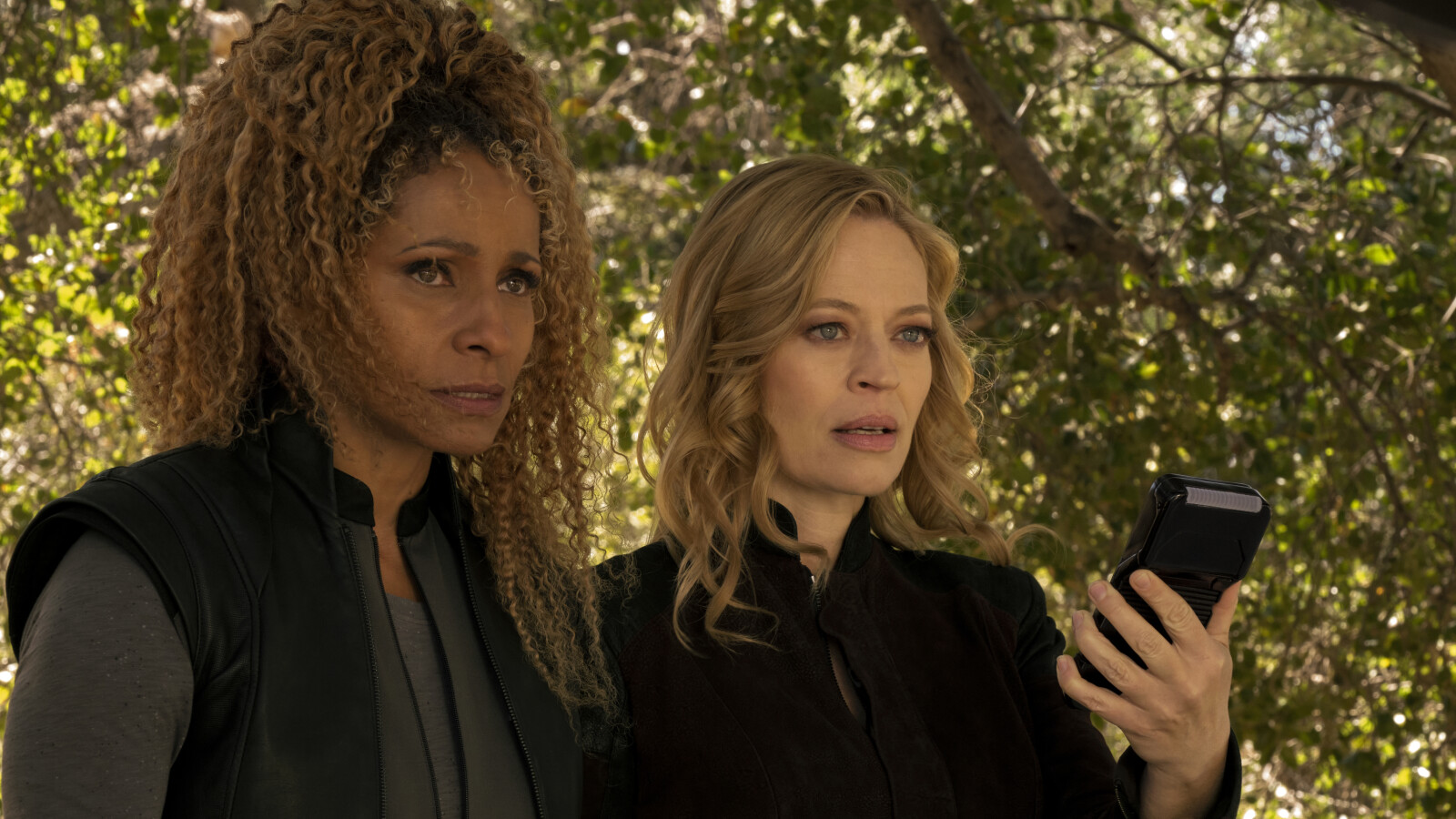
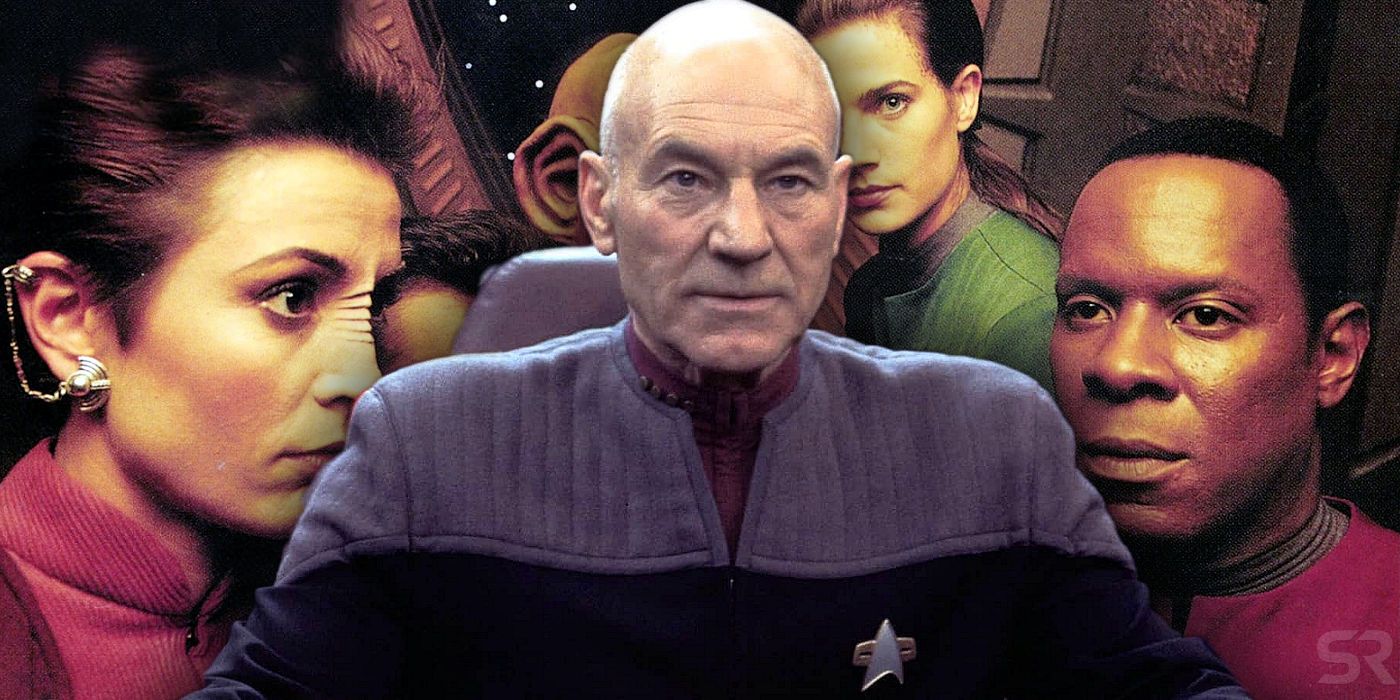
And then, there's the undisputed champion of boldness for so many: Star Trek: Deep Space Nine. Oh, Deep Space Nine. Where do we even begin? This wasn't just a space station; it was a soap opera in space, a political thriller, a war drama, and a philosophical debate all rolled into one. The boldness here wasn't just in the threats they faced, but in the questions they asked. They didn't shy away from moral ambiguity. Characters made difficult, sometimes downright questionable, decisions. The Dominion War was a brutal, soul-crushing conflict that didn't have easy answers. They explored religion, occupation, and the complex nature of good and evil in ways that were simply unprecedented.
Deep Space Nine wasn't afraid to get its hands dirty. It showed us that the Federation wasn't always perfect, and that sometimes, survival meant compromising.
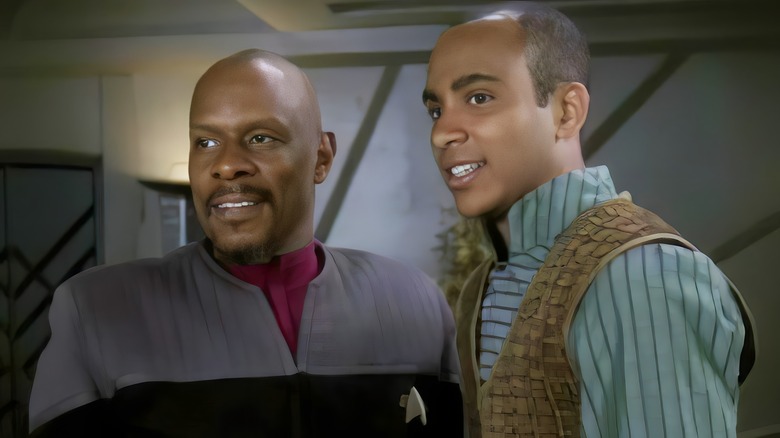
The characters were deeply flawed, incredibly human, and constantly evolving. Benjamin Sisko, the commander who became a prophet? Talk about boldness! The exploration of the Bajoran religion, the Cardassian occupation, the rise of the Dominion – these were complex, mature themes that were handled with a maturity and grit rarely seen in science fiction at the time. It was the show that said, "Hey, space isn't always pretty. And that's okay." It dared to show the consequences, the losses, and the difficult compromises. It was the rebel with a cause, the artist who used a darker palette, the philosopher who wasn't afraid of the uncomfortable truth. For its willingness to tackle the gray areas and its profound impact on character development and overarching narrative, Deep Space Nine takes the cake, or perhaps, the replicated replicated cake.