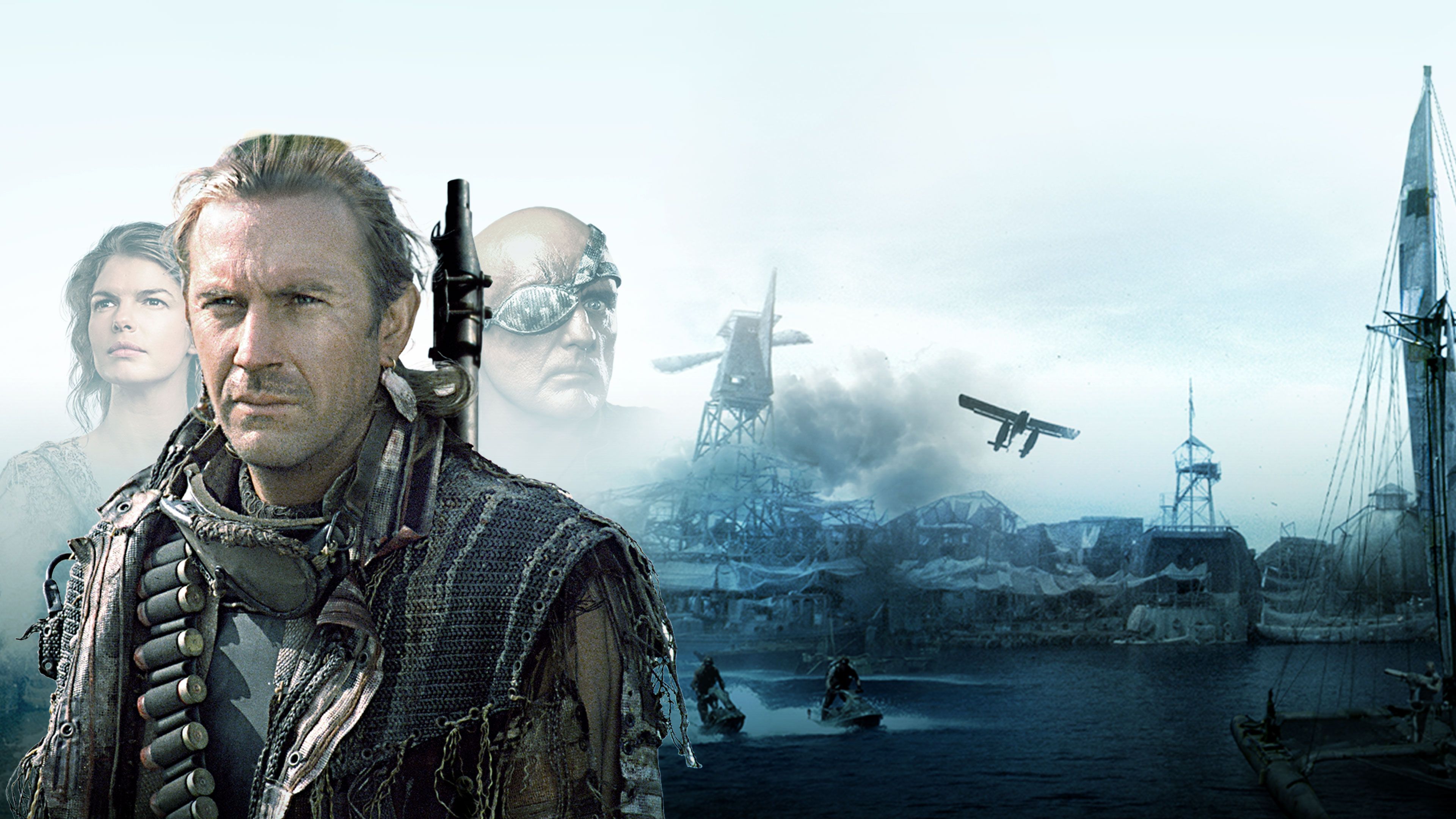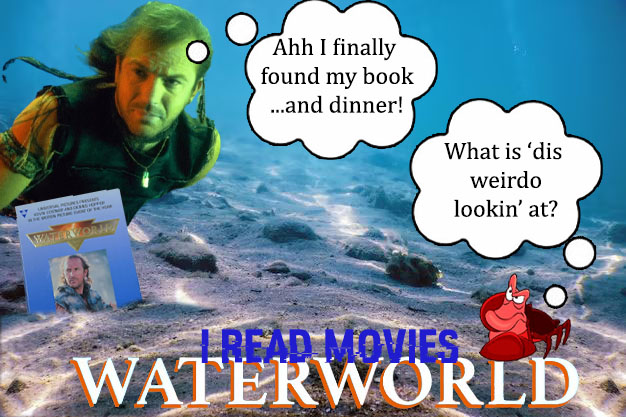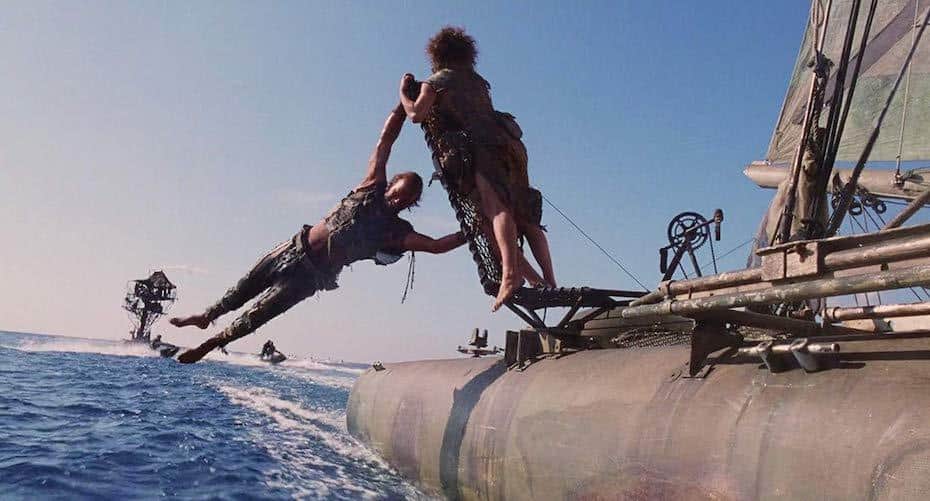
Remember the sheer, unadulterated ambition of it all? Waterworld. A film that dared to ask, "What if the whole planet went for a really, really long swim?" Released in the mid-90s, it arrived with a splash (pun absolutely intended) and a hefty price tag, promising us a post-apocalyptic future where land was a distant, hazy memory. And while the critics might have had their say, and the box office numbers weren't quite the tidal wave they hoped for, there's a certain, dare I say, nostalgic charm to this ambitious flop. It's the kind of movie you can put on during a lazy Sunday, armed with popcorn and a healthy dose of, "Okay, let's see how this plays out again."
The premise itself is a sci-fi goldmine. A future where the ice caps have melted, submerging virtually all of Earth's landmass. Humanity, what's left of it, ekes out an existence on floating structures, makeshift atolls, and of course, the iconic "atoll" – a floating, self-sufficient community. Enter the Mariner, played by a gravelly-voiced Kevin Costner, a drifter with a peculiar adaptation: gills. He’s a lone wolf, trading in salvaged goods and generally keeping to himself, until he stumbles upon a young girl, Enola, who is rumored to possess a map to the mythical dry land.
Now, let’s be honest. Waterworld wasn’t perfect. The narrative could sometimes feel as murky as the post-apocalyptic oceans. The villains, the delightfully menacing Smokers, led by the formidable Dennis Hopper, were a touch over-the-top. And the sheer cost of production became legendary, often overshadowing the actual film itself. It’s a cautionary tale whispered in Hollywood boardrooms about ambition outrunning execution. But even with its flaws, there's a core idea here that resonates. The resilience of the human spirit, the enduring search for hope, even in the bleakest of circumstances – it’s all there, bobbing beneath the surface.
Why it Deserves Another Shot
So, why a reboot? In our current cultural climate, where the specter of climate change looms larger than ever, the themes of Waterworld feel more pertinent, more urgent, than they did back in 1995. We’re living in a world where rising sea levels are no longer a distant sci-fi concept but a present-day reality. A fresh take on this world could explore these issues with more nuance, more depth, and perhaps, a touch more visual fidelity that our modern CGI can now deliver. Think about it: imagine the breathtaking vistas of endless oceans, the intricate details of the floating cities, the visceral thrill of high-speed water chases rendered with today’s technological prowess.
A reboot wouldn't just be about visual spectacle, though. It’s an opportunity to flesh out the world-building. We got glimpses of different societies on the atolls, but what about their unique cultures, their distinct ways of life forged by centuries adrift? A new film could delve into the intricacies of these communities, their hierarchies, their religions, their survival strategies. We could explore the social and political ramifications of such a drastic shift in human existence. What happens to concepts like nation-states? How do new forms of governance emerge? These are fascinating questions ripe for cinematic exploration.
And then there's the Mariner. A character with gills, a survivor, a man who has adapted to a world most of us can barely comprehend. He’s a fascinating archetype. A reboot could explore his origins in more detail, the personal cost of his unique physiology, and his internal struggle with his place in this new world. Is he a relic of the old, or a pioneer of the new? Imagine a more introspective portrayal, a deeper dive into his psyche. It could be a compelling character study set against an epic backdrop.
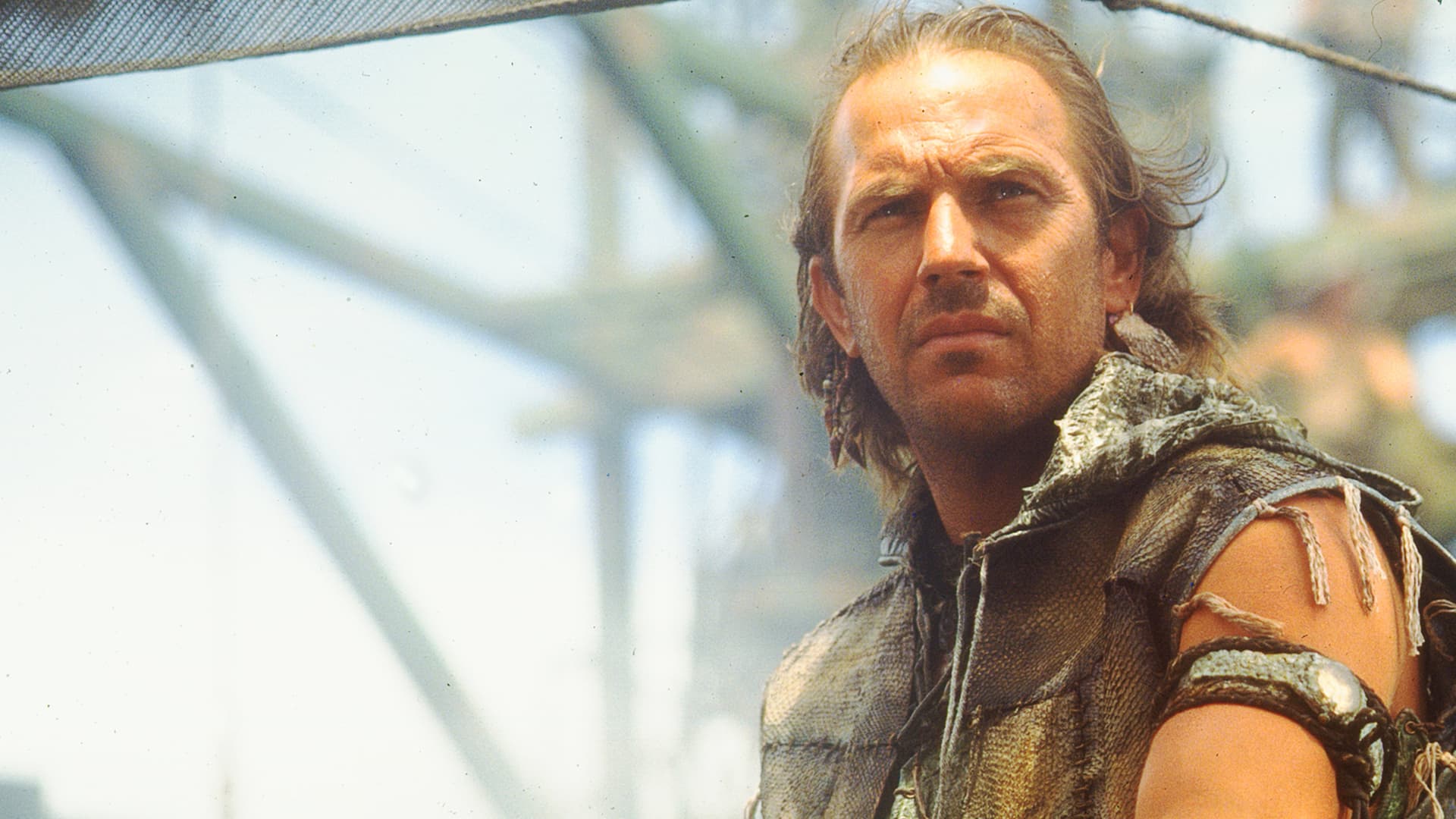
The villains, too, could be reimagined. The Smokers were a bit cartoonish, but the idea of a desperate, resource-hoarding faction preying on the weak is a timeless narrative element. A reboot could make them more grounded, more terrifyingly real. Perhaps they’re not just pirates, but a society that has embraced a more primal, brutal way of life out of necessity, their motivations more complex than simple greed. The clash between their hardened pragmatism and the Mariner’s quiet search for something more could be incredibly potent.
Practical Tips for a Modern Reboot
So, how would we do it right this time? Here are a few pointers for any studio brave enough to dive back in:
- Lean into the Environmental Message (Without Being Preachy): The core of Waterworld is a cautionary tale about our planet. A reboot should acknowledge this, but weave it into the narrative organically. Show, don't just tell. The impact of rising waters, the scarcity of resources – these should be lived realities for the characters, not just plot devices. Think subtle environmental cues, the way characters interact with their limited resources, the constant awareness of the ocean’s power.
- Character is King (and Queen!): While the spectacle is important, a compelling story needs relatable characters. Give us someone to root for, someone whose journey we invest in. The Mariner is a good starting point, but Enola needs to be more than just a damsel with a map. Give her agency, her own arc, her own struggles. And let’s not forget the supporting cast – the inhabitants of the atolls, the various factions vying for survival. They should all feel like real people, with their own hopes, fears, and dreams.
- World-Building is Key: This isn't just about floating villages. It's about a civilization adapting to a radically altered planet. What are their technologies? How do they communicate? What are their art forms? Their music? Their stories? A reboot could create a truly immersive world, rich with detail and cultural depth. Think of the intricate world-building in shows like The Expanse or films like Blade Runner 2049.
- Embrace the Practicality: While CGI is amazing, a touch of practical effects can add a layer of grit and authenticity. Think about the ingenious contraptions the characters would need to survive. Actual boats, salvaged materials, rudimentary engineering – these can make the world feel more tangible and believable. And let’s not forget the sheer physicality of living on water – the constant sway, the salt spray, the unpredictable weather.
- Casting the Right Talent: This is crucial. The Mariner needs to be more than just a tough guy. He needs gravitas, a certain world-weariness, and an underlying humanity. And Enola needs to be more than just a child; she needs to embody resilience and hope. The villains need to be menacing but also have a twisted logic to their actions.
Fun Facts and Cultural Echoes
Did you know that Waterworld was famously called "Fishtar" by its detractors? Ouch. It was also one of the first major films to be heavily impacted by the rise of the internet, with early online communities buzzing with speculation and criticism even before its release. It was a true harbinger of the 24/7 news cycle and fan engagement we see today.
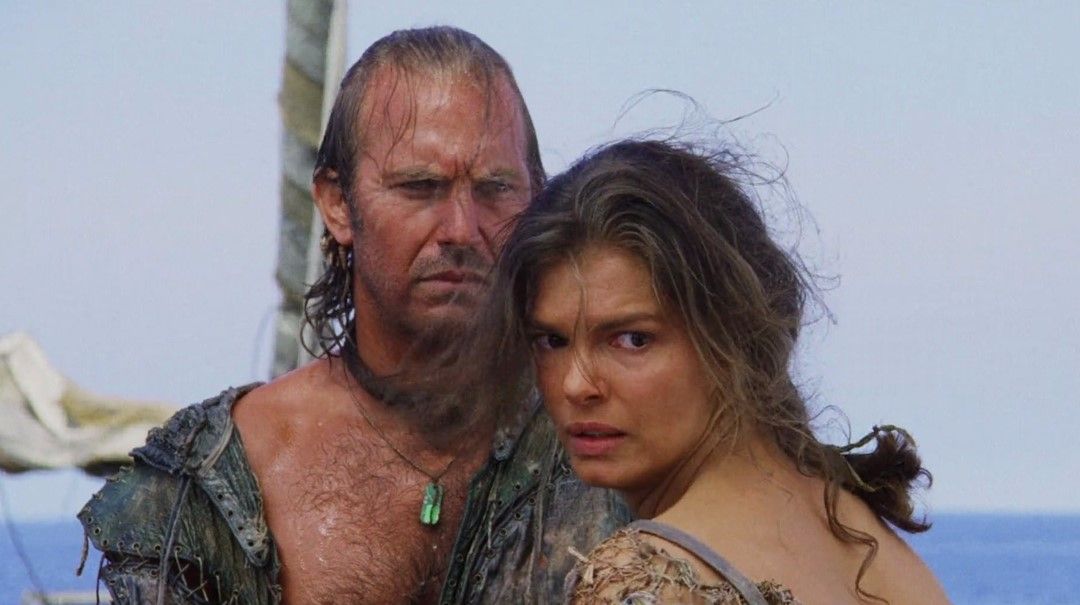
Culturally, Waterworld tapped into a nascent anxiety about environmental collapse that was brewing in the 90s, a hangover from the Cold War fears and a dawning awareness of our impact on the planet. It's a film that, in retrospect, feels like it was ahead of its time, even if it didn't quite hit the mark.
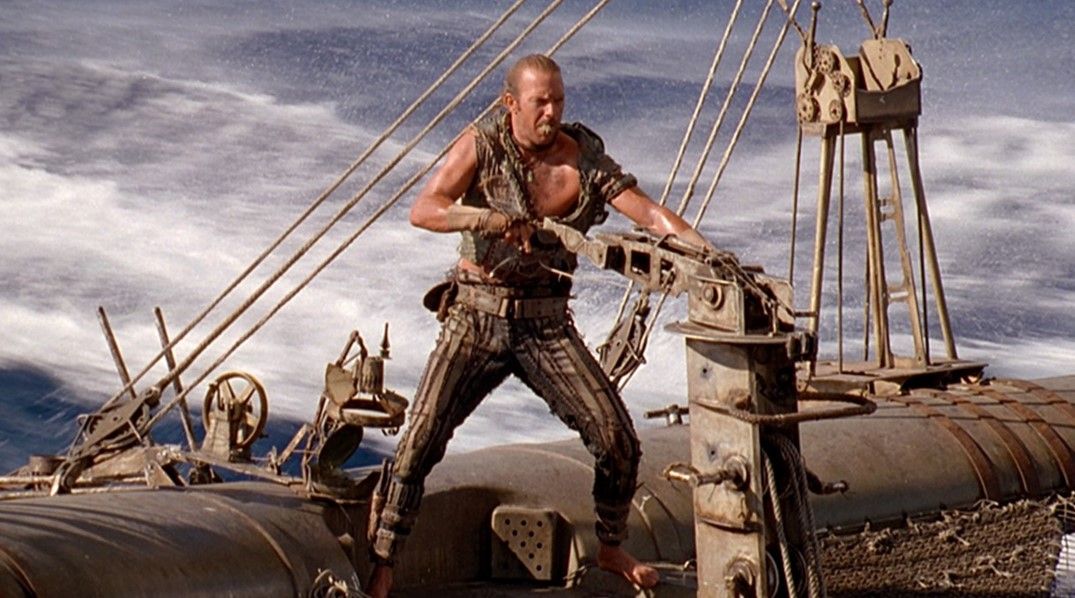
And let’s talk about those iconic trimarans! The visual of those sleek, wind-powered vessels cutting through the waves is undeniably cool. A reboot could take that aesthetic and run with it, designing even more innovative and visually stunning modes of transport for this waterlogged world.
Think about the influence it’s had. While not a critical darling, elements of its visual design and post-apocalyptic aquatic setting have subtly seeped into other media. It’s become a benchmark, a reference point for ambitious, world-building sci-fi that isn’t afraid to dream big, even if it stumbles along the way. It’s the cinematic equivalent of that ambitious, slightly wonky art project you created in high school – flawed, perhaps, but full of passion and a certain undeniable spirit.
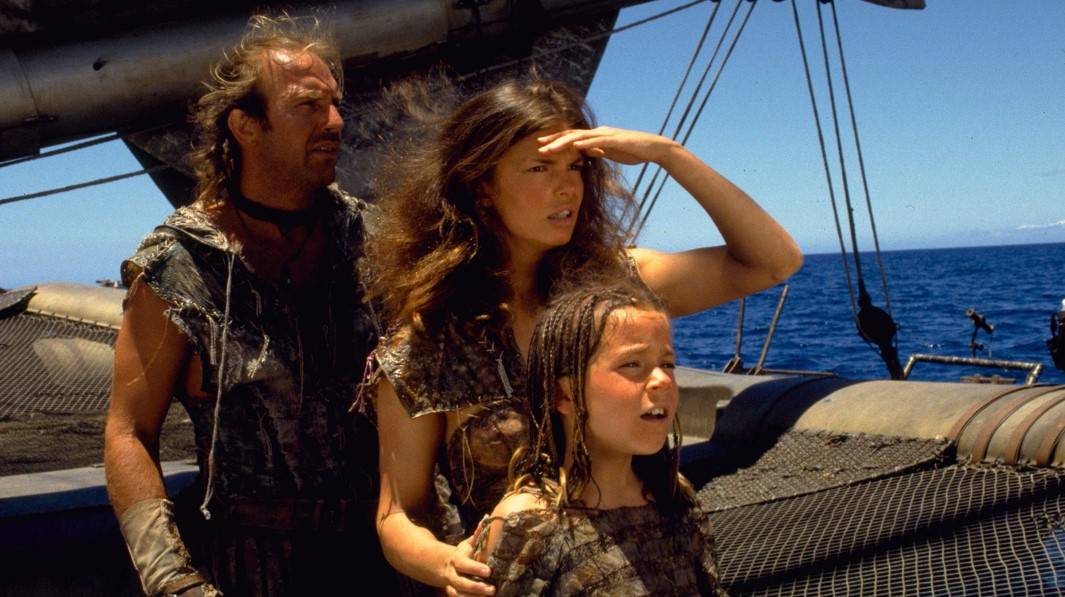
The idea of a world completely dominated by water is a powerful one. It strips away our familiar landscapes and forces us to confront our reliance on the land, on the resources we often take for granted. It’s a stark reminder that our current way of life is not immutable, and that change, even dramatic change, is always a possibility.
Imagine the possibilities for merchandise! Reusable water bottles, stylish waterproof jackets, even miniature atoll playsets – the commercial potential is as vast as the oceans it depicts. A smart marketing campaign could capitalize on the film’s legacy while introducing it to a new generation.
The sound design alone could be incredible. The roar of the ocean, the creak of the floating structures, the hiss of steam from the Smokers’ vessels – a modern soundscape could truly immerse the audience in this waterlogged world.
And the music! A haunting, epic score would be essential to capture the vastness of the oceans and the emotional journey of the characters. Think Hans Zimmer meets Ennio Morricone, with a touch of oceanic ambience.
The core appeal of Waterworld, despite its shortcomings, lies in its sheer scale and its fundamental exploration of what it means to be human when faced with overwhelming environmental adversity. It’s a story about survival, yes, but it’s also a story about community, about hope, and about the enduring drive to find something better, something more, even when the world seems to have lost everything.
A Reflection for Our Times
In our daily lives, we often get caught up in the mundane. The commute, the deadlines, the endless scroll of social media. We take for granted the solid ground beneath our feet, the predictability of our routines. But just like the Mariner navigating treacherous currents, we too face our own storms. Sometimes, it’s personal challenges, sometimes it’s the larger anxieties of the world we inhabit.
Perhaps the lesson from a revived Waterworld, a story about rebuilding and adapting in a world transformed, is that even when our familiar landscapes shift, even when the tides of life throw us off course, there’s always a possibility for innovation, for resilience, and for the enduring human spirit to find a way forward. We can learn from our past, both in cinema and in life, and sometimes, a good old-fashioned, ambitious flop can remind us of what truly matters: the search for dry land, for connection, and for a glimmer of hope on the horizon, no matter how vast the ocean may seem.