I remember the first time I saw The Texas Chain Saw Massacre. I was maybe 13, way too young, convinced by my older brother and his friends that it was just a slasher flick. They’d clearly seen it before, giggling at the parts that made me genuinely want to burrow under my bed and never come out. The raw, visceral terror, the sheer wrongness of it all, it stuck with me. Even now, decades later, the squeal of that chainsaw, the unsettling silence punctuated by screams… it’s etched into my brain.
And that’s the funny thing, isn’t it? How a movie, even one that made you feel like you’d personally witnessed something awful, can linger? It’s the mark of something that, for better or worse, made an impact. But when you’ve got a franchise that’s been chugging along for nearly fifty years, spawning sequels, prequels, remakes, and even reboots (yes, they are different things, aren't they?), you have to start asking yourself: is this impact still as potent? Or are we just… milking the cow dry, to use a slightly more relevant, albeit less terrifying, analogy?
So, the big question, the one that’s been rattling around in my head like a loose bolt on a rusty saw: Is it time to finally put Leatherface and his delightfully deranged family to rest?
The Enduring Allure of the Saw
Look, I get it. There’s a primal fear that The Texas Chain Saw Massacre taps into. It’s not just about gore (though, let's be honest, there’s plenty of that). It’s about the breakdown of normalcy, the intrusion of the utterly bizarre into the mundane. A road trip gone wrong, a gas station stop, and suddenly you're face-to-face with a family that clearly missed the memo on social graces. It’s the ultimate “wrong place, wrong time” scenario, amplified to eleven.
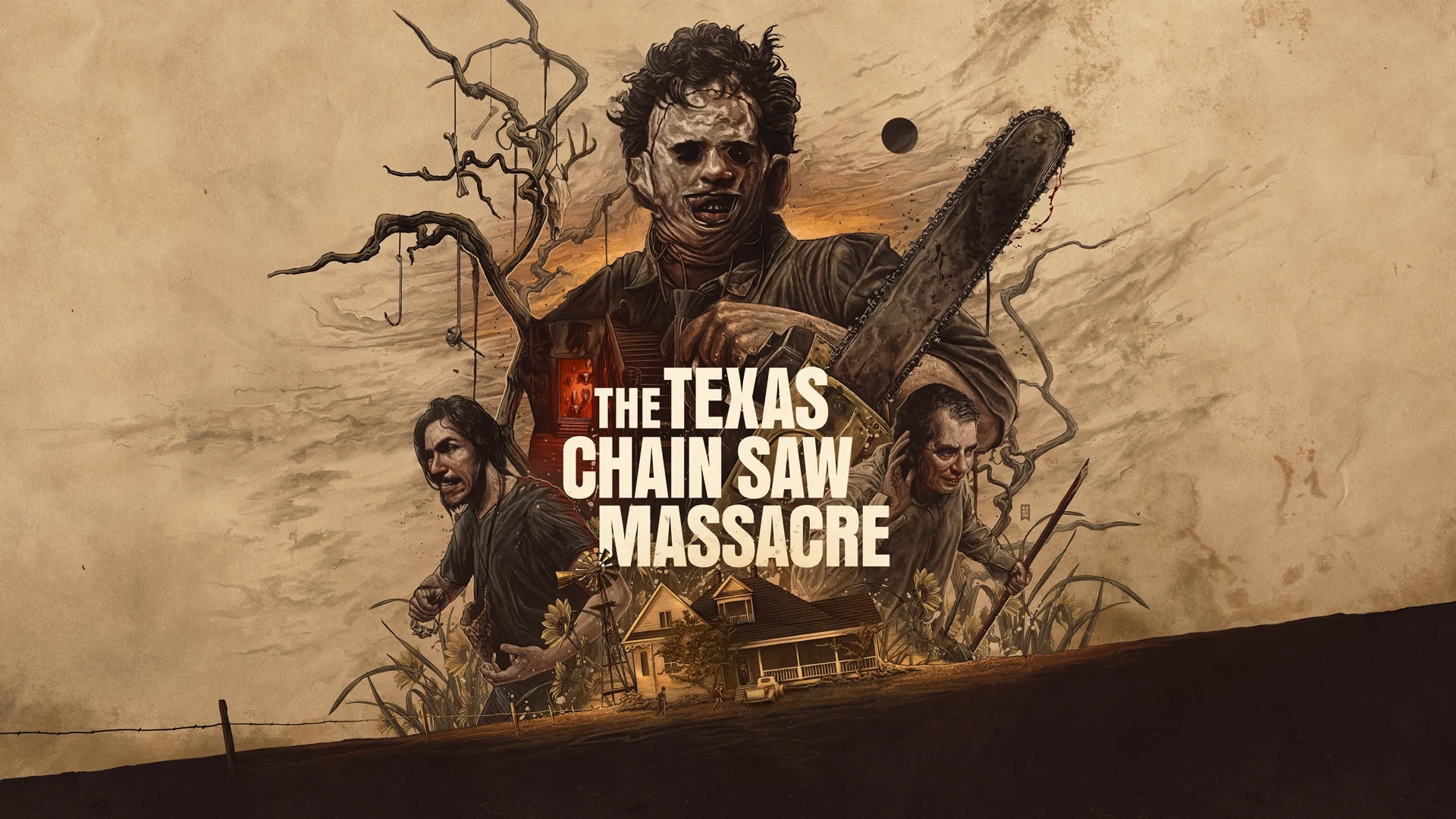
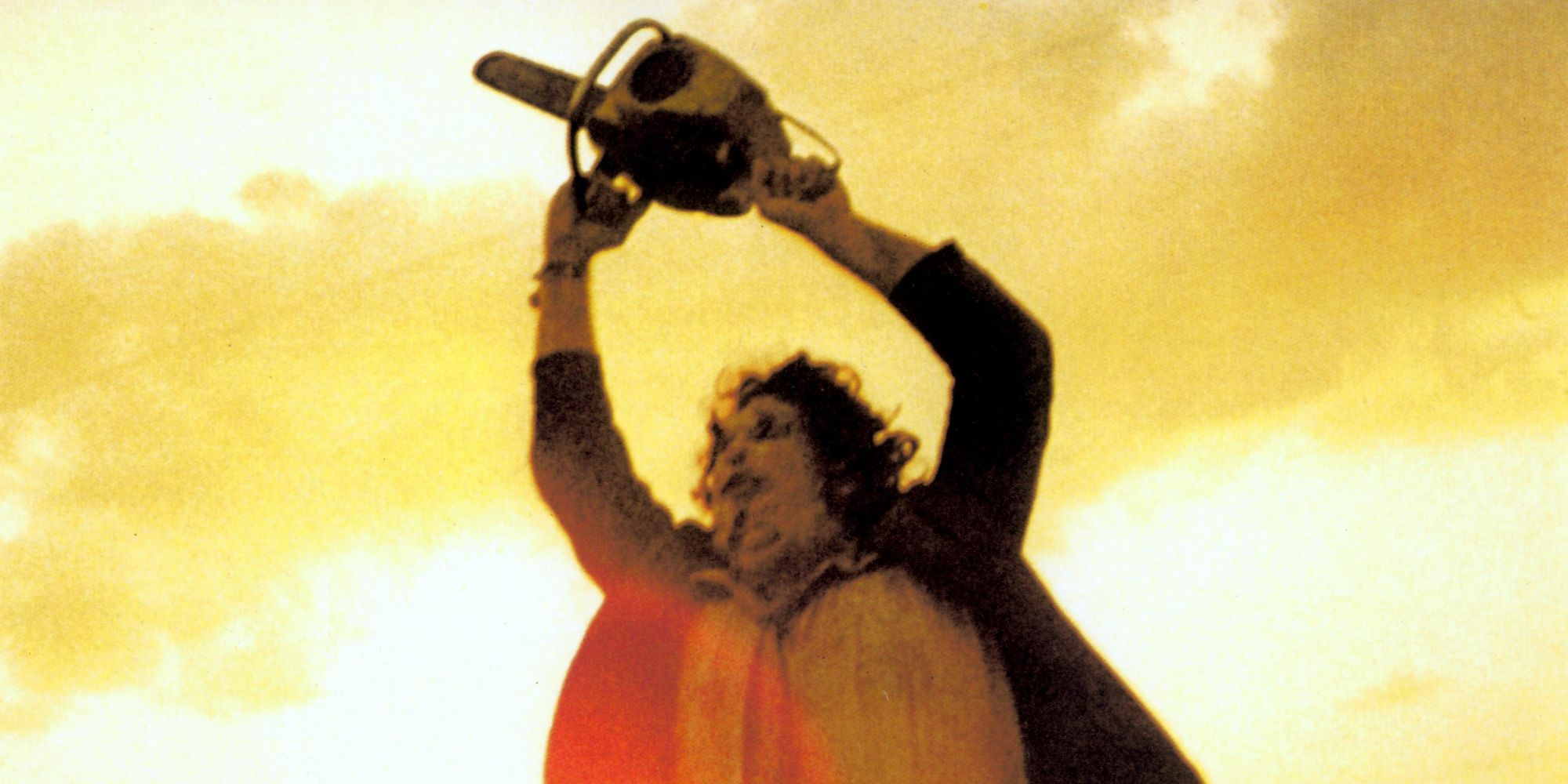
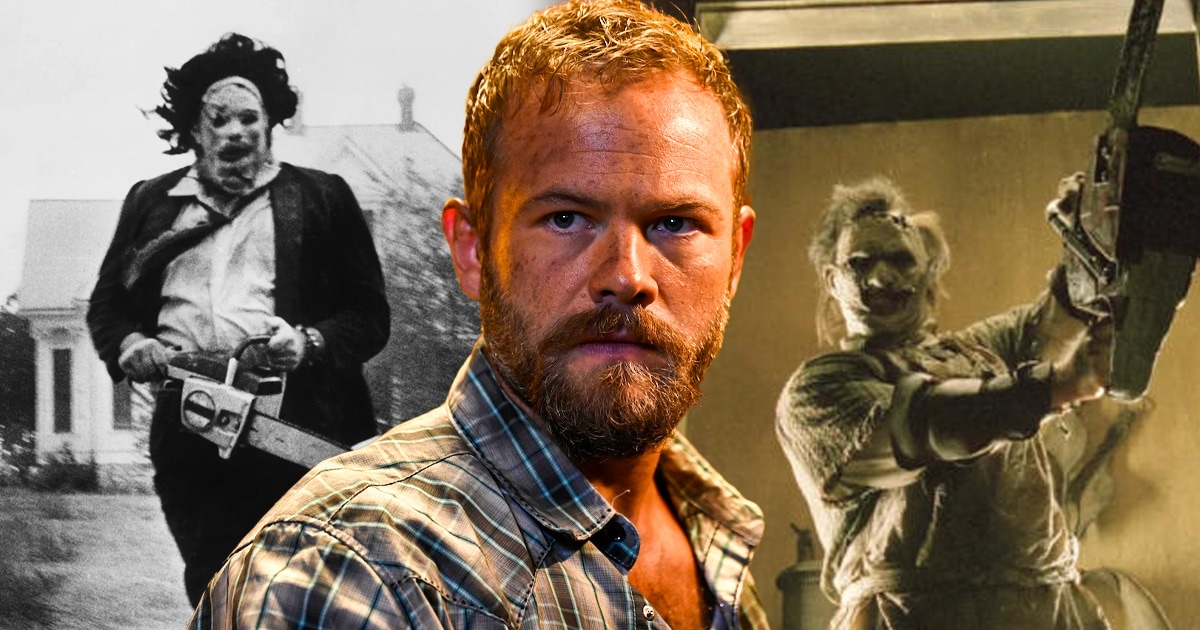
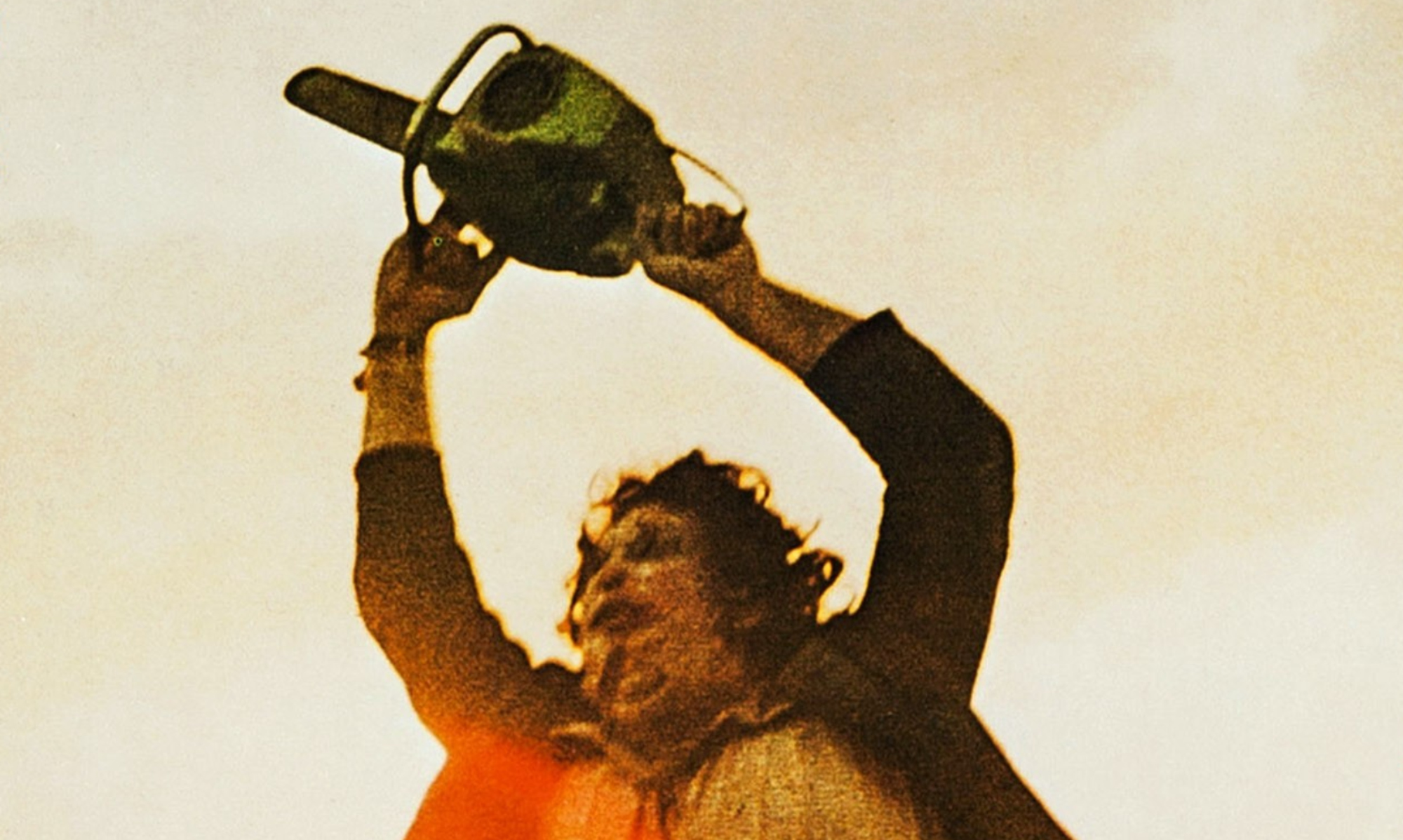
And Leatherface himself? He’s become an icon. A mute, lumbering force of nature, driven by… well, what is he driven by, exactly? That ambiguity is part of his creepy charm. Is he a victim of his family? A monster through and through? The mask, ever-changing, reflecting different faces and moods, is a stroke of genius. It’s like he’s wearing the skins of his victims, a truly horrifying metaphor for the trauma and violence inflicted upon them.
The original 1974 film by Tobe Hooper is a masterpiece of low-budget horror. It’s gritty, it’s unsettling, and it achieves a level of terror that many bigger-budget films can only dream of. It felt real, in a way that still shocks today. That authenticity is a powerful thing, and it’s what spawned this whole sprawling universe.

The Law of Diminishing Returns (and Chainsaws)
But then came the sequels. Oh, the sequels. And the prequels. And the reboots. It’s like a recurring nightmare, isn’t it? Every few years, we get another go-around with the Sawyer clan. And while some have been… dare I say… interesting (I’m looking at you, Texas Chainsaw 3D, for its sheer audacity), most tend to tread water, rehashing the same basic premise with diminishing returns.
Think about it. How many times can you watch a group of unsuspecting young adults stumble upon a terrifying family in the middle of nowhere? How many variations on the chainsaw chase scene can there be before it starts to feel… repetitive? It’s the cinematic equivalent of eating the same comfort food meal over and over. It might still be satisfying for a while, but eventually, you’re craving something new.
The franchise has tried to reinvent itself, bless its heart. We’ve had stories that explore Leatherface’s origin, trying to humanize him (which, in my humble opinion, is a bit like trying to find empathy for a blender with a bloodlust). We’ve had attempts to modernize the story, bringing in new technologies and social commentary. And while I appreciate the effort, it often feels like they’re trying to force a square peg into a round hole. The magic of the original was its raw, unfussy terror. When you start adding too much backstory or trying to be too clever, you risk losing that visceral punch.

The Ghostface Dilemma (But With More Chainsaws)
It reminds me a bit of the Scream franchise. Scream, for a while, was brilliant. It deconstructed the slasher genre, it was meta, it was self-aware. But even Scream started to feel a little tired after a few installments. The key difference, though, is that Scream always had a sense of humor and commentary. Texas Chainsaw, at its core, is just… grim. And while grim can be effective, it’s harder to sustain that level of dread without becoming exhausting.
The problem with a franchise that’s so iconic is that there’s a lot of pressure to deliver on the established mythology. Fans want to see Leatherface, they want to see the family, they want that familiar dread. But the very things that make it iconic are also the things that make it difficult to innovate. You can’t exactly have Leatherface join a support group and work through his issues without completely shattering the illusion, right?
And let’s not forget the endless parade of new victims. While it’s the nature of the genre, it does start to feel a bit like watching a conveyor belt of doomed characters. There’s a point where the audience becomes desensitized, where the fear is no longer about the individual peril, but just the general inevitability of it all.

A Legacy Worth Preserving?
Perhaps the issue isn't that the franchise can't be good anymore, but rather that its best days might be behind it. Sometimes, the most powerful thing you can do with a beloved story is to let it stand on its own, to let its legacy be defined by its initial impact. Imagine if the Star Wars sequels hadn't happened. Would the original trilogy feel less special? Probably not. It would just exist as this perfect, contained entity.
The danger of overexposure is real. When you keep churning out content, no matter how good it is, you risk diluting the original impact. The iconic image of Leatherface becomes less terrifying and more… familiar. It’s like seeing the same painting in a thousand different gift shops; it loses its power to shock and awe.
Could they do something truly groundbreaking with the franchise? Maybe. Perhaps a complete, radical reinvention that ditches the familiar tropes and explores new avenues of terror. But is that a risk they're willing to take? Or is it safer to stick to the tried-and-true formula, even if it means delivering a product that’s more of a rehash than a revelation?
When Enough is Enough
I’m not saying this out of spite. I genuinely admire what Tobe Hooper and Kim Henkel created back in the day. It was a lightning-in-a-bottle moment. But sometimes, trying to recapture that lightning feels like trying to catch smoke. You can chase it, you can wave your arms around, but it’s just going to dissipate.
Think about it, how many more times do we need to see a chainsaw revving towards a terrified protagonist? How many more variations on the "family dinner" scene? The scares, the shock value, the sheer terror that defined the original… it’s getting harder and harder to replicate that without resorting to increasingly elaborate or gratuitous displays of violence. And even then, does it still land with the same gut-punching impact?
Ultimately, I think there’s a case to be made for a respectful retirement. Let Leatherface be the legend he is, a terrifying specter of the past. Let the original film stand as a monument to its time and its genre. Because sometimes, the greatest respect you can show a masterpiece is to let it be a masterpiece, without constantly trying to add new brushstrokes to a canvas that’s already perfect.
It’s a tough call, I know. The allure of the dollar sign, the passion of dedicated fans, the sheer inertia of a long-running franchise… these are all powerful forces. But for the sake of preserving the chilling legacy of that initial terror, I’m starting to lean towards a resounding, perhaps even chainsaw-induced, no more.