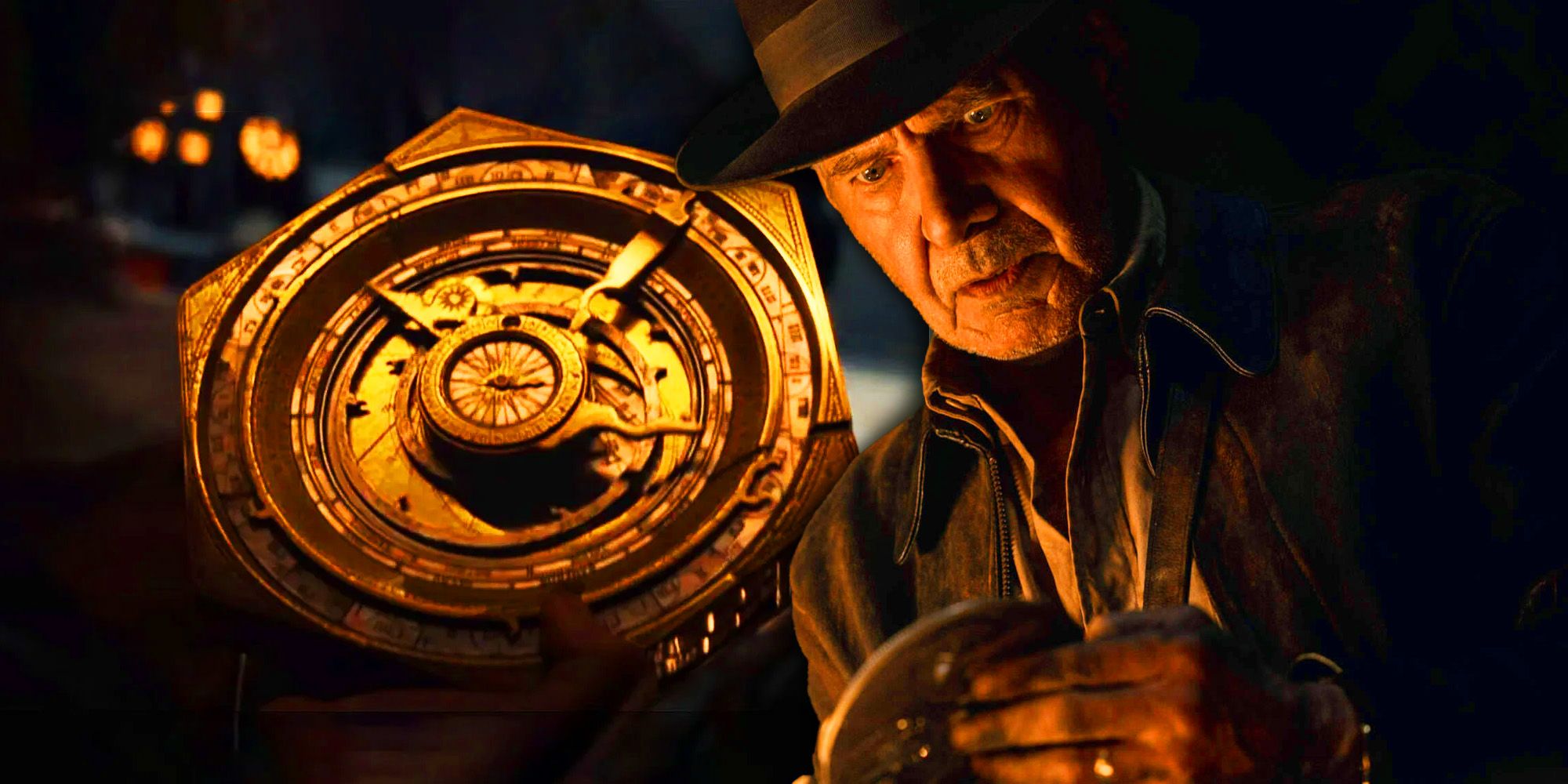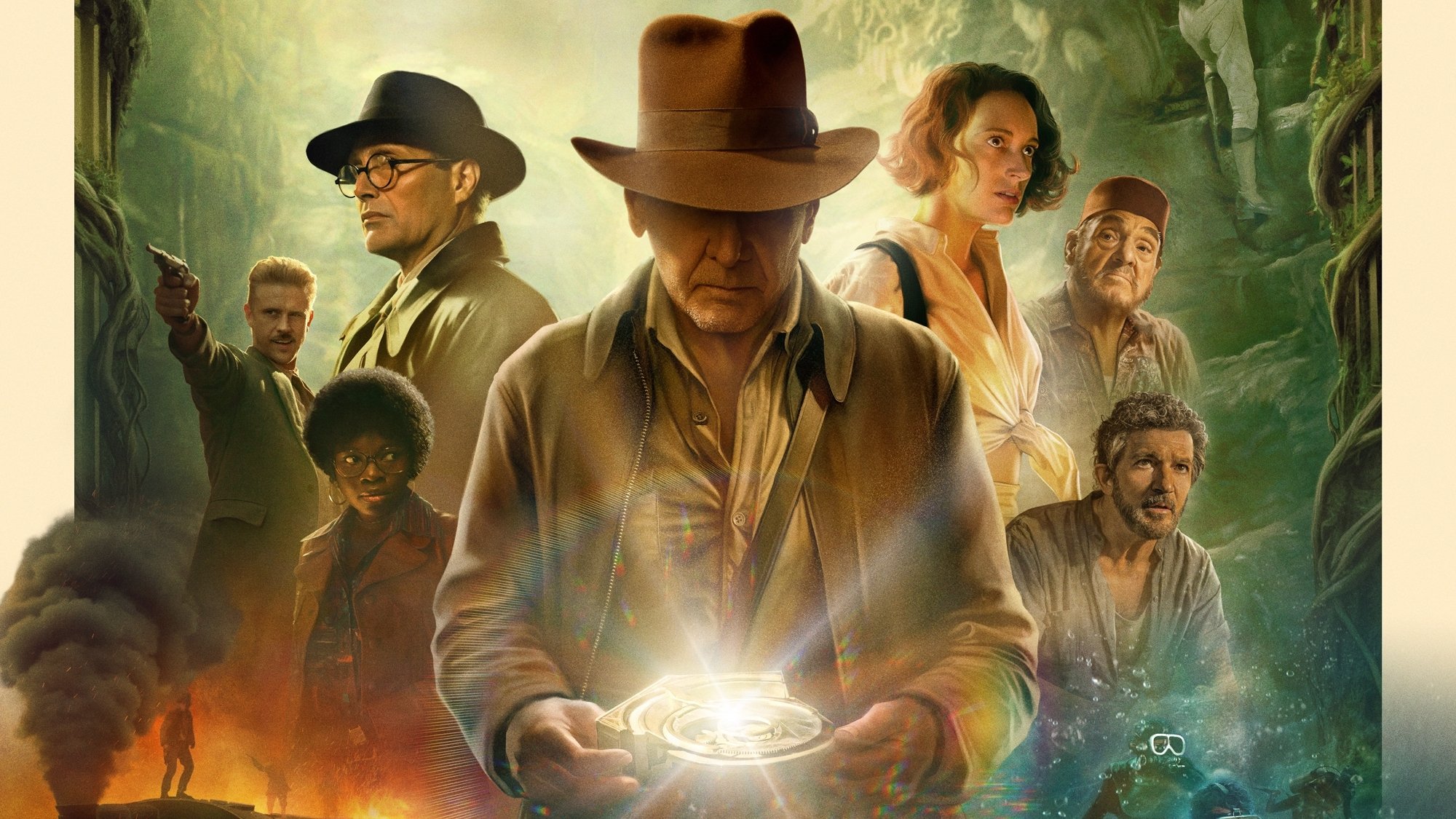
So, I was at a friend's barbecue last weekend, you know, the kind with questionable grill skills and a playlist that bounces from 80s power ballads to whatever's currently topping the TikTok charts. Someone – probably after a third lukewarm lager – brought up the new Indiana Jones movie, Dial of Destiny. And then, as often happens at these gatherings when a recent blockbuster is involved, the conversation devolved into that familiar, slightly weary, "Yeah, but is it good?" debate. It got me thinking, because that question, surprisingly, isn't just about one specific movie. It’s about so many of them, isn't it?
It feels like we’re drowning in these enormous, expensive, meticulously crafted spectacles, and yet, so many of them leave us with a feeling of… well, meh. Dial of Destiny, bless its archaeological heart, felt like a poster child for this phenomenon.
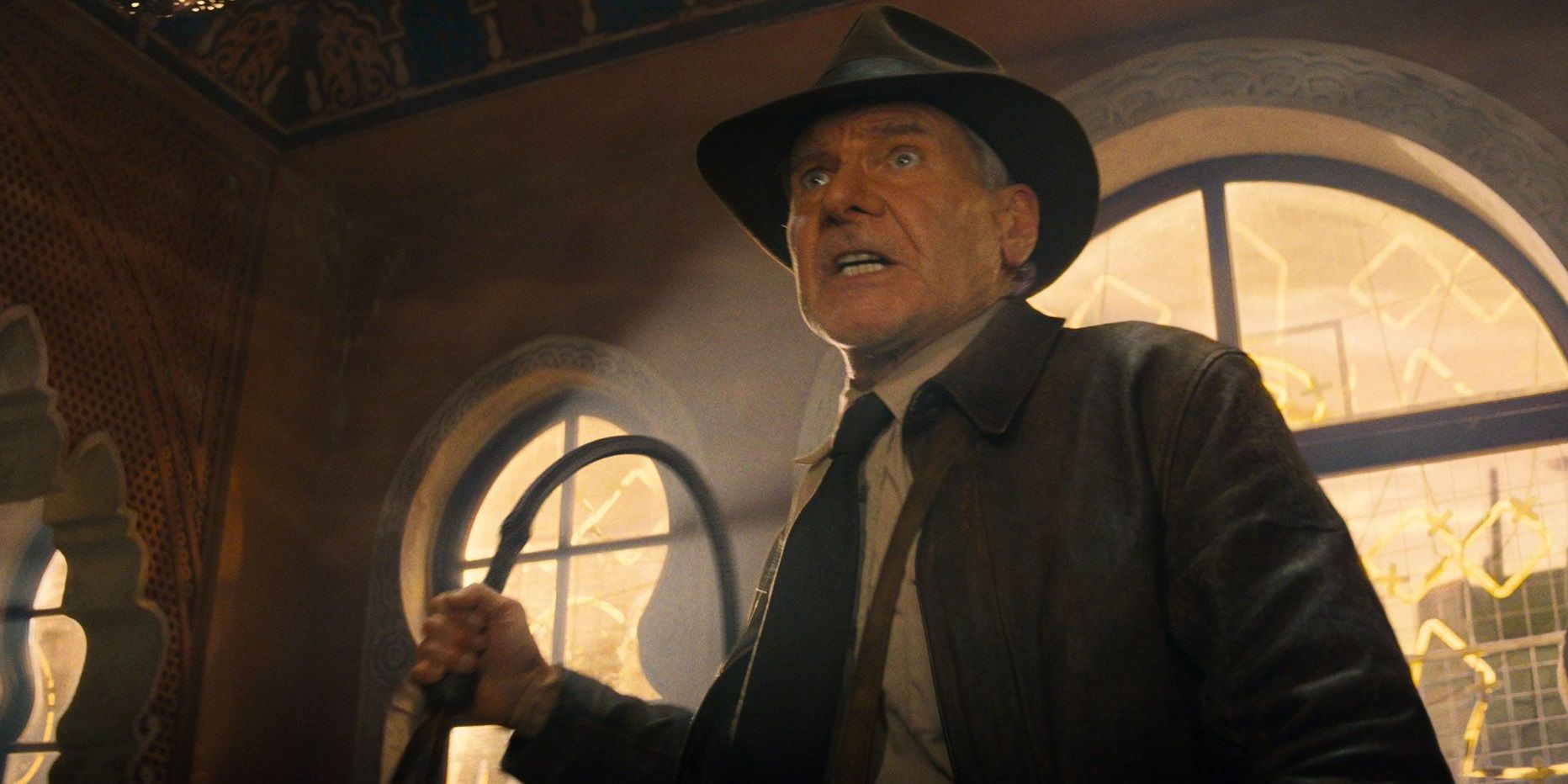
Don't get me wrong, I wanted to love it. I really did! I grew up with Indiana Jones. The fedora, the whip, the sheer, unadulterated sense of adventure – it's etched into my cinematic DNA. Seeing Harrison Ford, looking pretty darn good for someone who’s probably seen more ancient ruins than most historians, back in the saddle was supposed to be a triumphant return. And for a little while, it is! There are moments, fleeting glimpses, of that classic Indy charm.
But then you start noticing the cracks. It’s like looking at a beautiful ancient vase, and then you spot the superglue holding it together. The plot, for one. It’s got all the ingredients: a MacGuffin (the titular Dial, naturally), a dastardly villain (Mad Mikkelsen doing his best sneering Nazi impression), and a race against time. But it all feels so… familiar. We’ve seen this movie before, haven’t we? Or at least variations of it. The stakes are high, the world is in danger, but the journey there feels predictable. There are very few surprises, and when they do happen, they often feel a little forced, a little telegraphed.
And that's where the problem with most blockbusters really kicks in, you see. They’re built on formulas. They’re designed by committees, tested by focus groups, and polished until every rough edge is smoothed away. This is done, presumably, to maximize appeal, to avoid alienating any potential ticket-buyer. But in doing so, they often strip away the very things that make a movie interesting: originality, risk, and genuine emotional resonance.
Think about it. How many times have we seen a hero, clearly past their prime but still surprisingly spry, reluctantly pulled back into one last mission? How often is the villain motivated by a simple lust for power or a twisted ideology that we’ve heard a million times? How many times does the fate of the world (or at least a significant chunk of it) hinge on a mystical artifact that nobody quite understands until the final act?
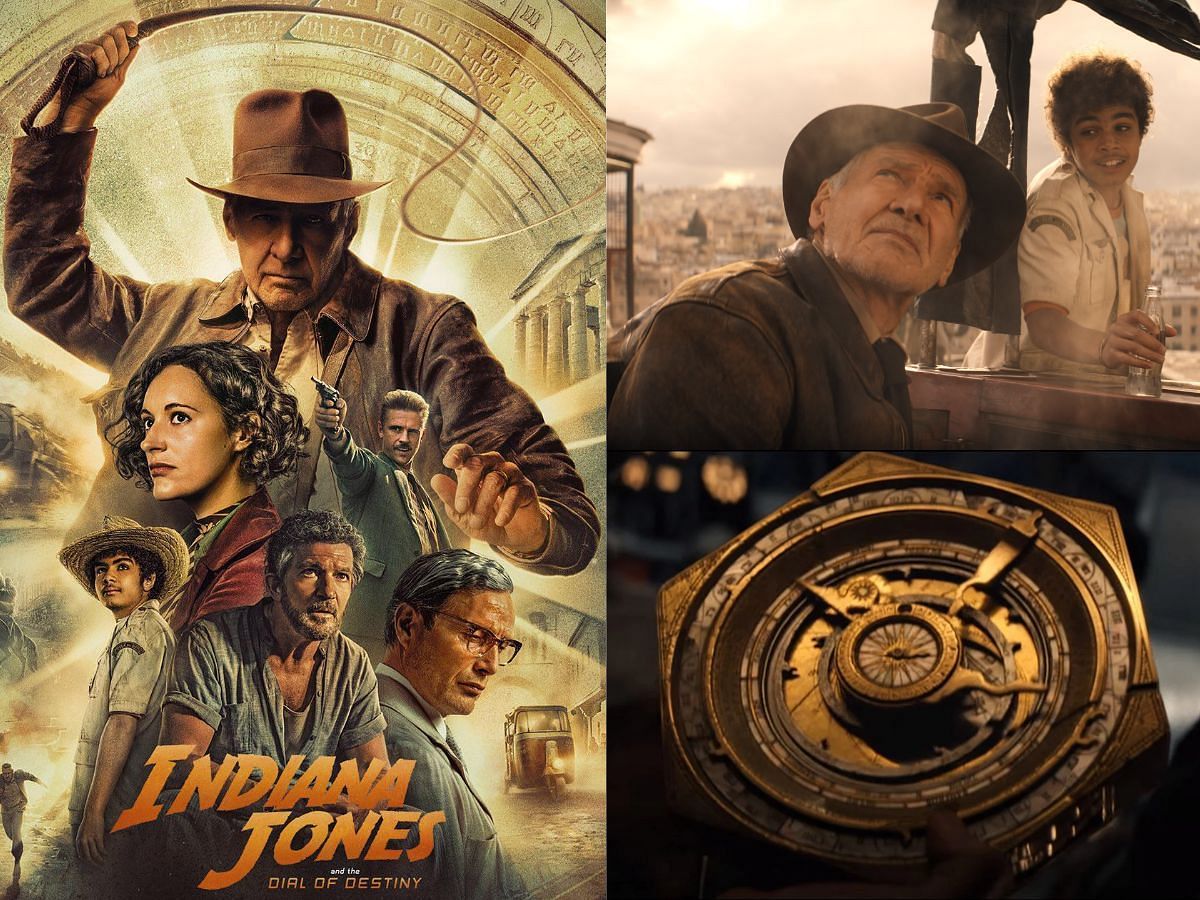
Dial of Destiny leans heavily into these tropes. It’s not a bad thing to employ established narrative structures, of course. Storytelling is built on archetypes. But when those archetypes become rigid boxes that the story has to tick, without any real innovation or daring, it becomes… well, bland. It becomes expected. And in the age of streaming, where we have an endless buffet of content at our fingertips, expected doesn't always cut it anymore.
The CGI, too. Oh, the CGI. I know, I know, it's the backbone of modern blockbusters. And when it's good, it's really good. There are some breathtaking sequences in Dial of Destiny, don't get me wrong. The opening chase sequence, for instance, is visually stunning. But then there are moments where it feels… off. Almost too clean, too perfect. The de-aging of Harrison Ford, while technically impressive, also creates this uncanny valley effect that can be a little distracting. It’s like watching a really well-made video game cutscene, which is cool, but it’s not the same visceral thrill as seeing a real person sweat and strain.
This reliance on digital trickery often sacrifices practical effects and the groundedness that made earlier films feel more tangible. Remember the sweat on Indy’s brow as he narrowly dodged that giant boulder? That felt real. Sometimes, with the sheer volume of CGI, you lose that sense of physical jeopardy. It's all so polished, so seamless, that it can paradoxically feel less impactful. It's like eating a perfectly engineered, flavorless protein bar instead of a slightly messy, but incredibly satisfying, home-cooked meal.
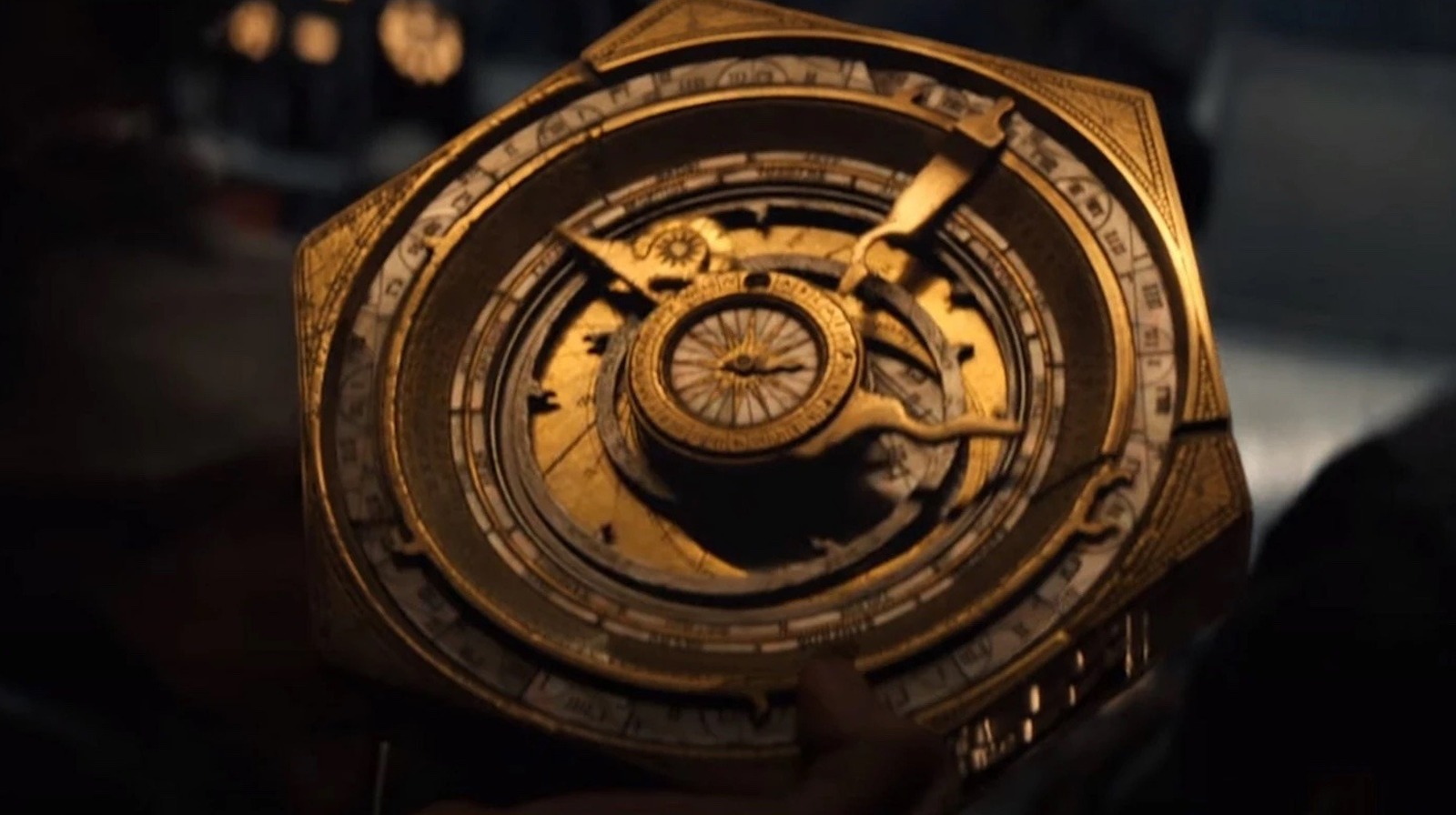
And the pacing! Blockbusters are often about relentless forward momentum. Which is great when the story justifies it. But in Dial of Destiny, there are stretches where it feels like they're just going through the motions, hitting all the expected beats without adding much new flavor. It's like a greatest hits album where you know every song, and while they're all good, you’re secretly hoping for a new track to blow you away. Instead, you get a slightly different arrangement of "Raiders March."
This isn’t to say that Dial of Destiny is a terrible movie. Far from it. It’s entertaining. It’s a decent way to spend a couple of hours. But that's the problem, isn't it? "Decent" and "entertaining" are the new benchmarks for so many of these colossal productions. We’re not aiming for groundbreaking or deeply moving anymore. We're aiming for a safe, familiar, and ultimately forgettable experience.
The core issue, I think, is the de-risking of the blockbuster. Studios pour hundreds of millions of dollars into these films, and the pressure to recoup that investment is immense. This leads to a cautious approach. They’d rather make a movie that appeals to the widest possible audience, even if it means making it a bit generic, than risk making something that might be divisive but also potentially brilliant. They're afraid of alienating the casual viewer who might be expecting a certain kind of experience. And in doing so, they often fail to truly excite or challenge anyone.

It’s the echo chamber of creative decision-making. They look at what worked before, what was popular, and they replicate it. They analyze audience data, box office trends, and award show trends. It’s a highly analytical, data-driven process, which is fantastic for optimizing efficiency, but not so great for fostering genuine artistic expression. The wild card, the spark of genius, the unexpected twist – those are often the first things to be sacrificed on the altar of marketability.
Take the villain, for instance. Mad Mikkelsen is a fantastic actor. He can bring such depth and menace to a character. But here, he's given a fairly standard "evil genius" role. There's no real exploration of his motivations beyond the usual power grab. Compare that to, say, the complexity of Scar in The Lion King (a more traditionally animated film, but still a blockbuster for its time) or even the nuanced evil of Ozymandias in Watchmen. Those villains felt like they had more going on beneath the surface, even if their actions were horrific.
And the supporting characters! They’re often there to serve a purpose in the plot, to deliver exposition, or to provide comic relief. They’re rarely given the depth or agency to become characters in their own right. Helena Shaw, for example, played by Phoebe Waller-Bridge, is a decent enough character, but she often feels more like a plot device than a fully realized person. You want to see her shine, but she’s often tethered to Indy’s journey, rather than forging her own path.

It’s a shame because, as an audience, we’re capable of more. We can handle complexity. We can appreciate originality. We don’t always need a perfectly polished, safe, predictable experience. Sometimes, we want a movie that takes us by surprise, that makes us think, that stays with us long after the credits roll. A movie like Raiders of the Lost Ark, in its day, felt fresh and exciting. It wasn't afraid to be a little rough around the edges. It had a sense of genuine danger and a hero who felt human, flaws and all.
Dial of Destiny, for all its spectacle and its star power, feels like a product of its time in the worst way. It’s a testament to what can be achieved technically, but it’s also a stark reminder of the creative compromises that are often made in the pursuit of maximum commercial success. It’s a good movie, sure, but it's also a prime example of how the blockbuster machine, when left unchecked, can become a factory for perfectly adequate, yet ultimately uninspiring, entertainment.
So, next time you’re at that barbecue, and the conversation turns to the latest cinematic behemoth, remember Dial of Destiny. It’s a fun ride, a nostalgic trip, but it also serves as a gentle, perhaps slightly ironic, reminder of what we might be missing out on when the pursuit of profit outweighs the courage to innovate. And that, my friends, is a puzzle even Indiana Jones might struggle to solve.