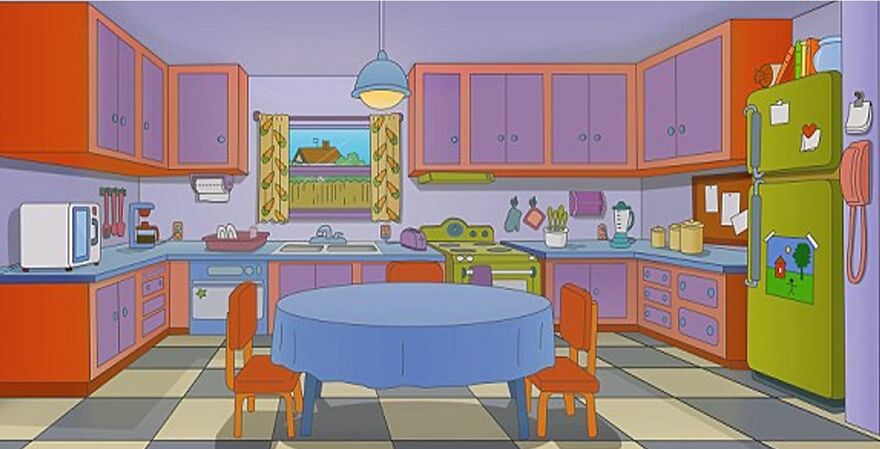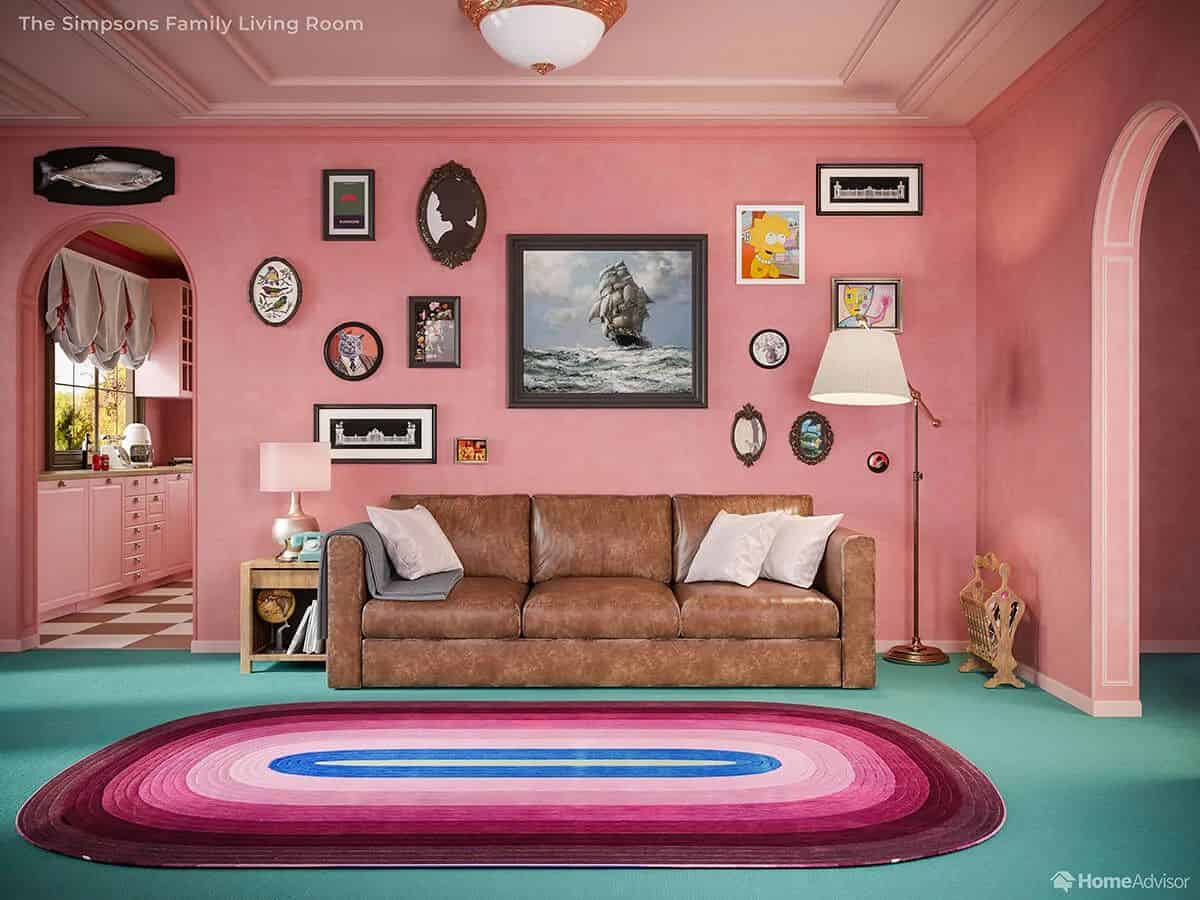
Imagine Homer Simpson, not in his usual yellow, but a muted, dusty rose. Imagine Marge, her blue beehive now a perfectly symmetrical, pale lavender. This isn't your grandma's The Simpsons. This is The Simpsons, reimagined by the one and only Wes Anderson.
Think about it. Wes Anderson is known for his super-stylized worlds. Everything is just so. His movies feel like elaborate dollhouses, packed with quirky characters and a melancholic charm. Now, picture Springfield with that same meticulous care.
The colors would be different, for sure. Gone is the bold, bright yellow. We'd see a palette of faded pastels and earthy tones. Think mustard yellows, soft teals, and muted burgundies. The Kwik-E-Mart wouldn't be a garish red and white. It might be a charmingly faded awning over a building painted in a shade of pale apricot. Apu would wear a perfectly tailored, slightly too-small vest.
And the characters! Oh, the characters. Homer, instead of his usual slobbish attire, might sport a tweed blazer with elbow patches, even when he's watching TV. His "D'oh!" might be delivered with a sigh that carries the weight of a thousand unfulfilled dreams, rather than just frustration. He'd still love donuts, of course, but they might be artisanal, perhaps with a sprinkle of sea salt.
Marge's blue hair? It would be an iconic, pastel hue, sculpted into a gravity-defying masterpiece. Her pearls? Perfectly matched, perhaps a bit iridescent. She'd still be the heart of the family, but her sighs of exasperation would be delivered with a quiet dignity, her knitting needles clicking with a rhythmic, almost hypnotic sound. Her iconic dress would be a muted, almost dusty, lavender.
Bart, the rebellious son, would still be a troublemaker. But his mischief would have a certain flair. Instead of spray paint, he might be using vintage stencils and custom-mixed inks. His slingshot would be made of polished wood. He'd wear a striped shirt, of course, but the stripes would be perfectly spaced and perhaps a little off-kilter. His catchphrase, "Eat my shorts!" would be delivered with a wistful shrug.
Lisa, the intelligent and often angsty middle child, would be even more so. Her saxophone solos would be filled with a profound, almost unbearable sadness. She'd wear carefully chosen, slightly vintage-inspired outfits, her brow perpetually furrowed in thought. Her environmental activism would be expressed through delicately drawn posters and meticulously researched pamphlets.
Maggie, the silent baby, would communicate through expressive glances and perfectly timed props. Perhaps she'd have a tiny, custom-made pacifier with a miniature monocle attached. Her world would be observed with the wide, knowing eyes of a tiny philosopher.

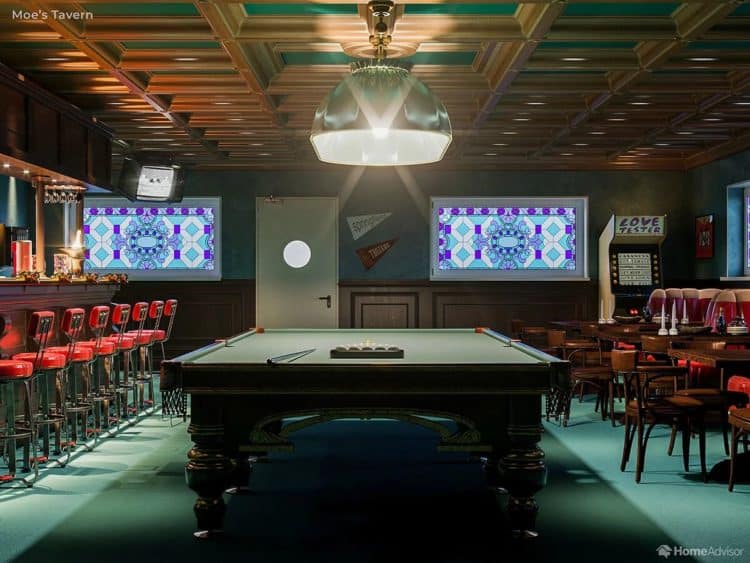
The town of Springfield itself would transform. The power plant, instead of being a menacing, smokestack-spewing behemoth, might be a quaint, slightly decaying art deco structure, with a subtly humming generator. Moe's Tavern would be a dimly lit, wood-paneled establishment, filled with patrons nursing carefully crafted cocktails, their faces illuminated by the glow of a single, vintage lamp. Moe himself would be a master of melancholic bar-talk.
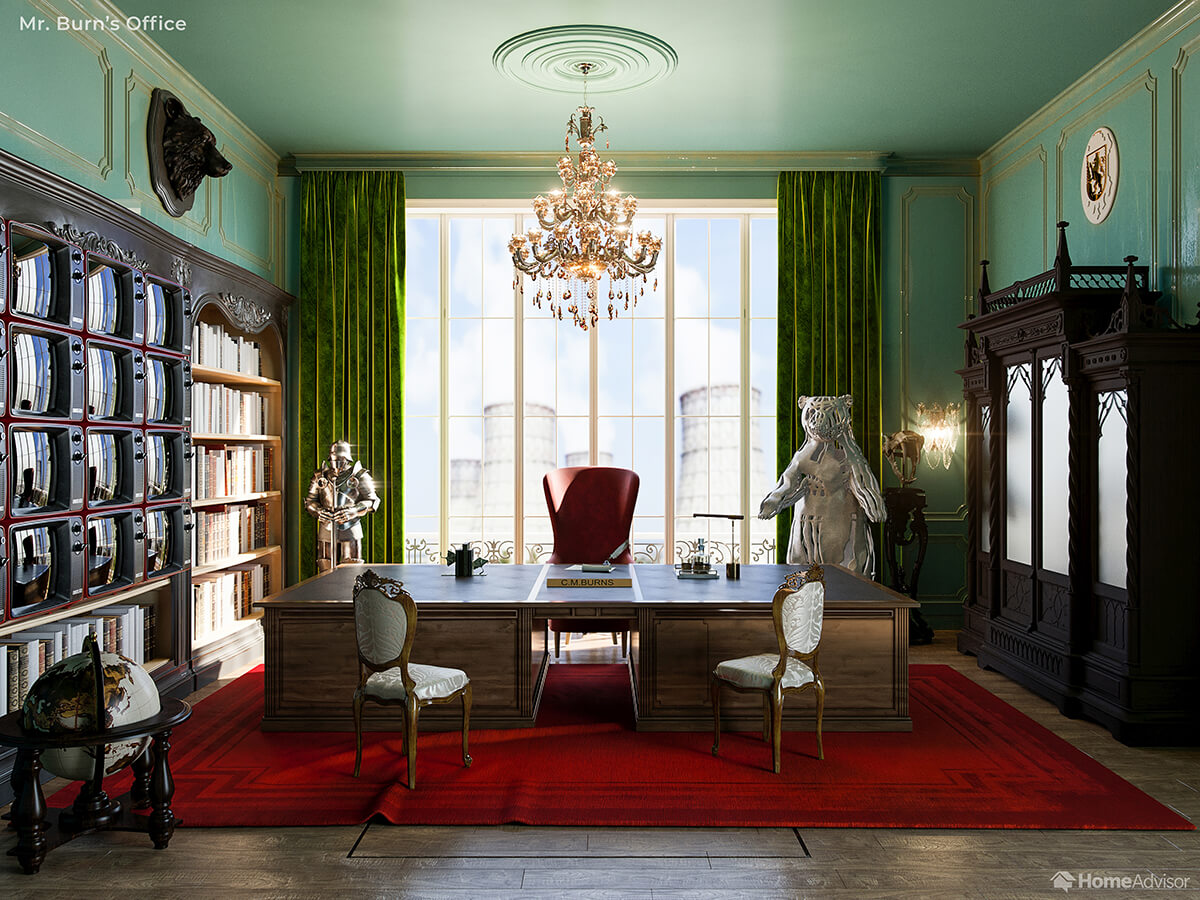
Even the supporting characters would get the Anderson treatment. Mr. Burns would be an ancient, dapper gentleman, residing in a sprawling, eccentric mansion filled with taxidermied animals and forgotten treasures. Smithers, his loyal assistant, would be impeccably dressed, his devotion bordering on tragic, always carrying a perfectly balanced tray of Earl Grey tea. Chief Wiggum would be a kindly, bumbling figure, his police car a charmingly retro vehicle, its siren a gentle, rather than alarming, wail.

The humor in this Wes Anderson Simpsons wouldn't be about slapstick or crude jokes. It would be dryer, more observational. It would come from the characters' deadpan delivery, their unexpected moments of profound insight, and the sheer absurdity of their meticulously crafted lives. You'd still laugh, but it would be a thoughtful, sometimes wistful kind of laughter.
Picture an episode. Perhaps Homer loses his job at the nuclear power plant (again). But instead of just complaining, he embarks on a grand, Quixotic quest to find a new career. He might try his hand at being a professional bowler, or a bespoke hat maker, or even a stamp collector. Each attempt would be documented with the same obsessive attention to detail that Wes Anderson brings to all his films.
The music would be crucial, of course. A soundtrack featuring obscure folk artists, whimsical orchestral pieces, and perhaps a few carefully chosen 60s pop gems. The opening credits would be a work of art in themselves, a symmetrical arrangement of character portraits and symbolic imagery, set to a jaunty, yet somehow poignant, tune.

This imaginary version of The Simpsons wouldn't just be funny. It would be beautiful. It would be heartfelt. It would make you think about family, about dreams, and about the inherent, often absurd, beauty of everyday life. It's the kind of show that would stay with you long after the credits roll, leaving you with a warm, fuzzy feeling, tinged with a touch of that signature Andersonian melancholy.
It's a delightful thought experiment, isn't it? A world where the most famous animated family is rendered with the visual poetry and emotional depth of a Wes Anderson masterpiece. You can almost see it, can't you? The perfectly framed shots, the symmetrical compositions, the characters in their perfectly tailored, pastel outfits. It's enough to make you wish it were real.