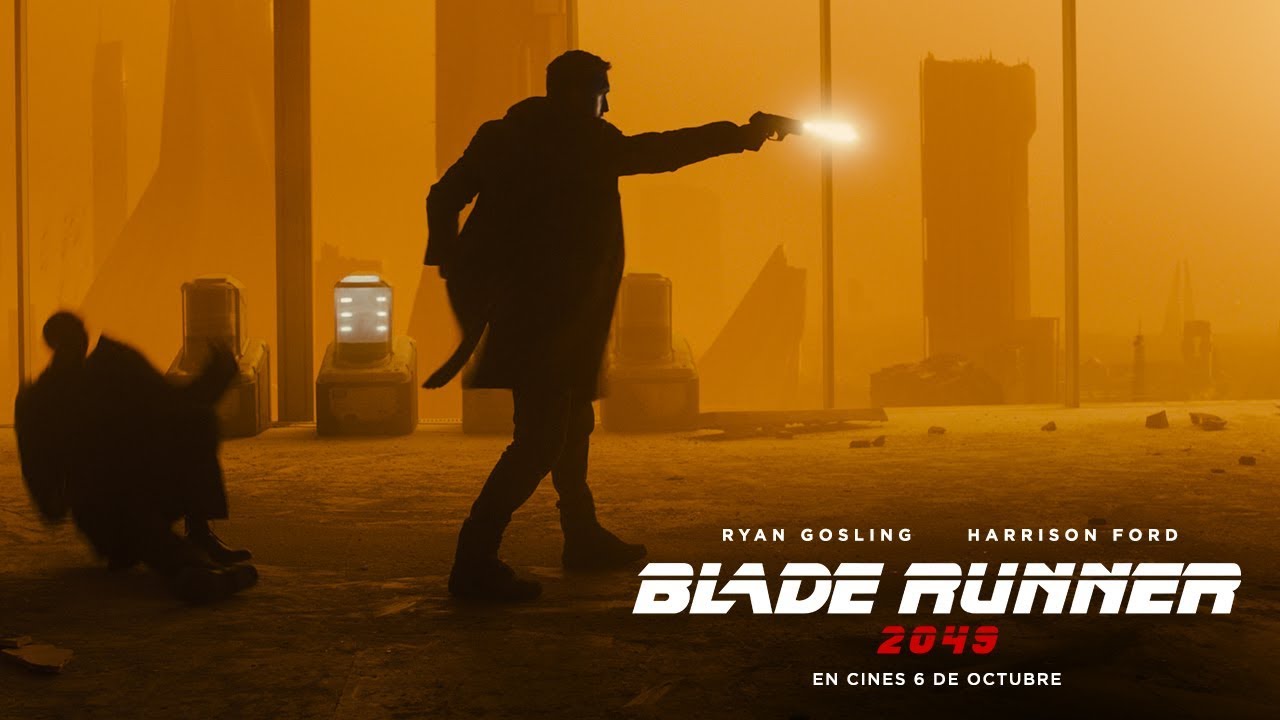
Imagine this: it's 1982. You've just seen the groundbreaking Blade Runner, a film that blew your mind with its gritty, neon-drenched future. Now, fast forward, but not too fast. What if, in that same year, a trailer for Blade Runner 2049 – a sequel that wouldn't even be conceived of for decades – suddenly dropped? The sheer temporal disorientation, the mind-bending paradox of it all, is what makes this thought experiment so incredibly fun! It's a fantastic way to appreciate how far filmmaking technology and storytelling have come, and to revisit the iconic world of Blade Runner with a fresh, anachronistic perspective.
The purpose of this little mental exercise is to highlight the incredible leaps in visual effects, sound design, and even trailer editing that have occurred since the early 80s. Think about the limitations of 1982 cinema and then picture them trying to process the hyper-realistic, almost painterly visuals of Denis Villeneuve's masterpiece. The benefits are twofold: it’s a delightful trip down memory lane for anyone who loves the original, and it offers a unique appreciation for the sheer artistry and technical prowess that went into creating Blade Runner 2049. We get to explore what those early moviegoers, steeped in the analog world of special effects and synth-heavy scores, might have thought of such a futuristic preview. It's like a cultural time capsule collision, and the results are bound to be fascinating!
The 1982 Reaction: A Digital Deluge?
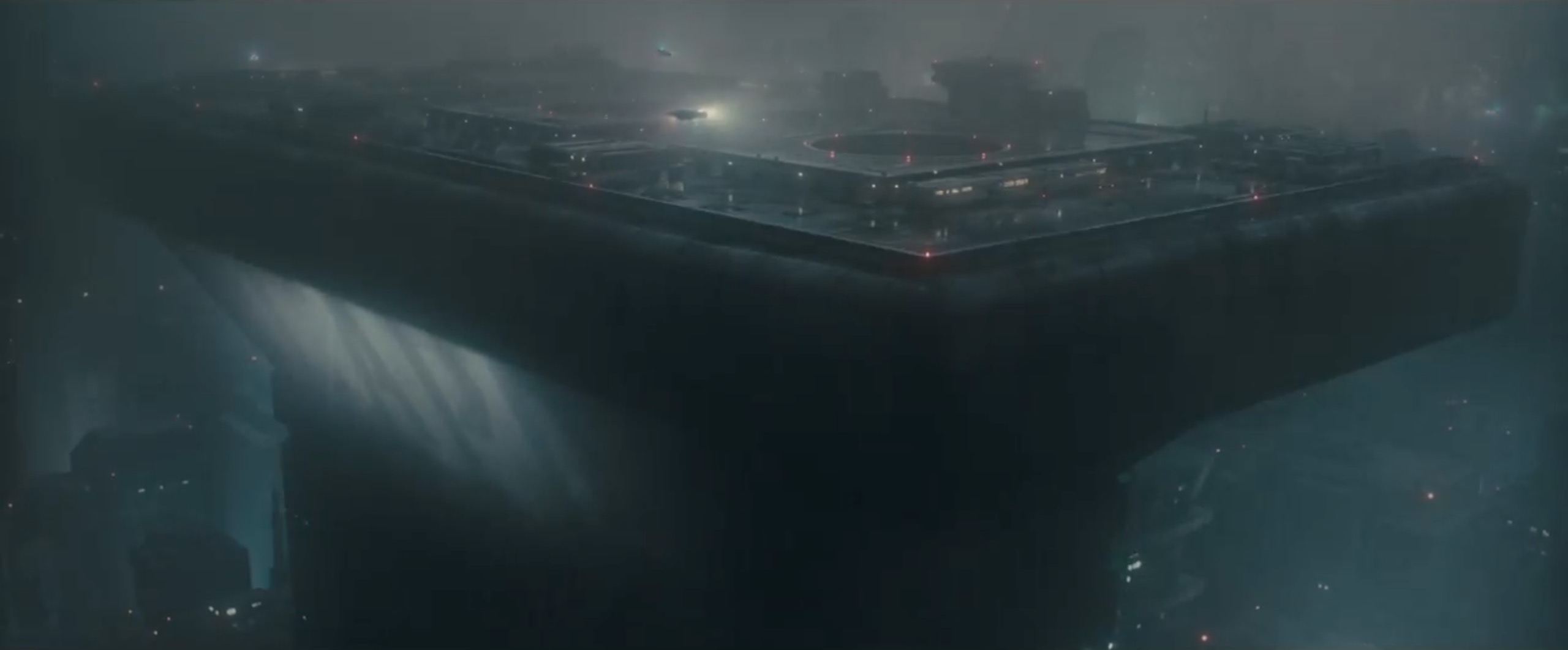
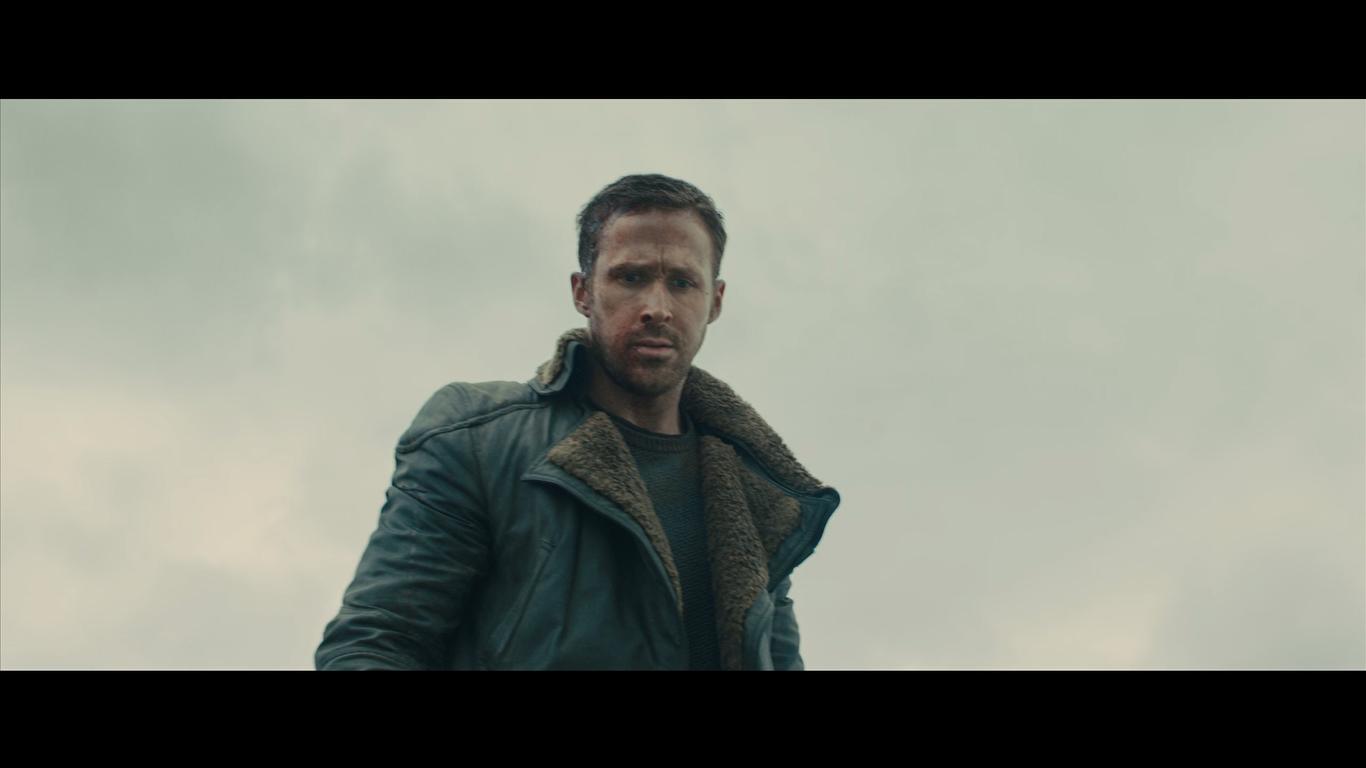
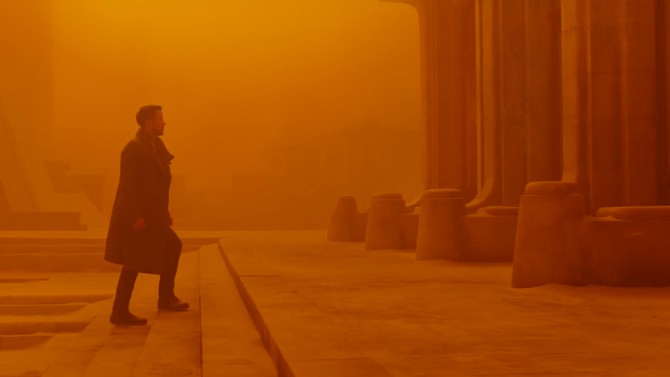
Let's get into the thick of it. Picture yourself in a packed cinema, the lights dimming for the next preview. The distinctive, haunting score of Blade Runner might still be echoing in your ears. Then, the screen flickers, and something entirely new appears. The first thing that would undoubtedly strike a 1982 audience is the sheer clarity and realism of the visuals. The original Blade Runner, while stunning for its time, had a certain atmospheric grain, a palpable sense of practical effects at work. The trailer for Blade Runner 2049, however, would likely be perceived as almost impossibly clean, hyper-detailed. The towering, brutalist architecture, the vast, desolate landscapes, the impossibly detailed synthetic skin of Officer K – it would feel like peering through a window into a genuinely believable future, not a meticulously crafted movie set.
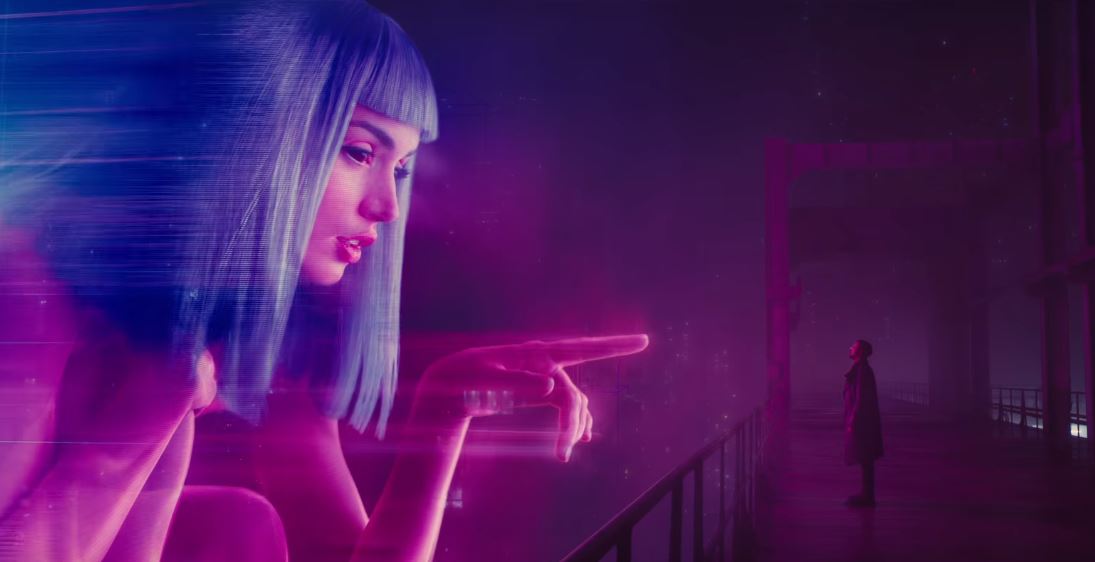
The visual effects, which are so seamless and integrated in 2049, would be a complete mystery. How did they make those flying cars look so real? The floating holographic advertisements, the subtle atmospheric haze – these would have been the stuff of science fiction dreams, bordering on impossible to achieve with 1982 technology. The original Blade Runner relied heavily on miniatures, matte paintings, and pioneering optical compositing. The sheer scale and fidelity of 2049’s world would have been utterly bewildering. They might have assumed it was some kind of advanced CGI, a technology that was still in its infancy, or perhaps even some never-before-seen form of advanced animation that defied their understanding of filmmaking.

Then there's the sound design. Vangelis’s iconic synth score for the original is etched into the cinematic consciousness. While 2049’s score, composed by Hans Zimmer and Benjamin Wallfisch, draws inspiration, it’s a vastly different beast. The deep, rumbling bass, the unsettling ambient drones, the sheer presence of the sound – it would have been overwhelming, a visceral assault on the senses that 1982 audio systems might have struggled to replicate. The subtle, almost organic sounds of the futuristic city, the distinct whir of replicant technology, the chilling silence of a snow-covered Las Vegas – it would all contribute to an immersive experience that was far beyond the auditory landscape of early 80s blockbusters.
"Is that a sequel? It looks... too real."
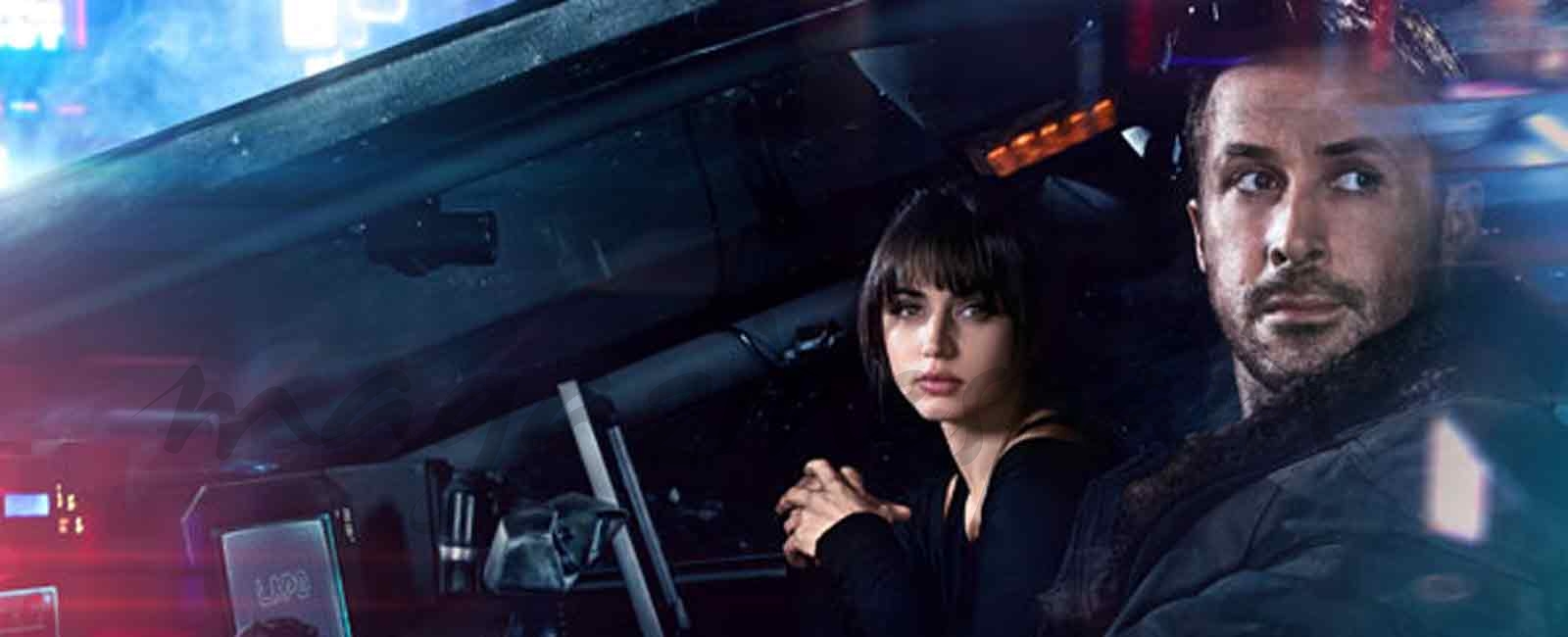
The trailer itself, with its carefully paced reveals and enigmatic dialogue, would also feel a generation ahead. 1980s trailers were often more straightforward, laying out the plot more explicitly. The cryptic nature of the Blade Runner 2049 trailer, hinting at a deeper mystery surrounding K’s identity and his search for Rick Deckard, would have left audiences scratching their heads, intrigued but also potentially confused. They'd be asking: "Who is this new guy? And where's Deckard? Is he even alive?" The focus on Ryan Gosling's character, the stoic Officer K, would be a departure from the more overtly charismatic leads of 80s sci-fi. His quiet intensity, his internal struggle, would be a subtler form of storytelling that might have taken some getting used to.
The Impact: A Glimpse of the Impossible
The trailer’s mere existence in 1982 would have been a cultural event in itself. Imagine the whispered conversations, the fan theories that would have sprung up despite the lack of the internet as we know it. Sci-fi magazines would be scrambling to decipher every frame. Critics would be debating the very possibility of such a film being made. It would represent not just a continuation of a beloved story, but a monumental leap in what was considered achievable in filmmaking. The trailer for Blade Runner 2049, dropped in 1982, would have been seen as a tantalizing, almost unbelievable glimpse into the future of cinema itself.
The themes of humanity, memory, and artificial intelligence, so central to both films, would have resonated with audiences familiar with the original's philosophical underpinnings. However, the expanded scope and the sheer visual spectacle of 2049 would have amplified these themes in ways that were unimaginable back then. The trailer would have been a beacon, a promise of a cinematic experience that pushed the boundaries of imagination, leaving audiences in 1982 in awe and eager for a future that felt both terrifying and exhilaratingly advanced.