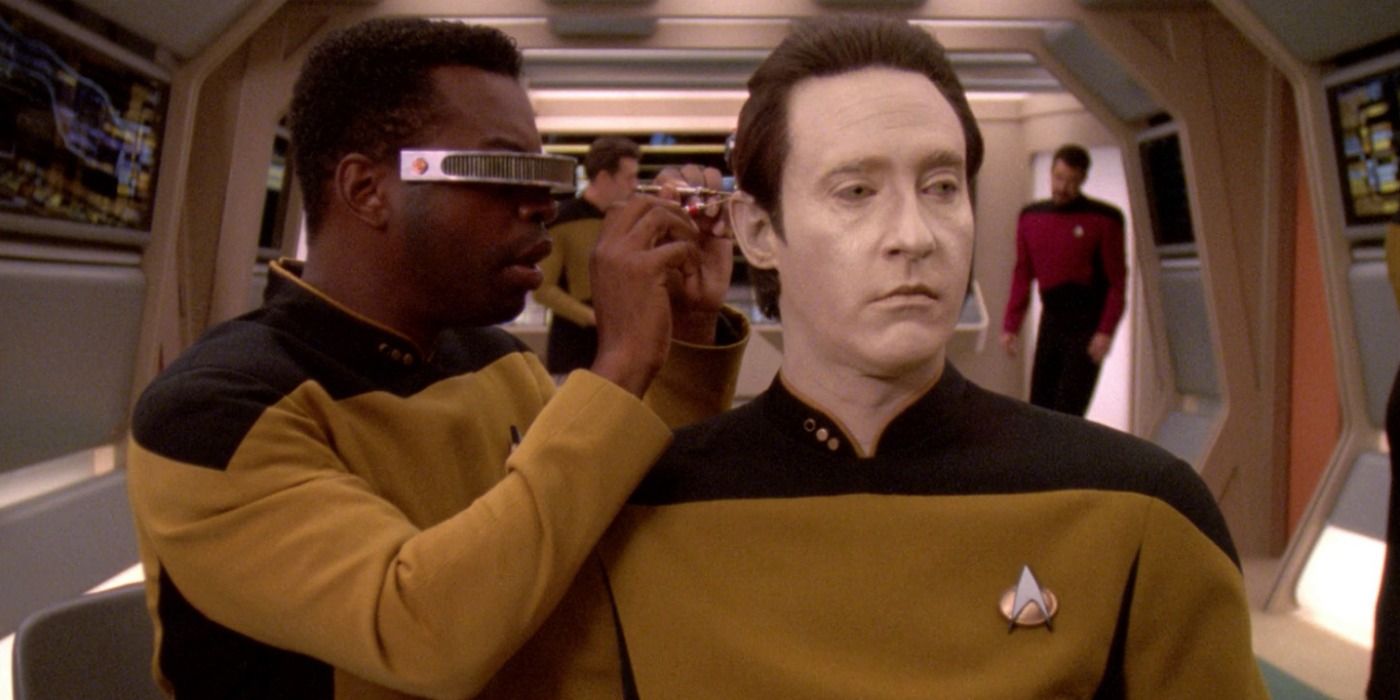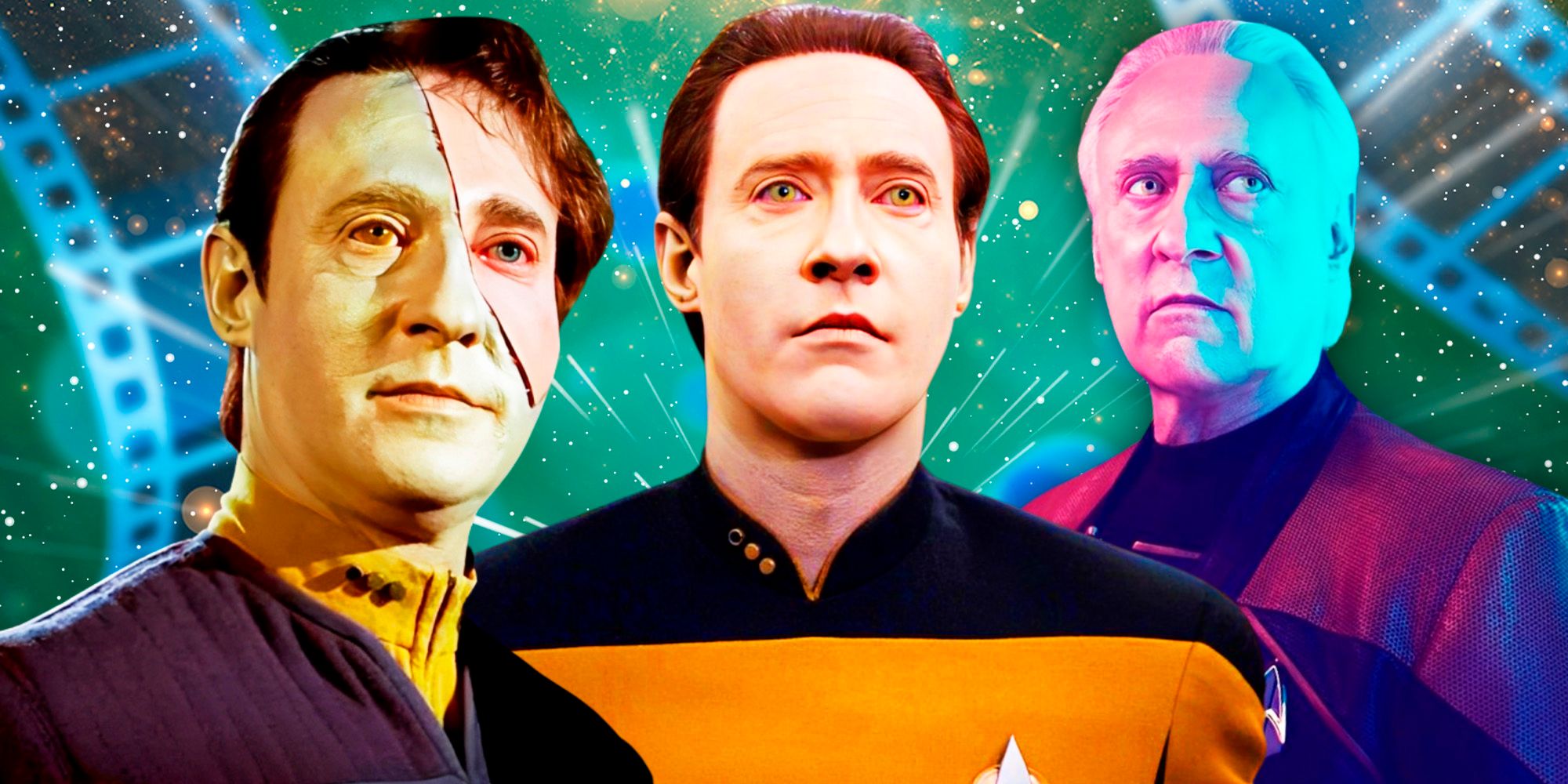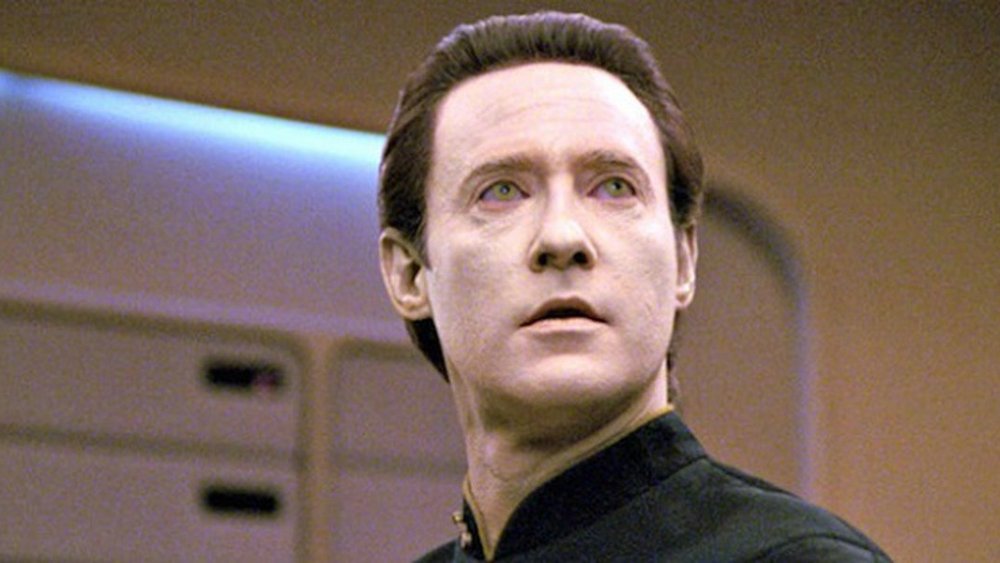
Okay, picture this: it’s the 1990s. The era of dial-up internet, questionable fashion choices (hello, baggy jeans and scrunchies!), and, of course, the golden age of sitcoms. We had Friends, Seinfeld, Frasier – all these shows that made us feel like we were just hanging out with our quirky neighbors. Now, what if I told you that Data, that lovable, logical android from Star Trek: The Next Generation, had his own little slice of 90s prime-time real estate?
Seriously, just imagine it. Data’s Dilemma or maybe Life, Uh, Finds a Way (for Robots). It would have been pure gold. Think about it. Data, bless his positronic brain, was always trying to understand humanity. He was like the ultimate outsider looking in, and isn't that the perfect recipe for comedic misunderstandings? He'd be the straight man, but in the most earnest, well-intentioned way possible. Like when you explain a really simple concept to someone, and they just… blink. But Data wouldn't blink. He’d just process it, catalog it, and then probably try to replicate it with disastrously funny results.
Imagine Data trying to navigate the mundane. He's got this incredible intellect, capable of calculating stellar trajectories in milliseconds, but then he’s faced with something like… trying to order a coffee. You know how sometimes you stand at the counter, and there are like fifty different kinds of lattes and cappuccinos, and you just want a regular coffee, but the barista is looking at you like you’ve spoken a foreign language? Data would be in a full-blown existential crisis. “Excuse me, purveyor of caffeinated beverages,” he might say, his voice perfectly modulated, “I require one unit of the roasted bean infusion, unsweetened, with a minimal addition of bovine lactation.” The poor barista would probably just hand him a cup of hot water.
The Neighbors, The Landlord, The Love Life (Or Lack Thereof)
Sitcoms are all about the supporting cast, right? Data wouldn't be living alone in some sterile, futuristic apartment. No, no. He'd be in a slightly run-down but charming brownstone in, say, Brooklyn. His landlord? A gruff but secretly soft-hearted Italian widow named Mrs. Scarpetti, who constantly tries to feed him pasta and insists he needs a good wife. “You’re too skinny, David!” she’d yell, even though he’s made of metal. “You need to eat more. And find a nice girl. Not one of these modern girls, no, no.”
Then there’s his neighbor, a perpetually stressed-out struggling artist named Chloe. She’d be the one who’s constantly borrowing sugar (or, in Data’s case, perhaps a rare earth element for her sculptures). Chloe would be the one trying to get Data to loosen up, to embrace spontaneity. “Come on, Data! Let’s go to a karaoke bar!” And Data would respond, “My vocalization parameters are optimized for a precise reproduction of pre-recorded sound. Spontaneous vocalization of popular music may result in suboptimal harmonic resonance.” Which, in sitcom terms, means he’d probably end up singing something operatic in perfect pitch while everyone else is butchering Bon Jovi.
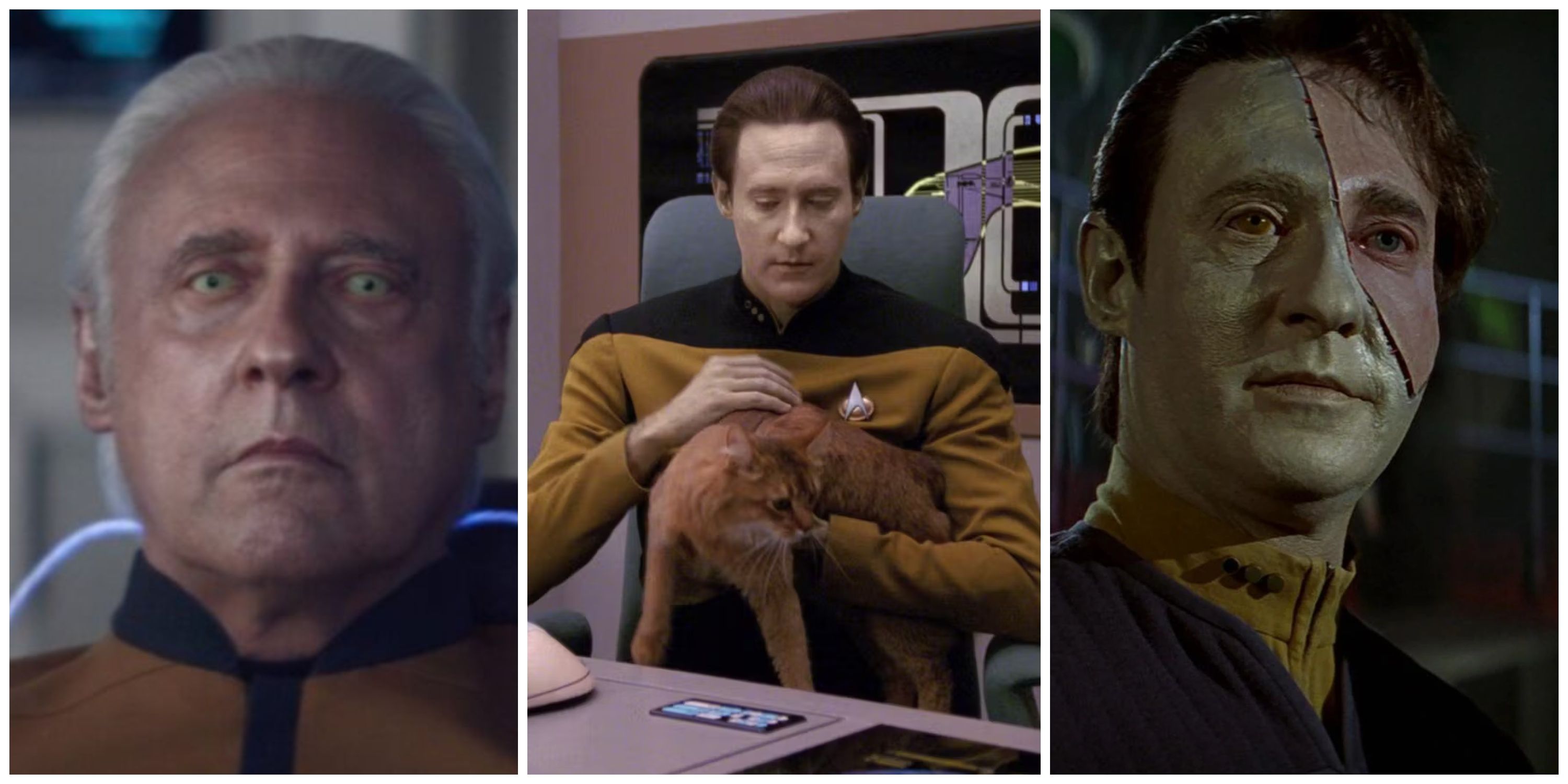
And the romantic entanglements! Oh, the comedic potential. Data’s attempts at dating would be legendary. He’d approach it like a scientific experiment. He’d read every self-help book, analyze every rom-com, and then try to implement his findings with zero emotional nuance. Imagine him on a date, meticulously checking off a mental list: “Smiling: check. Engaging in active listening: check. Complimenting attire: check. Is this… attraction? Data, initiate subroutine: romantic intuition.” The poor woman would be baffled. She might even think he’s a bot… oh, wait.
Why We'd All Tune In
But here's why we’d all be glued to our sets, why this hypothetical sitcom would resonate so deeply. Data, for all his logic, was fundamentally a character striving for understanding. He wanted to belong. And that’s something every single one of us can relate to. We’ve all felt like the odd one out, trying to decipher social cues, trying to figure out why people do the things they do.
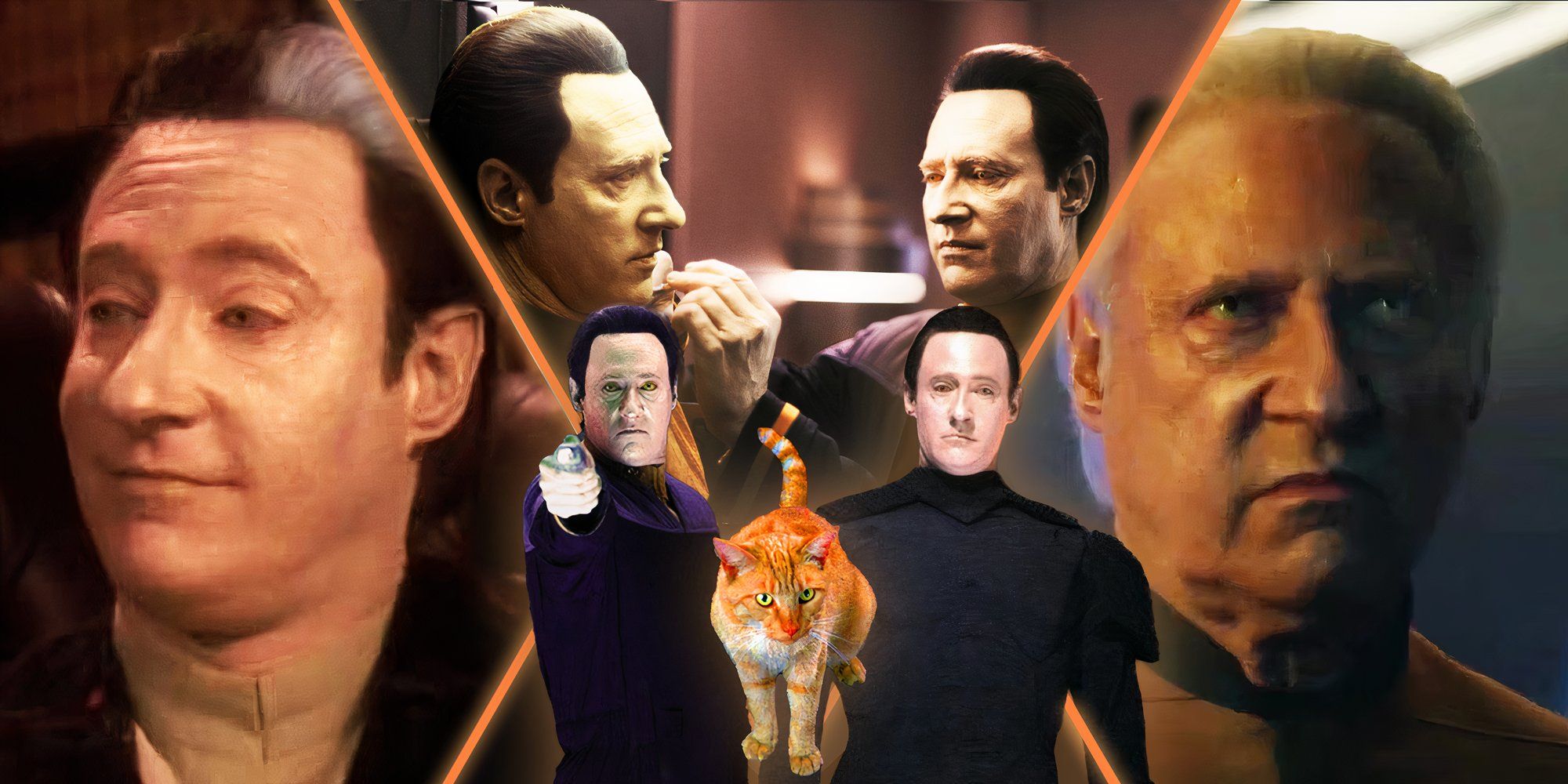
Think about the times you’ve tried to tell a joke and it just landed with a thud. Or when you've tried to be empathetic and accidentally said the wrong thing. Data would do that, but on an epic scale. His earnestness would be his superpower and his biggest hurdle. He’d be the ultimate embodiment of the phrase, “It’s the thought that counts.”
In a world that often feels chaotic and confusing, Data’s attempts to bring order and logic to the messy human experience would be incredibly comforting. He’d remind us that it’s okay to be a little bit awkward, a little bit different. He’d show us that even when we don't quite understand things, we can still try, we can still learn, and we can still find humor in our missteps.
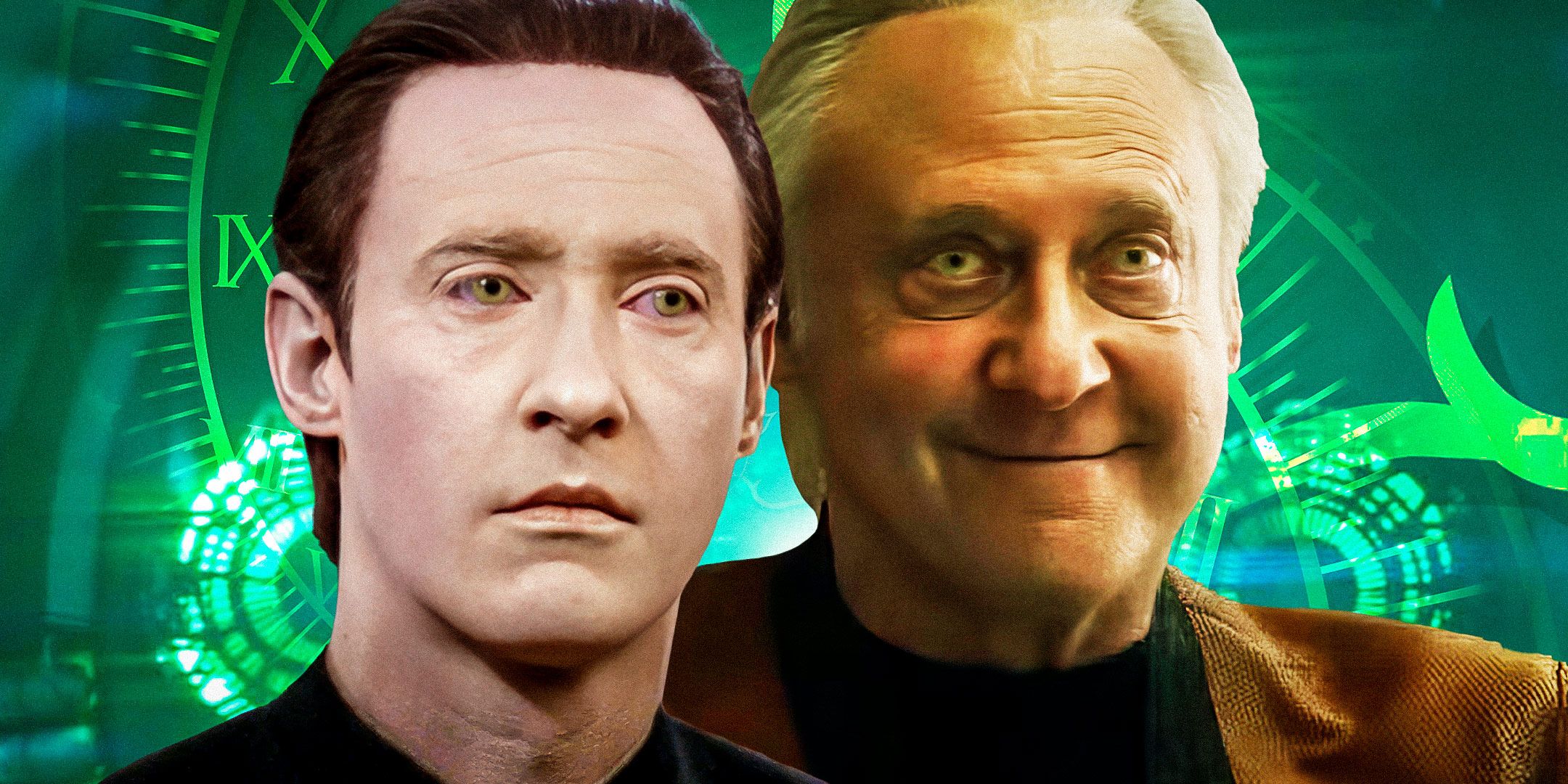
Plus, let’s be honest, a 90s sitcom starring an android trying to understand why people wear fanny packs or obsess over Beanie Babies? That’s the kind of high-concept, low-stakes humor that would have been perfect for winding down after a long day. He’d be the calm in the storm of 90s pop culture, a beacon of data-driven silliness.
The Big Takeaway
So, why should you care about a fictional sitcom that never existed? Because it speaks to something deeper. It speaks to the universal desire to connect, to understand, and to find our place in the world. Data, the android who so desperately wanted to be human, would have been the perfect sitcom protagonist to teach us all a little something about ourselves, all while making us laugh until our sides hurt. And in the grand, illogical tapestry of life, isn't that what we’re all really looking for?