Hey there! Ever wonder how that juicy tomato or that fluffy loaf of bread gets to your plate? It’s a pretty amazing journey, isn't it? Well, behind every bite is a farmer, and lately, there’s a really cool movement gaining steam that’s all about making that journey a little gentler on our planet. It’s called climate-friendly farming, and honestly, it’s not as complicated or scary as it might sound.
Think about it this way: we all try to do our bit, right? We recycle our plastics, maybe we walk or bike when we can, or we try to use less energy at home. Climate-friendly farming is kind of the same thing, but for the fields and pastures where our food grows. It’s about farmers making choices that help reduce greenhouse gas emissions and also help their farms bounce back when the weather gets a bit wacky, which, let’s face it, seems to be happening more often.
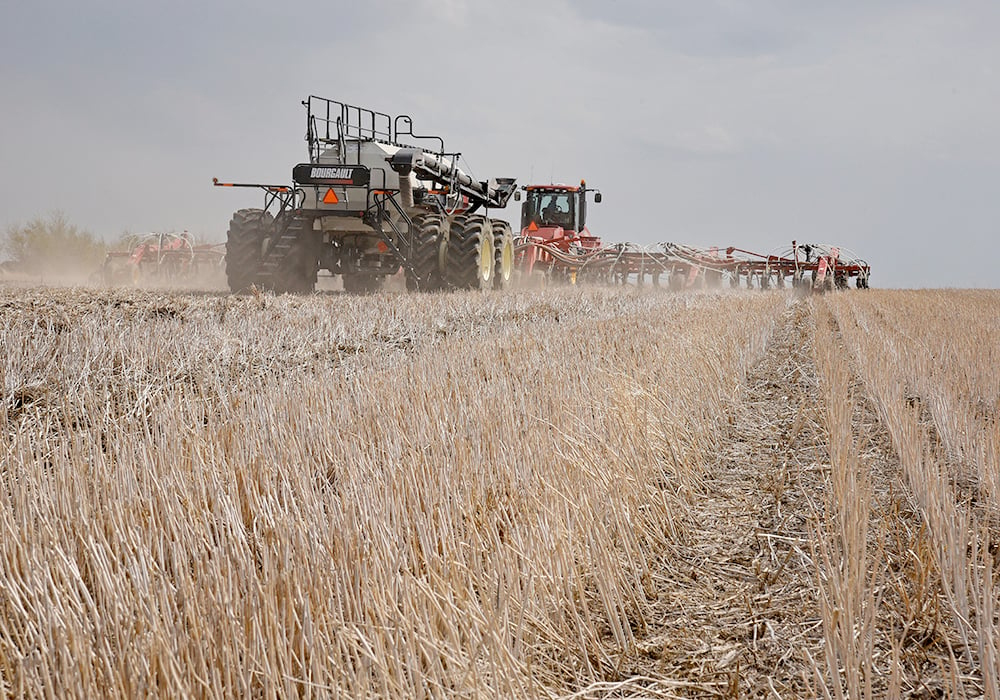
So, what does this actually look like? Imagine a farmer like Sarah, who has a small organic farm down the road. Instead of tilling her soil really deeply every year – which can release a lot of carbon into the air, kind of like letting a big puff of smoke out – she’s trying out no-till farming. This means she plants her seeds directly into the ground, disturbing the soil as little as possible. It’s like giving the earth a nice, cozy blanket instead of constantly digging it up. This helps keep more carbon locked away underground, which is a win-win for Sarah and for the planet!
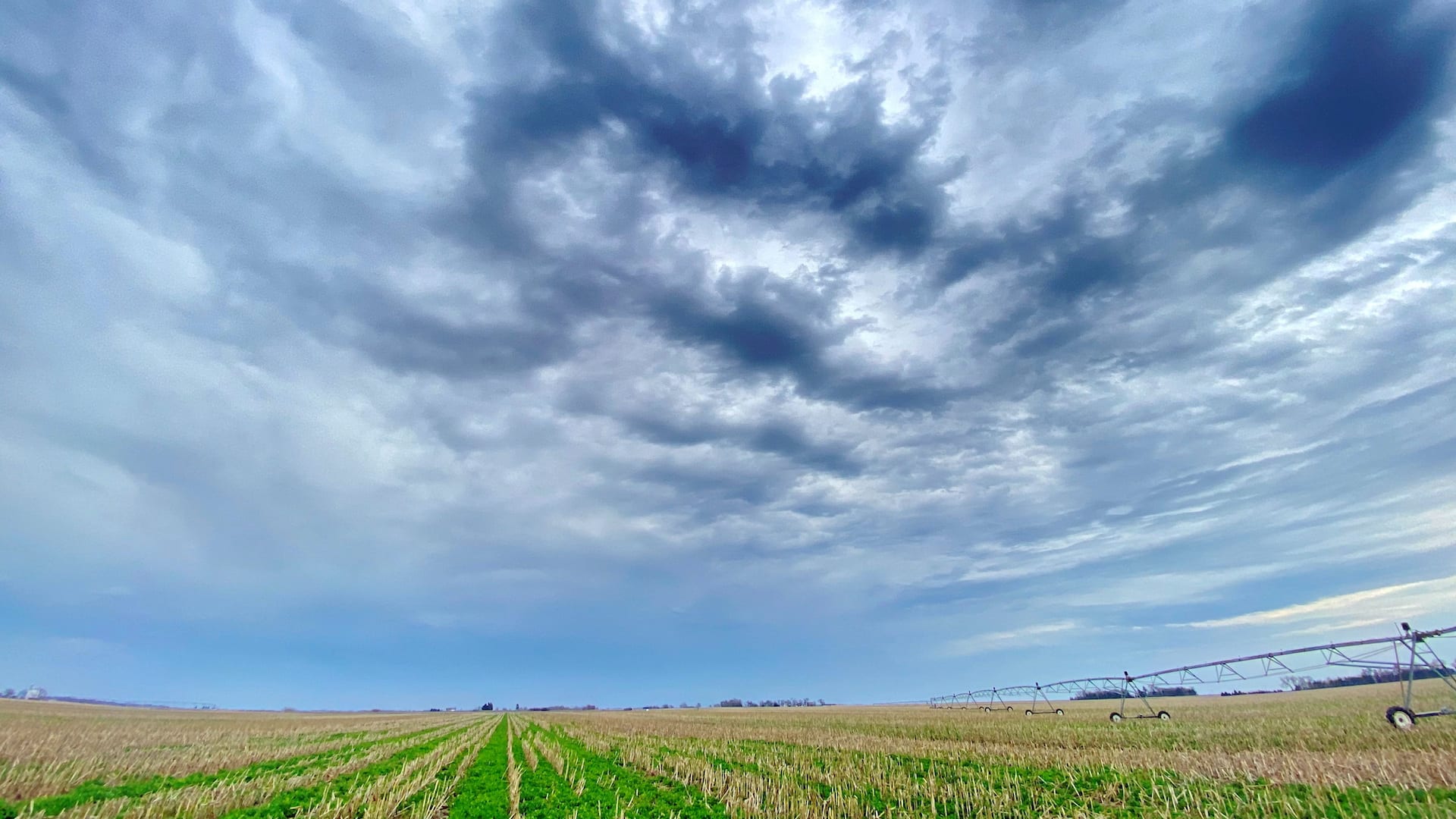
Another neat trick is something called cover cropping. This is when farmers plant special crops, like clover or rye, not for harvesting, but just to cover the soil between their main crops. Think of it as planting a natural mulch. These little plant buddies not only prevent soil erosion (so we don’t have dirt washing away in heavy rains) but they also add nutrients back into the soil, meaning farmers might need less synthetic fertilizer. And guess what? Making those fertilizers can be pretty energy-intensive, so using less is a big deal for our climate.
We’ve all seen those sprawling fields, right? Sometimes, farming can involve a lot of monoculture – growing just one type of crop across a huge area. It’s like having a wardrobe with only one color of shirt. While it can be efficient, it’s not always the healthiest for the environment. Climate-friendly farmers are looking at crop rotation and intercropping. Crop rotation is basically switching up what you plant in a field each year. So, after a season of corn, you might plant beans, then wheat. It breaks up pest cycles and helps keep the soil healthy. Intercropping is even cooler – it’s planting two or more crops together in the same field. Imagine a farmer planting basil between rows of tomatoes. They might attract beneficial insects, outcompete weeds, and even improve the flavor of both!
And what about our animal friends? If you’ve ever driven past a farm and seen cows grazing in a pasture, you know they’re a big part of the picture. When managed well, grazing can actually be really good for the environment. Rotational grazing, for example, involves moving animals from one pasture to another regularly. This gives the grass time to regrow, helps distribute manure more evenly (which acts as a natural fertilizer!), and can even improve soil health. It's like giving your lawn a break so it can grow back even greener and lusher. Happy cows, happy soil, happy planet – it’s a beautiful cycle!
Now, you might be thinking, "This sounds great, but why should I care?" Well, it boils down to a few simple things that affect all of us. First, our food security. When farms are more resilient to things like droughts, floods, and extreme heat – which climate change makes more likely – they’re better able to produce the food we rely on, year after year. It means less chance of those frustrating shortages that can send prices soaring.

Secondly, it’s about cleaner air and water. Practices that reduce fertilizer use and keep soil healthy mean less fertilizer runoff into our rivers and lakes. Less soil erosion means fewer particles clouding our waterways. And as we mentioned, keeping carbon locked in the soil is a big step towards cleaner air. It’s like everyone doing their part to keep our shared home tidy and healthy.
And let’s not forget about biodiversity. Think of the little buzzy bees, the colorful butterflies, and all sorts of other fascinating creatures that call our farmlands home. When farmers use fewer harsh chemicals and create more diverse habitats – like planting hedgerows or wildflower strips – they’re creating safe havens for these essential critters. More pollinators mean more fruits and vegetables for us, and a more vibrant natural world for everyone to enjoy. It’s like giving nature a little extra love, and nature often gives it right back!

It's also about the farmers themselves. Many of them are deeply connected to the land, and they’re seeing the changes happening firsthand. They want to pass on healthy, productive farms to their children and grandchildren. Supporting climate-friendly farming is supporting these dedicated individuals who are working hard to feed us and protect our environment.
So, how can you be a part of this? It’s easier than you think! When you shop, try to look for food from local farmers or those who emphasize sustainable practices. Farmers’ markets are fantastic places to chat with growers and learn about what they’re doing. Even a simple choice, like opting for organic produce when you can, or choosing brands that are transparent about their farming methods, sends a message. It tells farmers that you care about how your food is produced.
Think of it as a collective effort. Just like a community coming together to clean up a park, when we support climate-friendly farming, we’re all contributing to a healthier planet. It’s not about perfection, it’s about progress. Every little step, every informed choice, makes a difference. And honestly, knowing that your delicious meal also helped a farmer build healthier soil or protect a local stream? That’s a pretty satisfying feeling, isn’t it? It’s about savoring your food and savoring the future, all at the same time.